

Towing a vehicle over long distances can be a complex task that requires careful preparation and understanding of various factors related to both the towing vehicle and the one being towed. Whether you’re moving across the country or transporting your car for a vacation, proper preparation ensures safety and efficiency. In this article, we will cover essential aspects of preparing your car for long-distance towing, including vehicle inspection, equipment requirements, and final preparations before hitting the road.
Understanding the Basics of Long-Distance Towing
Long-distance towing entails transporting a vehicle for a significant distance, often over hundreds or even thousands of miles. The process requires thorough planning to ensure that both the towing vehicle and the towed vehicle operate safely throughout the journey. Understanding the fundamental aspects of towing is crucial to avoid potential hazards on the road.
Before embarking on a long-distance trip with a towed vehicle, it’s important to recognize the unique challenges involved. These can include varied terrain, changing weather conditions, and the inherent differences in weight distribution between the two vehicles. For a safe journey, a comprehensive understanding of these factors is essential.
The Importance of Proper Preparation
Proper preparation sets the foundation for a stress-free towing experience. Neglecting certain aspects can lead to mechanical failures, accidents, and costly repairs. Therefore, before you start your journey, take the time to meticulously prepare both vehicles involved in the towing process.
One of the most critical preparation steps is to ensure that your towing vehicle has the necessary power and capability to handle the additional weight. This involves more than just confirming that the tow hitch is attached; the entire towing setup must be robust and able to withstand the demands of long-distance travel. Additionally, checking tire pressure and tread on both vehicles is essential, as under-inflated or worn tires can lead to blowouts, especially when navigating highways or steep inclines.
Key Terms and Concepts in Towing
When it comes to towing, familiarizing yourself with specific terminology can help in understanding the requirements and responsibilities involved. Terms such as Gross Trailer Weight (GTW), Tongue Weight (TW), and Payload Capacity play critical roles in ensuring that your setup is safe and compliant with legal requirements.
Additionally, understanding the differences between a flat tow and a trailer tow can be beneficial. Each method has its set of requirements and implications for the vehicle being towed, which can impact your preparation process. The more knowledge you have, the more equipped you will be to handle any situation that may arise during the journey. For instance, flat towing often requires additional modifications to the towed vehicle, such as a tow bar and safety chains, while trailer towing may necessitate a trailer brake controller and proper weight distribution hitches to ensure stability and control.
Moreover, being aware of the legal regulations regarding towing in different states can save you from potential fines or complications. Each state may have specific laws regarding towing speeds, required safety equipment, and weight limits, making it crucial to research these regulations ahead of time. This knowledge not only enhances your safety but also ensures a smoother experience as you traverse various jurisdictions during your long-distance journey.
Assessing Your Vehicle’s Towing Capacity
Before proceeding with preparations, it is essential to know the towing capacity of your vehicle. This information is typically available in the owner’s manual or from the manufacturer. Exceeding the towing capacity can lead to severe mechanical issues and safety concerns.
Understanding your vehicle’s towing capacity involves several factors, including its engine power, transmission capability, and chassis strength. Failing to understand these limitations could lead to accidents or component failures during your trip. Therefore, knowing the specifics of your vehicle is crucial.
How to Determine Your Car’s Towing Limit
To accurately determine your car’s towing limit, consult the owner’s manual. This document will provide the manufacturer’s recommended towing capacities based on vehicle model and engine type. If the manual is unavailable, contacting your vehicle dealer or checking online resources can provide the necessary information.
Additionally, consider the additional load that may come from passengers or cargo inside the towing vehicle, as this will affect the overall towing capacity. Make sure to account for all weight variations before finalizing your towing plans.
The Role of Vehicle Weight in Towing
Weight distribution is a critical component of safe towing. It’s not just about how much your towing vehicle can handle; it’s about ensuring that the weight is balanced correctly. An unbalanced load can lead to swaying, instability, and even loss of control.
When planning for towing, remember to consider the weight of the vehicle being towed, as well as any additional items you might be carrying. Properly distributing weight across both vehicles can significantly enhance safety during your trip.
Pre-Towing Vehicle Inspection
Prior to departing, conducting a thorough inspection of your vehicles is imperative. This inspection should occur well before the day you intend to tow, allowing enough time to address any issues that may arise during the assessment.
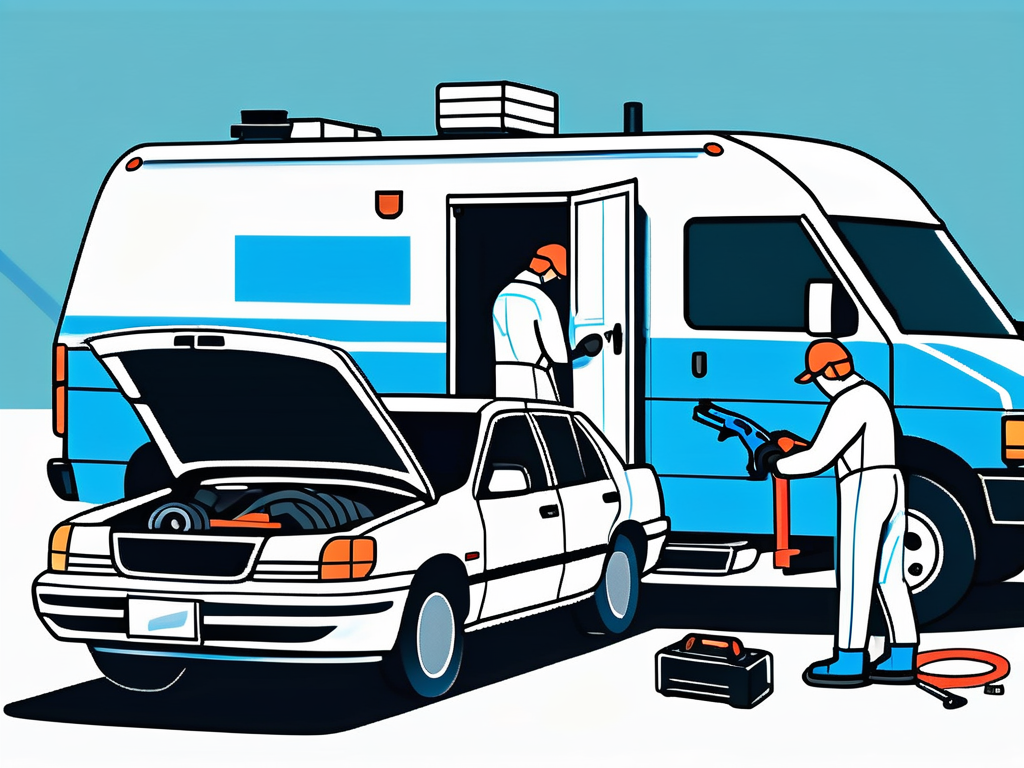
The pre-towing vehicle inspection should cover all functions and systems, focusing particularly on components that are critical for safe towing. By performing this inspection, you can avoid issues that could disrupt your journey and cause safety hazards.
Checking Your Car’s Tires and Brakes
Tires and brakes are two fundamental aspects of any vehicle that require special attention before towing. Check the tread depth and overall condition of the tires to ensure they are suitable for long-distance travel. Under-inflated or worn tires can lead to blowouts, especially when pulling a heavy load.
Brake functionality is equally important; ensure that your towing vehicle’s brakes are in excellent condition. Inspect brake pads, rotors, and fluid levels. Additionally, consider installing an electric brake controller for better braking response during towing.
Inspecting the Engine and Transmission
Also pivotal to vehicle safety is the engine and transmission. Given that towing puts significant strain on these components, making sure they are in optimal condition is essential. Check coolant levels, engine oil, and transmission fluid to ensure proper functioning.
Consider scheduling a comprehensive maintenance check with a professional mechanic if you are uncertain about any components. This proactive step can provide peace of mind knowing that your vehicle is ready for the rigors of long-distance towing.
Essential Towing Equipment
Having the right equipment is vital for a safe and efficient towing experience. This equipment not only includes the tow hitch but also safety devices that guard against accidents and mishaps.
Choosing the correct equipment often involves understanding your vehicle’s specifications and matching them with compatible tools. Using substandard or incompatible equipment can compromise safety and lead to adverse outcomes while on the road.
Choosing the Right Tow Hitch
When selecting a tow hitch, it’s important to consider the weight and type of the vehicle you’ll be towing. Various types of tow hitches are available, each designed for specific capacities and towing methods. Consult your vehicle’s specifications to identify the appropriate hitch for your needs.
Make sure to securely attach the tow hitch before departure. A loose or improperly fastened hitch can result in catastrophic failure while driving, creating hazardous situations for you and others on the road.
Safety Chains and Their Importance
Safety chains are a critical component of your towing setup that serves as a backup connection between the vehicles. In the event of a hitch failure, safety chains can prevent the towed vehicle from detaching completely from the towing vehicle. Always use safety chains that are rated for the weight of the towed vehicle, and make sure they are properly crossed and secured.
Lastly, regularly inspect your safety chains for signs of wear and tear. Like any other piece of towing equipment, they should be in top condition before you set out on your journey.
Preparing Your Car for the Journey
Once you have completed inspections and gathered your equipment, preparing your car for the journey is the final step. This process ensures everything is in place before you hit the road.
A successful journey begins with a strategic approach to packing and organizing the vehicles involved. Ensure that all loose items are secured and that any additional cargo in the towing vehicle is evenly distributed to maintain balance.
Securing Your Car for Towing
When securing your car for towing, use appropriate towing straps, ratchet straps, or wheel chocks as necessary. Make sure all connections are tight and double-check each attachment point. This method not only prevents any unnecessary movement but also safeguards against potential accidents.
By ensuring that everything is secure, you will not only enhance your vehicle’s stability but also boost your confidence during the journey ahead. After all, peace of mind while driving makes for a much more enjoyable experience.
Final Checks Before Hitting the Road
Before you begin your journey, conduct a final review of your setup. This should include another look at the connections, brakes, and tires. Furthermore, check to see if the lights on both the towing vehicle and the towed vehicle are functioning correctly to avoid accidents.
Finally, ensure that you have all necessary documents and emergency equipment on hand, such as first aid kits and tools for roadside assistance. With all these elements in place, you are now well-prepared for your long-distance towing journey, ensuring a safe and efficient travel experience.
Ready to embark on your long-distance towing journey with confidence? Let Long Distance Towing take the wheel. As a premier nationwide auto transport company, we specialize in shipping cars and motorcycles safely across the country. Our full-service transportation means we pick up your vehicle at its origin and deliver it with the utmost care to your destination. Whether it’s a classic car or a project waiting for restoration, our network of over 10,000 reliable carriers is dedicated to providing top-notch across country car towing services. Don’t let distance be a deterrent—whether you’re 50 or 3,000 miles from home, we’ve got you covered. Get A Quote Today and experience the peace of mind that comes with expert long-distance towing.