

Long-distance car towing is a vital service that enables vehicles to be transported over significant distances, typically when they are out of commission or need to be moved for various reasons. Understanding how this process works can save you time, money, and stress during critical times. In this article, we will explore the intricacies of long-distance car towing, from the basic concepts to the methods involved and practical considerations.
Understanding the Basics of Long-Distance Car Towing
Long-distance car towing is not simply about pulling a vehicle from one place to another; it entails a coordinated process that ensures safety and efficiency. Several crucial elements influence the effectiveness of the towing job, including equipment, vehicle conditions, and regulations. It’s essential for both the vehicle owner and the towing service to have a clear understanding of these fundamentals.
The Importance of Long-Distance Car Towing
The significance of long-distance car towing cannot be overstated. Whether a vehicle has broken down due to mechanical failure or requires transport to a new location after a purchase, professional towing ensures that the vehicle is moved safely and securely. This service is especially crucial in emergency situations where quick action is paramount.
Additionally, it plays a role in the automotive industry, facilitating the movement of cars to different dealerships, service stations, or for auction. The efficiency of long-distance towing contributes to the overall functionality of transportation networks. In many cases, it can also help in reducing the risk of accidents on the road, as stranded vehicles can pose a hazard to other drivers. By promptly removing these vehicles, towing services not only assist the vehicle owner but also enhance road safety for everyone.
Key Components Involved in Car Towing
Several components are integral to effective long-distance car towing. The most apparent is the tow truck, which is designed specifically to lift and transport vehicles safely. A flatbed truck, for example, provides a stable platform for carrying cars without the risk of damage.
Other components include secure towing equipment such as straps, chains, and dollies, which ensure that the vehicle remains securely attached throughout the journey. Lastly, the experience and training of the towing personnel are vital, as they must be skilled in handling both the equipment and the vehicles being towed. Furthermore, understanding the specific needs of different types of vehicles—such as sedans, SUVs, and trucks—can significantly impact the success of the towing operation. Each vehicle type may require specialized equipment or techniques to ensure safe transport, highlighting the need for a towing service that is well-versed in various towing scenarios.
Preparing Your Car for Long-Distance Towing
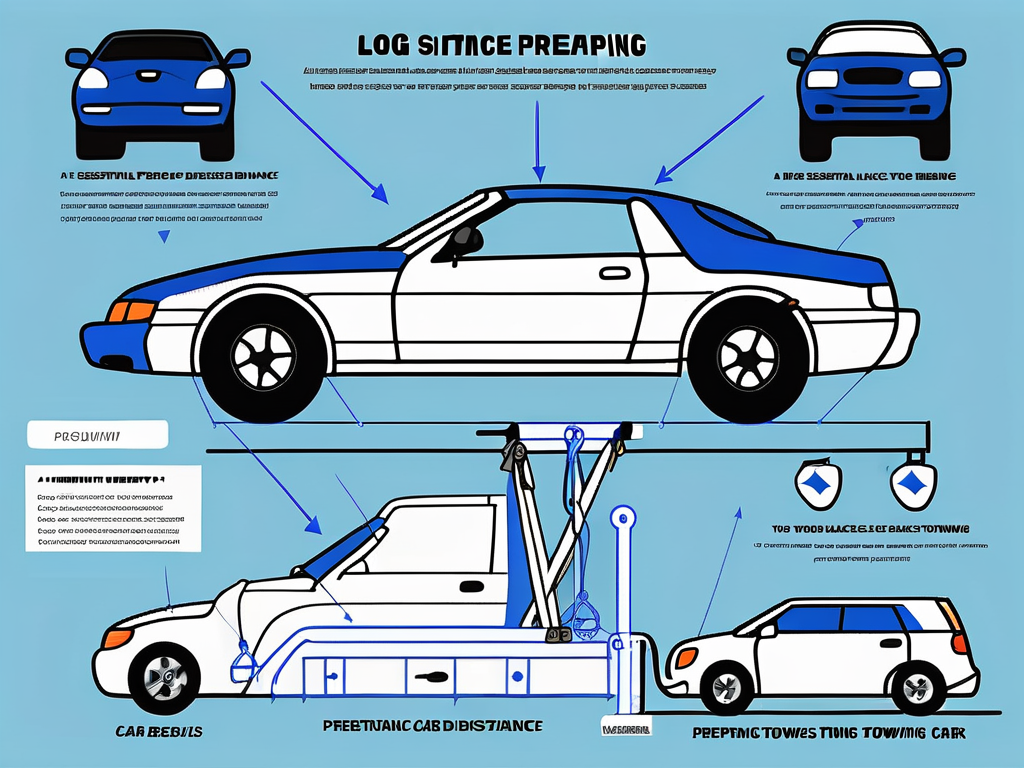
Before towing a vehicle over considerable distances, preparation is critical. Effective preparation can minimize risks and ensure a smoother towing process. Vehicle owners should take into account several key factors when getting their car ready for towing.
Safety Checks Before Towing
Conducting safety checks is one of the primary steps in preparing a vehicle for towing. This includes examining the tire pressure, ensuring that the battery is in good condition, and checking fluid levels. If the vehicle has any known mechanical issues, addressing them prior to towing can prevent complications.
Additionally, confirming that all loose items or valuables are either secured inside the vehicle or removed can prevent damage during transit. Thoroughly inspecting the vehicle will not only aid the towing company but also provide peace of mind for the owner. It’s also advisable to check the towing equipment itself, including the hitch and safety chains, to ensure they are properly secured and in good working order. A well-maintained towing setup is essential for safe transport, as it minimizes the risk of accidents on the road.
Necessary Documentation for Car Towing
Having the necessary documentation in order is crucial for a smooth towing experience. Vehicle owners should be prepared to show proof of ownership, such as a title or registration. If the car is being towed for business reasons, contractual documentation may also be required. Some states including Georgia may have specific regulations regarding tow permits and liability, so it is best to check local laws before scheduling towing services.
Ultimately, being organized can streamline the process and reduce the likelihood of any legal or logistical issues that may arise during towing. It is also wise to keep a copy of the towing company’s contact information and any agreements in a readily accessible location. This can be particularly helpful in case of any disputes or if further communication is necessary during the towing process. Additionally, consider documenting the vehicle’s condition with photographs before it is towed; this can serve as a useful reference should any damage occur during transport, ensuring that both parties are clear about the vehicle’s pre-tow state.
The Step-by-Step Process of Long-Distance Car Towing
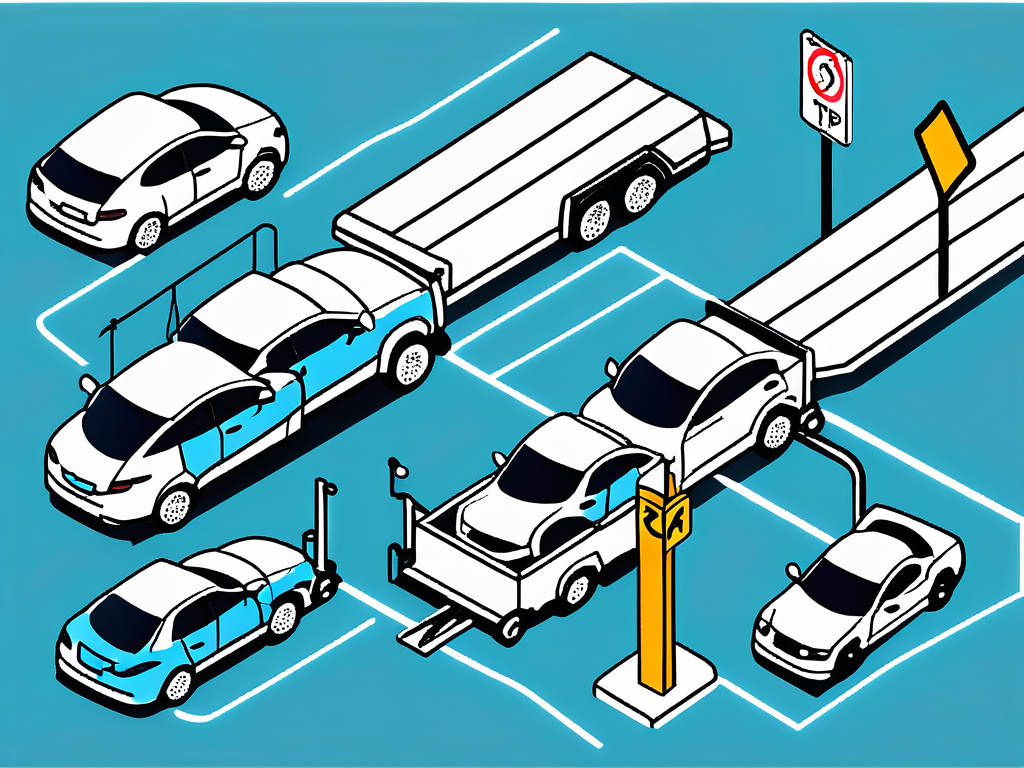
The long-distance car towing process involves several steps that help ensure efficiency and safety from the initial call for service to the final delivery of the vehicle.
Initial Steps in Car Towing
The process begins with the vehicle owner contacting a towing company to request assistance. During this call, they should provide relevant details such as the vehicle’s make and model, its current location, and the destination for towing. The towing company will offer an estimate and discuss available options.
Upon dispatch, the towing service will send out a truck equipped to handle the type of vehicle being towed. This initial phase is crucial for setting the stage for a successful towing operation.
The Towing Process
Once the tow truck arrives, the professionals will begin by safely securing the vehicle. Depending on the type of towing method chosen, they will make use of the appropriate equipment. For instance, in flatbed towing, the vehicle will be driven onto the platform and secured with straps or chains.
As the vehicle is being transported, the driver will monitor its stability and ensure that it is secure throughout the journey. Communication between the towing personnel and the vehicle owner might occur periodically to provide updates on the vehicle’s status and estimated arrival time.
Post-Towing Considerations
Once the vehicle reaches its destination, the towing crew will carefully unload it, ensuring that it remains damage-free. The vehicle owner should inspect the car immediately upon arrival, checking to ensure that no harm came to it during transit.
After the successful towing, it is also advisable to consider follow-up steps, such as contacting repair services if the vehicle was towed due to a malfunction, or ensuring that any required paperwork is finalized for ownership transfer, if applicable.
Different Methods of Long-Distance Car Towing
Understanding the various methods of long-distance car towing is essential for making informed choices. Each method has its advantages and caters to different needs, so it’s important to recognize which method is best suited for a specific situation.
Flatbed Towing
Flatbed towing is one of the most common and safest methods of transporting vehicles over long distances. In this approach, the vehicle is loaded onto a flatbed truck, which provides complete support and prevents damage that might occur from dragging or lifting the vehicle. This method is particularly useful for luxury cars, motorcycles, and other vehicles that are prone to damage.
Two-Wheel Towing
Two-wheel towing involves lifting either the front or rear wheels off the ground while the other two remain on the road. This method is suitable for front-wheel-drive vehicles but may not be appropriate for all car types. Owners should be cautious, as towing vehicles in this manner can lead to drivetrain damage if not done correctly.
Flat Tow Bar Towing
Flat tow bar towing involves connecting a vehicle to another vehicle, typically a motorhome/ RV, via a tow bar. This method allows the towed vehicle to roll freely while being pulled along. However, it requires a specific setup and is often regulated, so ensuring compatibility is essential before choosing this method of towing.
You can take a look at our RV towing service If you want to know about pricing and other relevant details.
Frequently Asked Questions About Long-Distance Car Towing
Many vehicle owners have questions about long-distance towing, from selecting the right company to understanding potential costs and issues. Here, we address some frequently asked questions to provide clarity on the towing process.
How to Choose a Reliable Towing Company
Choosing a reliable towing company can significantly impact your overall experience. Start by researching local towing services, checking online reviews, and seeking recommendations from trusted friends or family. It is vital to verify that the company is licensed, insured, and has experience in long-distance towing.
Additionally, inquire about their equipment and ensure they have the appropriate type of truck for your vehicle. A trustworthy towing service will also provide a clear breakdown of costs involved before commencing the job.
Understanding the Costs Involved in Long-Distance Towing
The costs associated with long-distance car towing can vary based on several factors, including the distance to be traveled, the vehicle type, and the towing method used. Other considerations, like the time of day or week and any additional services (such as winching or loading stiff vehicles), may also affect pricing.
It’s always best to get multiple quotes from different towing companies to compare costs and understand what is included in the fee. Being informed can help you avoid hidden charges and ensure you receive a fair rate for the service.
Dealing with Potential Towing Issues
While towing is generally straightforward, potential issues can arise. Flat tires, mechanical failures, or accidents are rare but possible. It’s essential to discuss contingency plans with your chosen towing service, including how they would address unexpected damage or delays during transit.
Being prepared for such situations will not only alleviate stress but also ensure that your vehicle is in capable hands throughout the process.
In conclusion, long-distance car towing is a complex task that requires understanding and preparation. By following the steps outlined in this guide, vehicle owners can navigate the towing process effectively, ensuring their cars are transported safely and securely.
Ready to ensure your vehicle’s safe journey across the country? Look no further than Long Distance Towing, the nationwide auto transport experts. With a network of over 10,000 reliable car carriers, we specialize in shipping cars and motorcycles with the utmost care. Whether you’re 50 miles or 3,000 miles from home, we provide full-service transportation, from pickup to delivery, for any vehicle—from classic cars to restoration projects. Don’t let distance be a hurdle. Get A Quote Today and experience seamless long-distance car towing tailored to your needs.