

Long-distance towing can be a daunting task, but with the right knowledge and preparation, it can be a smooth experience. Whether you are relocating a vehicle, transporting a classic car for a show, or moving machinery, this guide will cover everything you need to make your long-distance towing safe and efficient.
Understanding the Basics of Long-Distance Towing
Before you embark on your towing journey, it’s crucial to understand the fundamentals of long-distance towing. Knowledge about what constitutes long-distance towing will help you prepare appropriately for the task ahead.
Defining Long-Distance Towing
Long-distance towing typically refers to transporting a vehicle or object over an extended distance, usually exceeding 100 miles. This can involve utilizing various types of towing setups, such as flatbed trailers or tow dollies, depending on the specific needs of the vehicle being towed.
Unlike local towing, long-distance towing requires more preparation in planning routes, understanding the towing equipment, and ensuring the maximum safety for both the towing vehicle and the towed object.
The Importance of Long-Distance Towing
Long-distance towing is vital for various reasons. It allows for the transportation of vehicles that cannot drive on their own due to mechanical issues or logistical constraints. This aspect of towing ensures that no vehicle is left behind.
Moreover, it aids in moving vehicles for recreational purposes, such as bringing RVs, boats, or trailers to vacation spots. Understanding its significance allows for better preparation and a clearer mindset when planning a long-distance tow.
Additionally, long-distance towing plays a crucial role in the automotive industry, particularly for dealerships and repair shops. When a vehicle is sold or repaired, it often needs to be transported over considerable distances. This service ensures that customers receive their vehicles promptly, enhancing customer satisfaction and loyalty. Towing companies that specialize in long-distance services often have the necessary equipment and trained personnel to handle various types of vehicles, from standard cars to larger trucks and specialty vehicles.
Furthermore, the logistics of long-distance towing involve not just the physical act of moving a vehicle but also navigating regulations and road conditions. Towing companies must be aware of weight limits, local laws, and safety protocols that vary from one state to another. This knowledge is essential to avoid fines and ensure the safe delivery of the towed vehicle. Proper planning can also help in selecting the best routes, taking into account factors such as traffic patterns, road conditions, and weather forecasts, which can significantly impact the towing experience.
Preparing for Long-Distance Towing
Preparation is the key to a successful long-distance towing experience. By taking the time to gather the right information and tools, you can prevent potential issues and ensure a smoother journey.
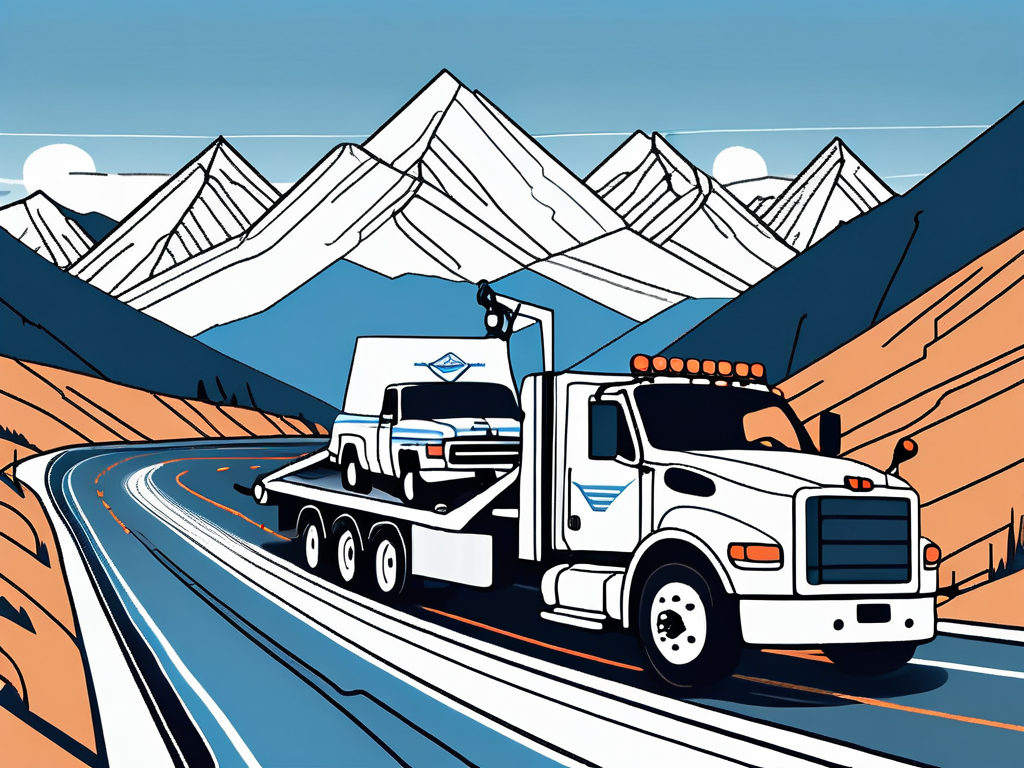
Choosing the Right Towing Vehicle
Selecting a suitable towing vehicle is paramount. The towing vehicle should have the necessary power and capacity to tow the additional weight safely. Always consult the owner’s manual for weight limits and towing specifications.
The vehicle should ideally possess a towing package that includes a heavy-duty hitch, wiring harness, brakes, and stability controls to facilitate smooth towing. It is also advisable to familiarize yourself with various towing vehicles, such as trucks and SUVs, which are typically equipped for such tasks. Additionally, consider the terrain you will be traversing; vehicles with four-wheel drive capabilities may be more suited for mountainous or off-road conditions, providing better traction and control.
Essential Towing Equipment
Investing in the right towing equipment is crucial. Key items include:
- Towing Hitch: This connects the towing vehicle to the towed vehicle.
- Safety Chains: These provide extra security in case the hitch fails.
- Brake Controller: Essential for controlling the brakes of the towed vehicle.
- Light Connectors: Ensures that the trailer lights function correctly.
Having high-quality equipment decreases the risk of accidents and ensures a smoother towing process. Furthermore, consider investing in additional items such as a weight distribution hitch, which can help balance the load and improve handling, especially on longer trips. A towing mirror can also enhance visibility, allowing you to monitor the towed vehicle more effectively and make lane changes with confidence.
Pre-Towing Safety Checks
Before starting your journey, performing thorough safety checks is essential. Here’s a checklist to consider:
- Check hitch connection for security.
- Inspect tires for proper inflation and tread depth.
- Verify that lights and signals are functioning correctly.
- Examine the brakes and test the trailer brakes if applicable.
Following these checks can significantly reduce the chances of mishaps during your trip. Safety should always remain your top priority when towing. Additionally, it’s wise to ensure that your towing vehicle is equipped with an emergency kit, including flares, a first-aid kit, and tools for minor repairs. Being prepared for unexpected situations can make a significant difference in your overall towing experience, allowing you to address any issues promptly and continue your journey with peace of mind.
The Process of Long-Distance Towing
Understanding the practical process of long-distance towing will help you navigate the roads with confidence. Proper execution of each step plays a significant role in ensuring both safety and efficiency.
Connecting Your Vehicle for Towing
When connecting your vehicle for towing, ensure that the towing equipment is adjusted based on the height and weight of the towed vehicle. If using a flatbed, ensure that the vehicle is well-secured using optimal tie-downs.
Take your time during this phase, as proper connections diminish the risk of detachment while en route. It’s advisable to check that the safety chains are crossed under the hitch and securely attached to both vehicles. Additionally, inspect the towing hitch and wiring for any signs of wear or damage, as these components are crucial for safe towing. A thorough pre-tow inspection can prevent unexpected issues on the road, allowing for a smoother journey.
Navigating on the Road While Towing
Driving with a towing load requires heightened awareness. Make sure you allow for extra stopping distance due to the added weight and ensure to make wider turns to accommodate for the towed vehicle’s length.
Be mindful of speed limits and consider that acceleration may be slower than normal. Staying within the speed limits increases safety and allows for better handling of the towing vehicle. It’s also wise to keep an eye on your mirrors frequently; this will help you monitor the towed vehicle’s position and stability. If you notice any swaying or instability, it may be necessary to pull over and check the connections and load distribution before continuing your journey.
Managing Speed and Braking with a Towed Load
Speed management is critical when towing. Gradual acceleration and steady deceleration will maintain control. Sudden stops can lead to loss of control of the towed vehicle. Pay attention to road conditions and adjust your speed accordingly.
If the towed vehicle has its brakes, use a brake controller to synchronize the braking process, making sure both vehicles operate smoothly during stops. Additionally, consider the terrain you are driving on; towing uphill requires more power and may necessitate shifting to a lower gear, while downhill driving may require engine braking to control speed. Understanding how to effectively manage these variables can significantly enhance your towing experience and ensure the safety of both your vehicle and the towed load.
Legal Considerations for Long-Distance Towing
There are legal frameworks that guide towing practices, and being informed can save you from potential legal issues while towing across state lines.
Understanding Towing Laws and Regulations
Each state has its own towing laws and regulations that dictate speed limits, brake requirements, and equipment standards. Researching these before embarking on your towing journey is crucial to ensure compliance and avoid fines.
Some states may require specific licensing if you are towing a particular weight, while others may mandate the use of extra safety equipment.
Required Permits and Documentation
In certain circumstances, you may need additional permits for long-distance towing, especially if the towed vehicle is oversized or if you are using commercial services. Always collect the necessary documents ahead of time.
Keeping proof of ownership, insurance for both vehicles, and any relevant towing permits in order can streamline your long-distance towing experience.
Troubleshooting Common Long-Distance Towing Issues
Even with thorough preparation, issues may arise during long-distance towing. Knowing how to troubleshoot these problems will keep you safe and minimize disruptions.
Dealing with Vehicle Breakdowns
Vehicle breakdowns can occur unexpectedly. If your towing vehicle or the towed vehicle encounters issues, pull over safely and assess the situation. Using roadside assistance programs can greatly expedite help during such predicaments.
Always have the contact information of a reliable towing service handy. This foresight can save you time and stress in emergencies.
Addressing Towing Equipment Failures
Equipment failures, such as tire blowouts or hitch malfunctions, can lead to serious accidents. Regular maintenance of your towing setup is vital. Familiarize yourself with the components of your towing equipment so that you can identify issues early.
If you experience equipment failure, stop immediately and carry out repairs if possible. Keep a basic toolkit handy for minor adjustments, and know when to call professionals for more severe failures.
With this comprehensive understanding of long-distance towing, you can tackle your next towing adventure with confidence. Proper preparation, knowledge of the road, and an awareness of legal considerations will make your journey safer and more efficient, ensuring you reach your destination without unnecessary stress.
Ready to embark on your long-distance towing journey with peace of mind? Look no further than Long Distance Towing, your nationwide auto transport experts. With a network of over 10,000 reliable carriers, we ensure your car or motorcycle is picked up and delivered safely, whether you’re 50 or 3,000 miles from home. Trust us to care for your vehicle as if it were our own, from classic cars to restoration projects. Get A Quote Today and experience seamless, stress-free transportation tailored to your needs.