

Fuel costs are a significant contributor to the overall expenses involved in long-distance towing. As these expenses fluctuate, they can greatly influence the rates charged by towing companies. Understanding how fuel prices affect towing rates is essential for both service providers and customers seeking reliable towing services.
Understanding Fuel Costs
A comprehensive understanding of fuel costs is crucial to grasping their impact on towing rates. This section explores the foundational aspects of fuel pricing, fluctuations in costs, and regional variations.
The Basics of Fuel Pricing
Fuel pricing is determined by several factors, including crude oil prices, refining costs, distribution and marketing expenses, as well as taxes. Variations in these factors can lead to noticeable changes in gasoline and diesel prices, which are essential for towing operations. Towing companies that operate fleets of vehicles rely heavily on fuel, making any changes in price a critical factor in their operational costs.
Additionally, consumer demand plays a vital role. For instance, during peak travel seasons or holidays, fuel prices may rise due to increased demand from drivers. This spike can lead to higher operational expenses for towing and roadside assistance providers. Moreover, the introduction of alternative fuels and electric vehicles into the market has begun to influence traditional fuel pricing dynamics. As more consumers consider eco-friendly options, the demand for conventional fuels may fluctuate, potentially leading to further price adjustments.
Fluctuations in Fuel Costs
Fuel prices are known for their volatility. Events such as geopolitical tensions, natural disasters, and changes in market regulations can lead to rapid shifts in cost. Towing companies often feel the repercussions of these fluctuations almost immediately, reflecting in their pricing models. For instance, a sudden spike in oil prices due to international conflicts can force towing companies to adjust their rates, which may not always sit well with customers who are already facing unexpected vehicle issues.
Long-distance towing frequently involves long hours on the road, where fuel efficiency becomes paramount. Therefore, even small changes in fuel prices can result in significant differences in the overall costs associated with a towing job. Companies are increasingly investing in fuel-efficient vehicles and technologies to mitigate these costs, which not only helps in maintaining profitability but also aligns with growing consumer preferences for sustainability.
Regional Differences in Fuel Prices
Regional differences in fuel prices can be attributed to factors such as local taxes, availability of fuel suppliers, and transportation costs. For example, urban areas may experience higher fuel costs due to increased demand, while rural areas may have slightly lower prices due to less demand and competition. Additionally, the proximity to refineries and distribution centers can significantly affect local fuel prices, as transportation costs are a key component of the overall pricing structure.
This disparity in fuel prices can influence towing rates differently across regions. Companies operating in high-fuel-cost areas may need to charge more to cover their expenses, impacting overall customer pricing strategies and their competitive advantage in the marketplace. Furthermore, towing companies in regions with a higher prevalence of heavy-duty vehicles may face additional challenges, as these vehicles typically consume more fuel, further complicating the pricing landscape. Understanding these regional nuances is essential for towing businesses to effectively strategize and remain competitive while ensuring they meet the needs of their customers.
If you happen to live in Indianapolis, we have discussed about the best towing companies in Indianapolis to help you pick the right service provider.
The Connection Between Fuel Costs and Towing Rates
Understanding how fuel costs directly relate to towing rates is vital for both providers and consumers. This connection is explored through the calculations behind towing rates, the influence of fuel costs, and the importance of fuel efficiency.
Calculating Towing Rates
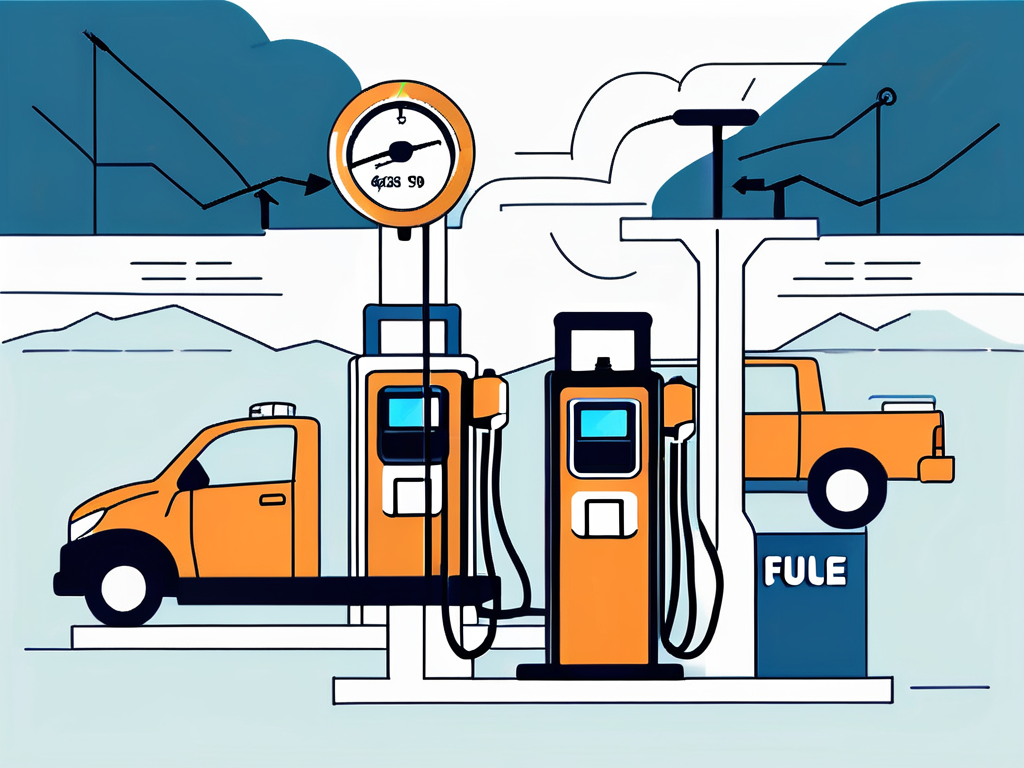
Towing rates are generally calculated considering a variety of expenses, including labor, equipment maintenance, and, notably, fuel costs. Companies often use a formula that includes these variables to ensure they cover costs while remaining competitive.
When fuel prices rise, towing companies must adapt their calculations, which can lead to increases in rates for customers. It’s crucial for prospective clients to understand this calculation process to appreciate the fairness in pricing during times of fluctuating fuel costs. Additionally, some towing companies may implement a fuel surcharge to transparently communicate the impact of fuel price changes, allowing customers to see how these fluctuations directly affect their service costs.
How Fuel Costs Influence Towing Pricing
Fuel prices significantly affect how towing companies set their pricing structures. When fuel costs increase, towing services often see an upward trend in their charges to accommodate elevated operational expenses. This can result in higher quotes for long-distance towing jobs, impacting customer choices.
Moreover, towing businesses need to strategically adjust their pricing based on market trends in fuel costs, which can involve analyzing past price changes and forecasting future rates. This proactive approach can help mitigate the financial impact of rising fuel prices on both the company and its clients. Companies may also explore partnerships with fuel suppliers or consider bulk purchasing agreements to stabilize their fuel costs, thereby offering more competitive rates to their customers.
The Role of Fuel Efficiency in Towing
Fuel efficiency plays a significant role in how towing companies manage their costs. Vehicles with higher fuel efficiency will generally incur lower overall expenses, even in a climate of rising fuel prices. This has encouraged many companies to invest in modern towing equipment designed with better fuel performance.
Incorporating fuel-efficient technology not only aids in cost management but also contributes to environmental sustainability—a growing concern among consumers. Thus, companies that prioritize fuel efficiency may present themselves as responsible choices for clients who value eco-friendly practices. Furthermore, the adoption of alternative fuel vehicles, such as those powered by electricity or hybrid systems, is becoming more prevalent in the towing industry, offering an innovative solution to reduce reliance on traditional fuel sources and lower operational costs in the long run.
The Impact of Rising Fuel Costs
The consequences of rising fuel costs are far-reaching, affecting both towing companies and their customers. This section discusses how these increases can lead to changes in towing rates, their specific impact on long-distance towing, and strategies to mitigate these effects.
Predicting Changes in Towing Rates
As fuel prices are prone to fluctuations, anticipating changes in towing rates is critical for companies relying on this business model. A successful towing service must continuously monitor fuel costs and adjust their rates accordingly to remain profitable.
Many companies utilize software tools to analyze fuel price trends and project future prices, enabling them to proactively adjust their business strategies, whether through price adjustments or improving operational efficiencies. These tools can also help towing companies identify peak times for service requests, allowing them to optimize their workforce and resources effectively. By leveraging data analytics, towing businesses can gain insights into customer behavior and preferences, which can further inform their pricing strategies.
The Effect on Long Distance Towing
Long-distance towing is especially vulnerable to rising fuel costs due to the extensive journeys involved. For towing companies operating over vast distances, the cumulative effect of high fuel prices can significantly inflate the overall cost of services provided.
Customers may face higher charges when requesting long-distance services, which can affect their choice of provider. Therefore, towing businesses must balance the necessity of covering costs while maintaining competitive pricing structures that appeal to customers. This challenge is compounded by the fact that many customers may not fully understand the complexities involved in long-distance towing, including the logistics of vehicle transport and the additional resources required to ensure safe and timely delivery. Educating customers on these factors can help justify the rates and foster a sense of value in the service provided.
Mitigating the Impact of Fuel Costs
While rising fuel costs present challenges, there are ways to mitigate their impact on towing services. Some strategies include optimizing routing to minimize fuel consumption, investing in fuel-efficient vehicles, and negotiating fuel prices with suppliers.
Additionally, enhancing customer communication regarding pricing changes can create transparency and foster trust. By being upfront about how fuel prices affect rates, towing companies can build stronger relationships with their clientele, ultimately enhancing their reputation. Furthermore, implementing loyalty programs or discounts for repeat customers can also help retain business and encourage customer loyalty, even in the face of rising costs. By demonstrating a commitment to customer satisfaction, towing companies can differentiate themselves in a competitive market, ensuring that they remain a preferred choice despite the economic pressures of fluctuating fuel prices.
Future Trends in Fuel Costs and Towing Rates
Looking ahead, several trends may shape the future of fuel costs and their impact on towing rates. This section examines the shift toward electric towing vehicles, innovations in fuel efficiency, and predictions for future towing rates.
The Shift Towards Electric Towing Vehicles
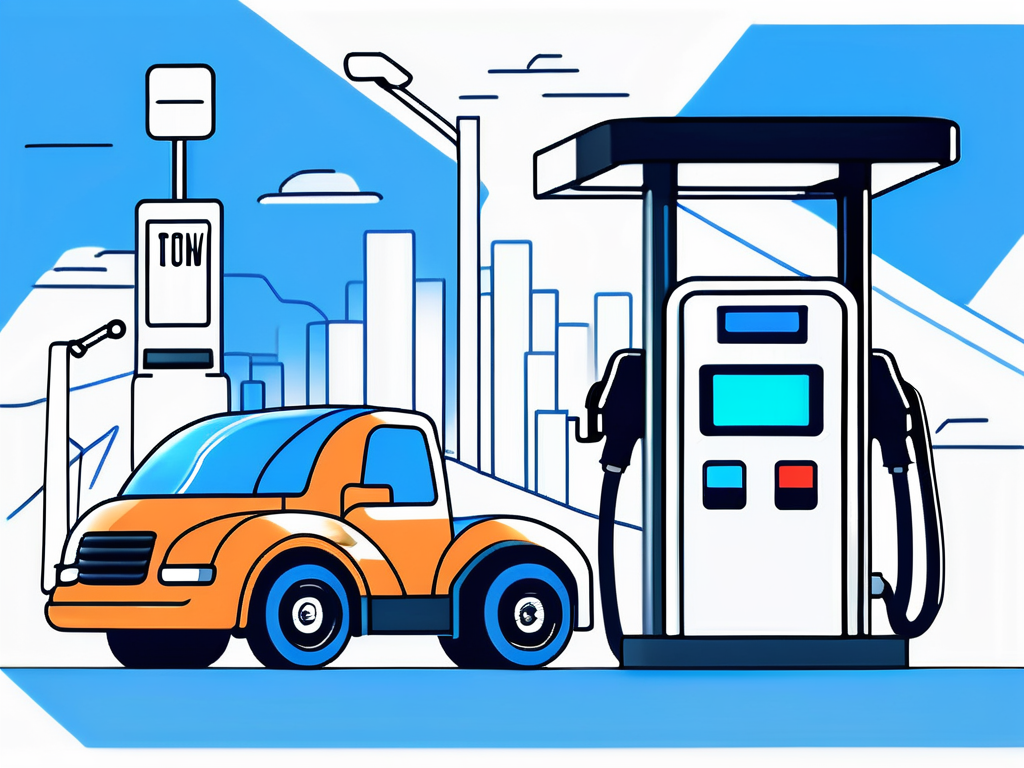
One of the most significant shifts in the automotive industry is the move toward electric vehicles (EVs), including towing trucks. As the technology advances, many towing companies are exploring electric options to reduce their reliance on traditional fuel sources.
Electric vehicles typically offer lower operating costs due to reduced fuel expenses and less maintenance. As infrastructure for charging stations expands, the feasibility of electric towing services becomes more practical, potentially revolutionizing how towing companies operate.
Innovations in Fuel Efficiency
Innovations in technology continue to lead the way toward improved fuel efficiency in towing vehicles. Developments in hybrid systems, aerodynamics, and lightweight materials can all contribute to reduced fuel consumption.
This focus on technological advancements not only helps companies save money but also aligns with the growing consumer emphasis on sustainability. As fuel efficiency improves across the board, these benefits could translate into more stable towing rates for consumers in the long run.
Predictions for Future Towing Rates
Forecasting the future of towing rates can be complex, particularly given the unpredictable nature of fuel costs. However, as trends toward efficiency and alternative energy sources grow, companies may find themselves in a better position to provide stable pricing models.
Ultimately, the future of towing rates will likely be shaped by a mix of fuel costs, technological advancements, and changing consumer preferences. For both towing companies and their clients, staying informed about these dynamics will be essential for navigating the evolving landscape of fuel costs and towing rates.
As fuel costs and towing rates continue to evolve, choosing the right partner for your long-distance auto transport needs is more important than ever. Long Distance Towing offers nationwide, full-service transportation for all types of vehicles including RVs, ensuring your car or motorcycle reaches its destination safely and efficiently. With a vast network of over 10,000 reliable carriers, we’re equipped to handle your transport with the utmost care, whether you’re 50 or 3,000 miles from home. Don’t let fluctuating fuel costs affect your towing decisions. Get A Quote Today and experience seamless, stress-free car transport with Long Distance Towing.