
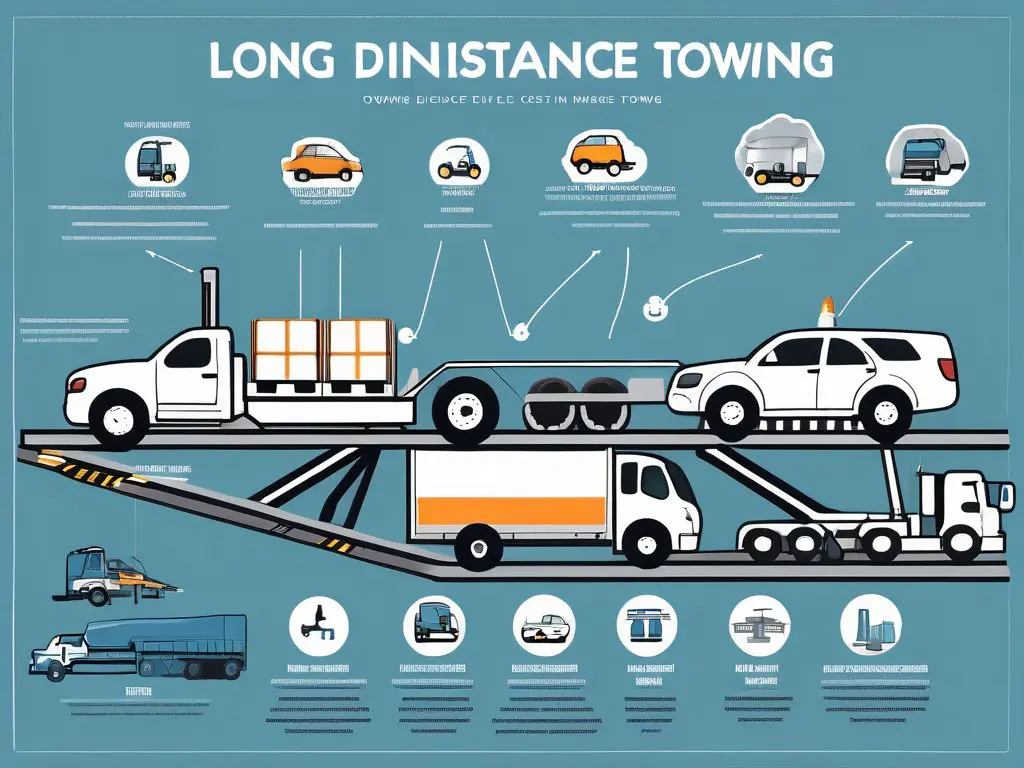
Understanding the Basics of Long Distance Towing
Long distance towing is a specialized service that involves transporting a vehicle over substantial distances, often exceeding 100 miles. It offers peace of mind for owners whose vehicles break down far from home. Given the complexities involved, understanding the definition and components of long distance towing is essential for anyone who may need to use this service.
What is Long Distance Towing?
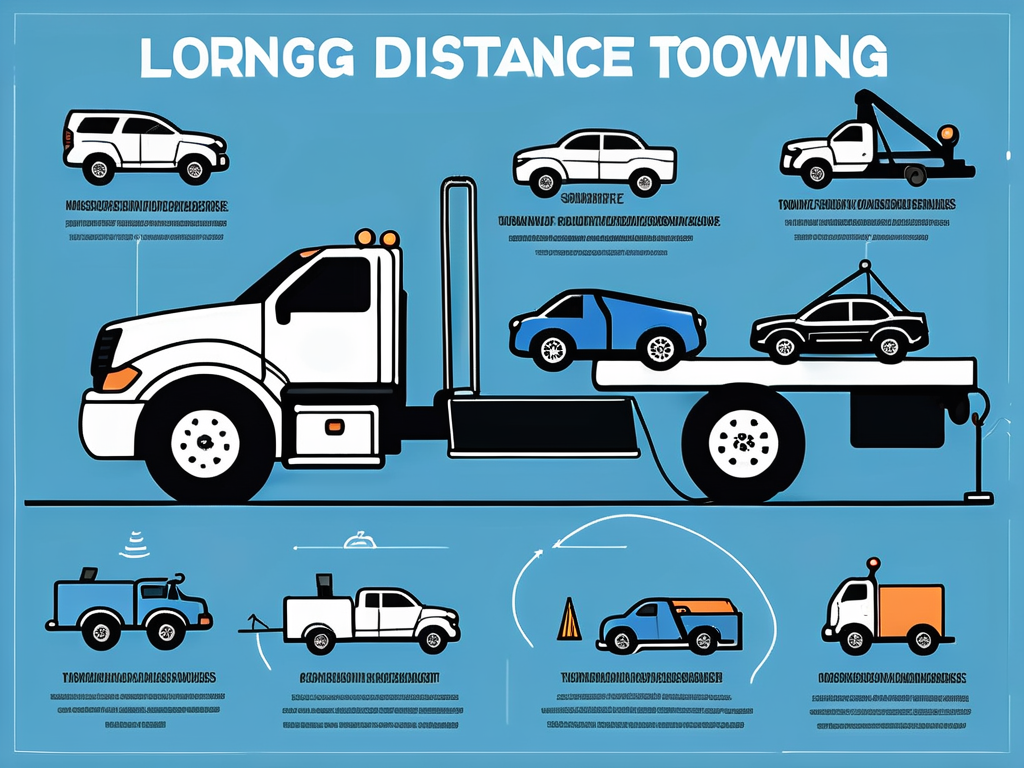
Long distance towing refers to the transportation of a vehicle from one location to another, typically involving extensive travel. This can arise from breakdowns, accidents, or the need to relocate a vehicle without driving it. Long distance towing services are often employed by individuals, car dealers, and fleet services.
The service is distinct from local towing, which usually encompasses shorter distances. Long distance towing requires specific equipment, specialized knowledge, and often entails higher operational costs due to the distance covered and the time involved.
Key Components of Long Distance Towing
The key components of long distance towing include the towing vehicle, the trailer, and safety equipment. The towing vehicle must be powerful enough to handle the weight of the vehicle being towed, while the trailer must be designed to securely hold the vehicle. Additionally, many long distance towing services utilize additional safety equipment, such as straps and chains, to ensure that the vehicle remains secure during transit.
Communication plays a vital role as well. In many cases, towing companies provide real-time updates regarding the vehicle’s status, giving owners peace of mind during the transport process. Understanding these components helps in evaluating the reliability and professionalism of a towing service.
Moreover, long distance towing often involves navigating various regulations and requirements, especially when crossing state lines. Different states may have unique laws regarding towing practices, weight limits, and vehicle registration, which towing companies must adhere to. This regulatory knowledge is crucial for ensuring that the towing process is compliant and safe, preventing any legal complications during transit. Additionally, some towing services may offer insurance options for the vehicle being transported, providing further security for the owner in case of any unforeseen incidents during the journey.
Another important aspect to consider is the type of vehicle being towed. Specialized vehicles, such as luxury cars or motorcycles, may require additional care and specific towing techniques to avoid damage. Towing companies often have specialized equipment, such as flatbed trucks or enclosed trailers, to accommodate these unique needs. This specialization not only protects the vehicle but also enhances the overall efficiency of the towing process, ensuring that the vehicle arrives at its destination in pristine condition.
The Financial Aspect of Long Distance Towing
The cost of long distance towing can vary significantly based on various factors. Becoming familiar with both the initial costs and hidden charges can help vehicle owners budget more effectively when faced with unexpected towing needs.
Initial Costs of Long Distance Towing
Initial costs typically include the base rate for the towing service, which often depends on the distance to be traveled, the type of vehicle being towed, and the specific towing rate set by the company. For distance-based pricing, companies usually charge per mile, with rates often decreasing for longer distances.
In addition to the base rate, some towing companies may include additional fees for aspects like fuel surcharges, overtime charges, or specific vehicle requirements (like oversized vehicles). It’s advisable for vehicle owners to clarify these costs upfront to avoid any surprises on the final bill. Furthermore, some companies may offer flat-rate pricing for certain routes or conditions, which can be beneficial for those who prefer predictability in their expenses. Understanding these pricing structures can empower vehicle owners to make informed decisions when selecting a towing service.
Hidden Charges in Long Distance Towing
Hidden charges can sometimes complicate the financial aspect of long distance towing. Examples include fees for loading and unloading, tolls incurred during transit, or additional mileage fees if the driver must take a longer route than anticipated.
Moreover, if the vehicle requires special handling due to its condition, this might lead to additional costs. For instance, if a vehicle is not operational and requires special equipment for loading, towing companies may charge extra. Understanding potential hidden charges is crucial for anyone preparing to utilize towing services. It’s also wise to inquire about the company’s policies regarding delays or changes in the towing plan, as these can lead to unexpected fees. Some companies may have a grace period for delays, while others may start charging immediately, adding to the overall cost. Being proactive and asking detailed questions can help vehicle owners avoid financial pitfalls when engaging long distance towing services.
Factors Affecting the Cost of Long Distance Towing
Understanding the different factors affecting towing costs can provide valuable insights into effective budgeting. Here are several primary considerations that impact overall costs.
Distance and its Impact on Cost
Distance is one of the main factors influencing the cost of long distance towing. Generally, the longer the distance, the more expensive the towing service will be. Many companies have structured pricing based on miles, where the cost per mile may decrease at higher mileage tiers. This tiered pricing can lead to a more affordable rate if the vehicle needs to be transported over an exceptionally long distance.
Additionally, geographic factors can play a role in costs. Areas with limited towing services might result in increased rates due to the lack of competition. Therefore, it’s wise to research local providers when planning long distance towing to get the best value.
Vehicle Size and Towing Cost
The size and weight of the vehicle being towed can substantially affect towing costs. Heavier or larger vehicles often require more robust equipment and may necessitate more powerful towing vehicles, leading to higher fees.
For instance, a standard car might incur lower towing charges compared to a large truck or an SUV which might demand additional consideration in terms of both equipment and labor. Thus, it’s essential for vehicle owners to be aware of their vehicle’s size and specifications when inquiring about towing services.
Time and its Effect on Towing Expenses
The time of day or week can also influence towing costs. For example, towing on weekends, holidays or during peak hours may incur premium rates due to increased demand for these services. Additionally, urgent requests for towing, such as those necessitated by an accident or mechanical failure, may lead to higher charges as towing companies prioritize these calls.
Therefore, being mindful of the timing when arranging for towing can help individuals manage their expenses more effectively. Planning towing needs ahead of time can often result in more favorable rates.
Ways to Minimize Long Distance Towing Costs
Preparing Your Vehicle for Long Distance Towing
Ensuring that your vehicle is adequately prepared for towing can significantly reduce costs. This includes making sure the vehicle is in operable condition, which may allow for standard towing methods rather than requiring specialized equipment. Additionally, removing any unnecessary belongings from the vehicle can decrease weight and potentially lower fees.
Furthermore, checking for any mechanical issues before the towing day can prevent unexpected costs associated with an unresponsive vehicle. Owners should make sure that the vehicle is in good working order before it is picked up for transport.
Choosing the Right Towing Company
The choice of the towing company can also have a significant impact on expenses. Researching different companies and comparing their rates, services, and customer reviews will yield a better understanding of potential costs. Some towing companies offer flat rates, while others work on a per-mile basis, so it’s prudent to identify which pricing model suits one’s needs better.
Additionally, recommendations or testimonials from past customers can help in finding a reliable service that does not compromise quality for cost. Opting for a reputable, established company can ultimately lead to cost savings and reduce the likelihood of hidden fees.
Negotiating Towing Costs
Negotiation is another crucial aspect when it comes to managing towing costs. Many towing companies are willing to discuss their pricing and may offer discounts, especially if the towing is redeployed for a return journey. Being upfront about one’s budget and seeking flexible pricing could lead to more favorable terms.
It’s also wise to inquire about package deals or loyalty programs that might be offered, as these could result in long-term savings for frequent users of towing services.
Conclusion: Making Sense of Long Distance Towing Costs
Understanding the various factors that influence the costs associated with long distance towing can empower vehicle owners to make informed decisions. By knowing the basics, financial aspects, and practical tips for cost minimization, individuals can navigate towing services with greater ease.
Recap of Cost Factors in Long Distance Towing
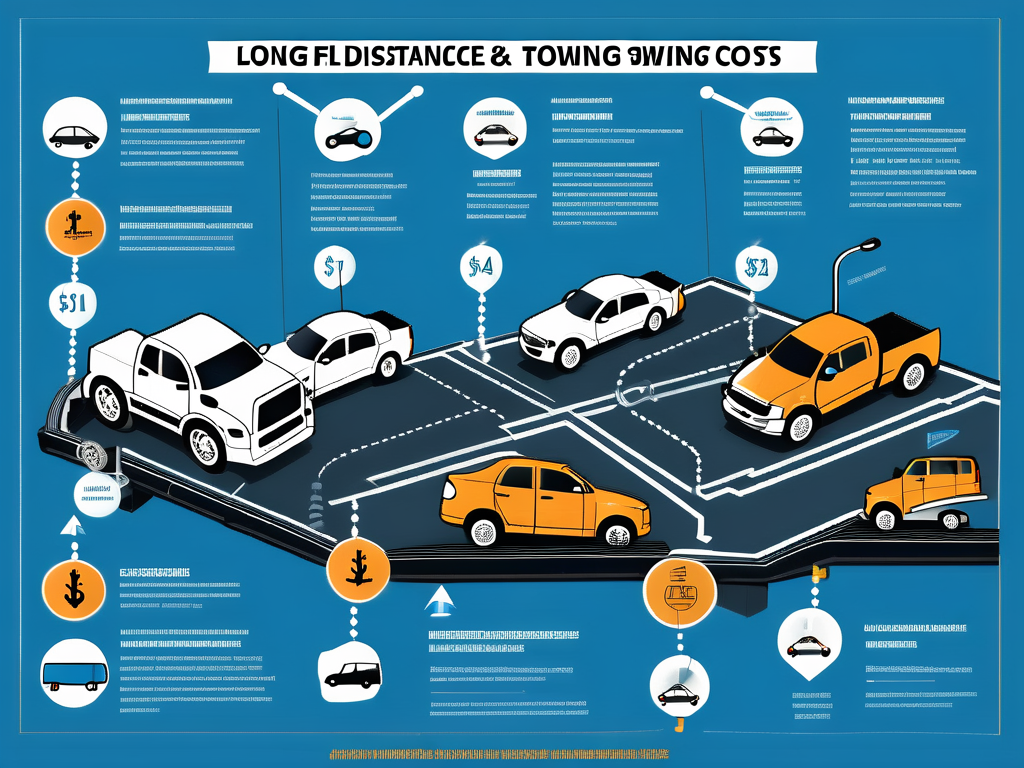
To summarize, the major cost factors in long distance towing include the initial rates, hidden charges, and specific variables such as distance, vehicle size, and time. Being cognizant of these points can aid in devising a workable budget for necessary towing services.
Final Thoughts on Managing Towing Expenses
In conclusion, while towing expenses may seem daunting, with the right knowledge and strategies, vehicle owners can effectively minimize their costs. Proper preparation ahead of time and an informed selection process can lead to more manageable and predictable towing expenses, making the overall experience less stressful.
Ready to ensure your vehicle’s journey is in safe, professional hands? Look no further than Long Distance Towing. With our nationwide network of over 10,000 reliable carriers, we specialize in transporting cars and motorcycles of all types, including classic cars and restoration projects. Experience the peace of mind that comes with full-service transportation, from pickup to delivery, no matter the distance. Don’t let the stress of long distance towing weigh you down. Get A Quote Today and let us take the wheel in delivering your vehicle safely and efficiently to its destination.