
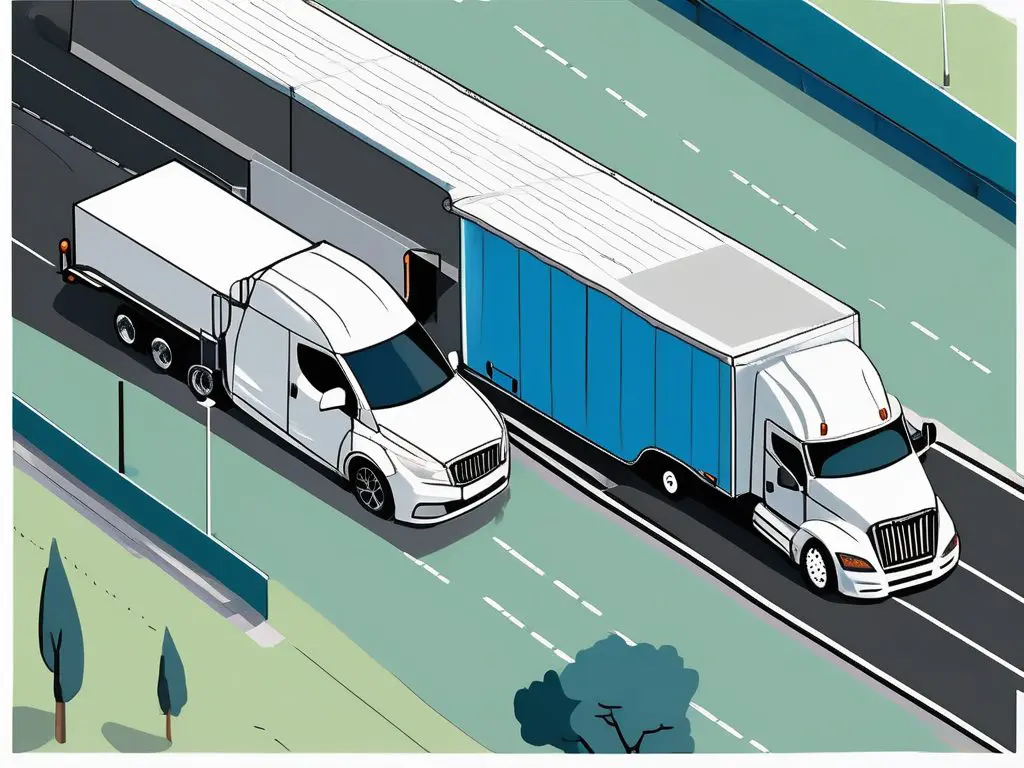
Transporting a vehicle can be a crucial decision for many car owners, whether they’re relocating, buying a car from a distant seller, or heading to a new home. Among the most significant choices one faces is deciding between open and enclosed car transport options. Each method has its own set of advantages and drawbacks. Understanding the distinctions can help you make an informed choice that aligns with your needs.
Understanding Car Transport Options
Defining Open Car Transport
Open car transport is a method where vehicles are loaded onto a transport carrier that is exposed to the elements. This is typically the most common and economical way to transport cars and can accommodate multiple vehicles at once, maximizing efficiency.
Open transport carriers usually feature a two-level setup, where cars are stacked on top of each other, allowing plenty of space for several vehicles to be loaded at once. This option is often utilized by car dealerships and individuals looking for a cost-effective solution. Despite being exposed, many vehicles arrive at their destination safely.
One of the key advantages of open car transport is its availability and speed. Since this method is widely used, transport companies often have more open carriers ready to go, which can lead to quicker pickup and delivery times. Additionally, because open transport can carry more vehicles in a single trip, the cost per vehicle is generally lower, making it an attractive option for those on a budget. However, it’s important for owners to consider the potential risks, such as exposure to harsh weather conditions or road debris, and to take necessary precautions, like ensuring their vehicle is clean and well-maintained before transport.
Defining Enclosed Car Transport
On the other hand, enclosed car transport involves transporting vehicles inside a fully enclosed trailer. This means that the vehicle is protected from weather conditions, road debris, and other potential hazards during transit.
This method is particularly popular for classic cars, luxury vehicles, and high-value automobiles that require additional protection. Enclosed carriers come in various sizes and configurations and offer a secure environment for transporting vehicles over long distances.
Enclosed transport not only provides a shield from environmental factors but also offers enhanced security. Many enclosed carriers are equipped with advanced locking systems and GPS tracking, giving owners peace of mind that their valuable vehicles are being closely monitored throughout the journey. Furthermore, the interior of these trailers is often padded and designed to minimize movement, reducing the risk of scratches or damage during transit. For those who own rare or custom vehicles, investing in enclosed transport can be a wise choice, ensuring that their prized possessions arrive in pristine condition, ready for display or use upon arrival.
Factors to Consider When Choosing Car Transport
Cost Differences Between Open and Enclosed Transport
When transporting your vehicle from Maryland to Florida, cost is often a key consideration. One of the biggest decisions you’ll face is choosing between open and enclosed transport.
- Open Transport: A budget-friendly option that allows multiple vehicles to be shipped at once, making it the most common and affordable choice.
- Enclosed Transport: Offers extra protection for luxury, classic, or exotic cars but comes at a higher cost.
Regardless of your choice, working with a trusted auto transport company ensures safe and timely delivery. With professional carriers and door-to-door service, your vehicle will arrive at its destination hassle-free.
Ready to ship your car? Get a free quote today and experience stress-free auto transport from Maryland to Florida!
Safety Measures in Open and Enclosed Transport
When it comes to safety, both transport methods have pros and cons. Open transport is subject to external conditions but uses secure methods for strapping vehicles in place, helping minimize movement and potential damage.
Enclosed transport, on the other hand, provides a higher level of protection from accidents, weather events, and theft. The vehicle is completely shielded, which is a significant advantage for valuable or rare cars. Understanding these differences can help determine which option offers the best balance of safety for your specific vehicle. Additionally, enclosed transport often includes features such as air-ride suspension systems, which further reduce the risk of damage during transit by absorbing shocks and vibrations. For car enthusiasts or collectors, these added safety measures can be a crucial factor in preserving the integrity and value of their prized possessions.
Time Efficiency in Open and Enclosed Transport
Time efficiency can also play a role in your transport decision. Open transport typically allows for quicker loading and unloading processes, given the ability to move multiple vehicles at once. This can often translate to faster delivery times.
However, enclosed transport may involve longer wait times, as fewer vehicles are transported at the same time. Additionally, availability and scheduling flexibility can influence how long it takes for your vehicle to be picked up and delivered. It’s important to consider your own timeline and urgency when selecting a transport method. For instance, if you need your vehicle delivered quickly for an upcoming event or sale, open transport may be the more suitable option. On the other hand, if you have a more flexible schedule and prioritize the safety of your vehicle over speed, opting for enclosed transport could be the better choice. Furthermore, some transport companies offer expedited services for enclosed transport, which can help mitigate time concerns while still providing the necessary protection for your vehicle.
Pros and Cons of Open Car Transport
Benefits of Open Car Transport
Open car transport offers several advantages, including its affordability and the efficiency of moving multiple vehicles simultaneously. This can significantly reduce the overall cost of transport, making it a popular choice for many consumers. The logistics of open transport are streamlined, allowing carriers to load and unload vehicles quickly, which can lead to faster delivery times compared to other methods.
Additionally, open transport allows easy access to the vehicle during transit, facilitating quick inspections and adjustments if needed. For many, especially those transporting regular cars, this method can be highly practical and effective. The open nature of the transport also means that drivers can monitor the vehicles more easily, ensuring that everything is secure throughout the journey. This transparency can provide peace of mind to owners, knowing that their vehicles are being cared for during transport.
Drawbacks of Open Car Transport
Despite its benefits, open transport does come with some downsides. One major concern is exposure to the elements, which can lead to wear and tear on a vehicle’s paint job or cause minor damage from road debris. Rain, snow, and UV rays can all take a toll on a vehicle’s exterior, potentially leading to costly repairs after transport. Additionally, the accumulation of dirt and grime is almost inevitable, requiring a thorough cleaning upon arrival.
Furthermore, there’s a greater risk of theft and vandalism since the vehicles are visible during transit. For those transporting high-end or classic cars, these risks may turn out to be a significant drawback. The open transport method may not provide the same level of security as enclosed transport, where vehicles are shielded from prying eyes and potential threats. As a result, owners of luxury vehicles often weigh these risks carefully, considering whether the cost savings of open transport outweigh the potential hazards to their prized possessions. In some cases, they might opt for enclosed transport to ensure maximum protection, despite the higher price tag associated with that service.
Pros and Cons of Enclosed Car Transport
Benefits of Enclosed Car Transport
The primary benefit of enclosed car transport is the high level of protection it offers. Vehicles are sheltered from environmental hazards like rain, snow, and ultraviolet light, which can deteriorate the paint and materials over time.
Enclosed transport is also ideal for high-value cars, providing security against theft and damage. For owners of luxury vehicles, the added peace of mind that comes with this option can be well worth the higher cost.
Drawbacks of Enclosed Car Transport
Conversely, the main drawbacks include higher costs and potentially longer transit times. Since fewer vehicles are transported at a time, the overall price may not be feasible for everyone. The logistical challenges can lead to scheduling delays, which may be inconvenient.
Moreover, availability may also be limited, meaning that those opting for an enclosed service might need to plan and book transport well in advance.
Making the Right Choice for Your Car Transport
Assessing Your Car’s Value and Condition
When deciding between open and enclosed car transport, assessing the value and condition of your vehicle is crucial. Higher-value or collectible cars typically benefit from the extra protection offered by enclosed transport.
On the other hand, standard vehicles in good condition may fare well in open transport and come through the journey without issues. Evaluating your car’s unique factors will guide your choice effectively.
Considering Your Personal Preferences
Personal preferences play a significant role in the vehicle transport decision. Some individuals value security and protection above cost, while others prioritize affordability and efficiency.
Understanding your priorities will help streamline the decision-making process. If peace of mind is a key factor for you, then enclosed car transport might align better with what you seek.
You can consider our car transport service in Massachusetts or any other place in the U.S. if you want the best service. We’ll take careof everything for you.
Evaluating Your Budget Constraints
Finally, budget constraints are unavoidable and can greatly affect your choice in transport methods. Before deciding, it’s essential to establish your budget and weigh the advantages of each option against the costs involved.
It’s wise to consider the potential financial impact of your choice, whether you lean toward the standard savings of open transport or the secure benefits of enclosed transport. A balanced view that incorporates your financial situation will ultimately lead you to the best decision for your specific needs.
Now that you’ve explored the differences between open and enclosed car transport and considered what’s best for your vehicle, it’s time to take the next step with Long Distance Towing. We’re committed to providing you with safe, reliable, and tailored auto transport services nationwide. Whether you’re shipping a classic car or a motorcycle, our network of over 10,000 trusted carriers ensures your vehicle arrives safely at your destination. Don’t leave your transport needs to chance; Get A Quote Today and experience the peace of mind that comes with expert car towing, no matter the distance.