

Auto transport in the United States has a rich and fascinating history. From the early days of automobile transportation to the advancements in technology and the environmental impact of this industry, the journey of auto transport in the USA is one that has had a profound impact on society. Join us as we delve into the various facets and milestones that have shaped the history of auto transport in the USA.
The Dawn of Auto Transport
Before we can understand the history of auto transport in the USA, we must first examine the inception of automobiles and early transportation. In the late 19th century, carriages and horse-drawn vehicles ruled the roads. However, with the invention of the automobile, a transportation revolution was set in motion.
The Ford Model T, introduced in 1908, played a significant role in the growth of auto transport. With its affordability and mass production, the Model T brought automobiles within reach of the average American. This accessibility forever changed the transportation landscape in the USA.
As the automobile industry continued to evolve, so did the infrastructure to support it. The construction of highways and roads became a national priority, leading to the development of a vast network of interconnected routes that spanned the country. This network not only facilitated the movement of goods and people but also spurred economic growth and urban development.
With the rise of auto transport, new industries emerged to support the growing demand for vehicles and services. Gas stations, repair shops, and motels sprang up along major transportation routes, catering to the needs of travelers and drivers. This ecosystem of businesses formed the backbone of the auto transport industry, providing essential services to ensure the smooth operation of the burgeoning network of roads and highways.
The Expansion of the Highway System
While the creation of automobiles provided the means for personal transportation, it was the expansion of the highway system that truly propelled auto transport forward. The Federal Aid Highway Act of 1956, also known as the National Interstate and Defense Highways Act, marked a significant milestone in the development of the US highway system. This act led to the construction of the iconic interstate highway system, connecting cities and states like never before.
The interstate highway system revolutionized auto transport, making it more efficient and convenient. It allowed for faster and smoother journeys, enabling Americans to travel long distances with ease. This increased mobility had a profound impact on various aspects of society, including tourism, commerce, and suburbanization.
One of the key features of the interstate highway system was its uniform design and signage, which made navigation simpler for drivers. The standardized numbering system for exits and mile markers provided consistency across the vast network of highways, ensuring that travelers could easily follow directions and estimate travel times. This uniformity not only improved safety on the roads but also enhanced the overall driving experience for millions of Americans.
Moreover, the construction of the interstate highway system created thousands of jobs and stimulated economic growth in both urban and rural areas. The demand for materials such as concrete, steel, and asphalt skyrocketed, leading to the expansion of industries related to road construction. Additionally, the improved accessibility provided by the highways encouraged businesses to expand their reach, fostering interstate commerce and trade. As a result, the highway system became not just a network of roads but a symbol of progress and connectivity in post-World War II America.
The Evolution of Auto Transport Services
As auto transport became more prevalent, the need for professional vehicle shipping services emerged. Auto transport companies began to establish themselves, offering specialized services to individuals and businesses alike. These companies provided solutions for transporting vehicles across long distances, making relocation and shipping more accessible and convenient.
Innovations in vehicle shipping methods further expanded the capabilities of auto transport companies. The development of enclosed carriers, for example, allowed for the safe transportation of high-end and classic vehicles, protecting them from the elements and potential damage. Open carriers, on the other hand, provided a cost-effective solution for shipping multiple vehicles at once.
With the rise of e-commerce and online vehicle sales, auto transport services have adapted to meet the changing needs of customers. Many companies now offer door-to-door transport, where vehicles are picked up from the seller’s location and delivered directly to the buyer. This service has streamlined the process of buying and selling vehicles online, eliminating the need for customers to coordinate transportation themselves.
Additionally, environmental concerns have led to the development of eco-friendly auto transport options. Some companies now offer hybrid or electric vehicle transport services, reducing carbon emissions during the shipping process. By embracing sustainable practices, these companies aim to minimize their environmental impact while still providing reliable transportation services to customers.
The Influence of Technology on Auto Transport
One cannot discuss the history of auto transport without acknowledging the profound influence of technology. The introduction of GPS (Global Positioning System) revolutionized navigation and tracking in the industry. It enabled auto transport companies to precisely track the location of vehicles in real-time, improving efficiency and customer satisfaction.
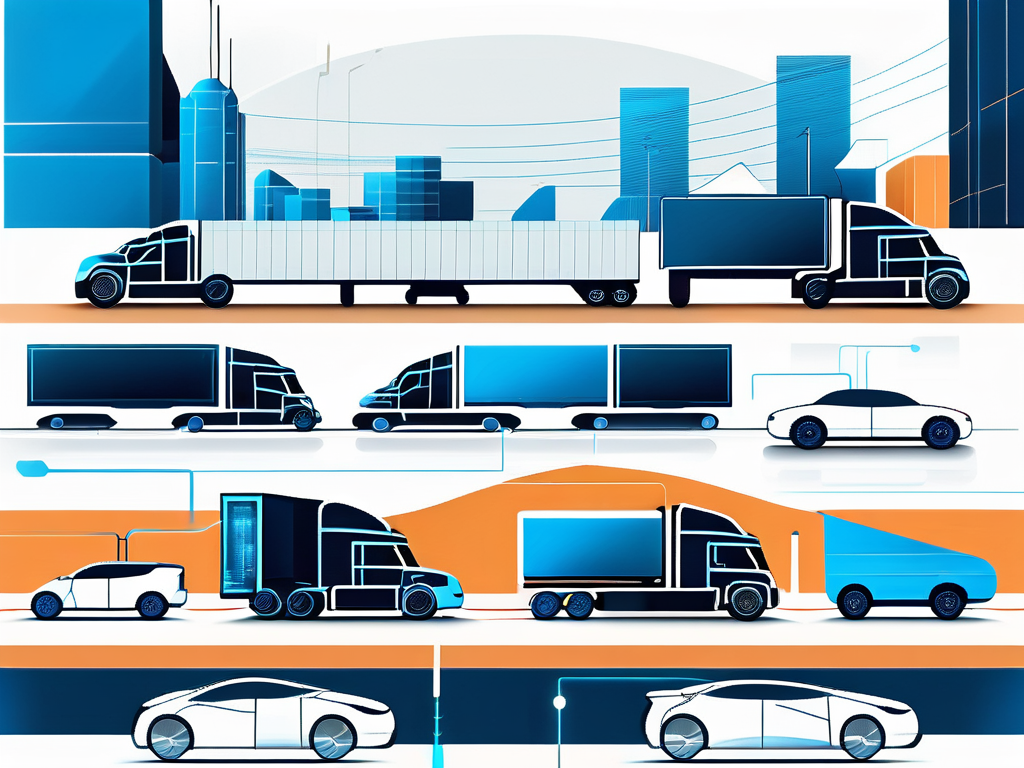
Looking to the future, autonomous vehicles are poised to have a dramatic impact on the auto transport industry. With ongoing advancements in self-driving technology, the day may come when vehicles can be transported without the need for a human driver. This potential shift could lead to further efficiency and safety enhancements in the industry.
Moreover, the integration of Internet of Things (IoT) devices in auto transport has opened up new possibilities for monitoring vehicle conditions during transit. Sensors embedded in vehicles can provide real-time data on factors like temperature, humidity, and even vehicle performance. This level of detailed monitoring not only ensures the safety of transported vehicles but also allows for proactive maintenance to prevent breakdowns.
Another technological advancement making waves in auto transport is the use of blockchain technology for secure and transparent transactions. By leveraging blockchain, auto transport companies can streamline payment processes, enhance data security, and build trust with customers through immutable transaction records. This innovation is reshaping the financial aspect of the industry, paving the way for more efficient and reliable transactions.
The Environmental Impact of Auto Transport
As the environmental impact of various industries became a global concern, so did the auto transport sector. The rise of electric vehicles (EVs) has been a significant development in recent years. EVs offer a more sustainable form of transportation, reducing greenhouse gas emissions and dependency on fossil fuels.
In response to the environmental impact of transportation, policies and regulations have been established to reduce carbon emissions. These regulations aim to promote cleaner vehicles and encourage the adoption of greener auto transport practices. As society becomes more conscious of its carbon footprint, it is crucial for the auto transport industry to continue evolving and embracing sustainable solutions.
Furthermore, the shift towards autonomous vehicles (AVs) is another trend shaping the future of auto transport. AVs have the potential to revolutionize the industry by improving road safety, reducing traffic congestion, and optimizing fuel efficiency. With advancements in artificial intelligence and sensor technology, AVs are becoming increasingly viable for mainstream adoption.
Moreover, the concept of shared mobility is gaining traction as a sustainable alternative to traditional car ownership. Services like car-sharing and ride-hailing platforms promote efficient use of vehicles, leading to reduced emissions and less traffic on the roads. By encouraging a shift towards shared transportation options, the auto transport industry can further mitigate its environmental impact and contribute to a more sustainable future.
The Past, Present, and Future of Auto Transport
From the inception of automobiles to the rise of electric vehicles and the potential for autonomous transport, the history of auto transport in the USA is one of continuous innovation and adaptation. As technology and societal needs evolve, so too will the auto transport industry.
Understanding the history of auto transport allows us to appreciate the strides made in providing efficient and accessible transportation solutions. With each milestone and breakthrough, we move closer to a future where auto transport is not only convenient but also sustainable.
As we reflect on the past, let us look to the future with excitement and anticipation for the advancements that lie ahead in the fascinating world of auto transport.
One significant aspect of the past of auto transport is the development of the assembly line by Henry Ford in the early 20th century. This innovation revolutionized the production process of automobiles, making them more affordable and accessible to the general public. The assembly line not only increased efficiency but also played a crucial role in shaping the transportation landscape of the USA.
Looking at the present landscape of auto transport, we see a growing emphasis on sustainability and environmental consciousness. The shift towards electric vehicles and alternative fuels reflects a commitment to reducing carbon emissions and mitigating the impact of transportation on the environment. Companies are investing in research and development to create eco-friendly transport solutions that align with the evolving needs of society.
As we embrace the future of auto transport with a focus on innovation and sustainability, Long Distance Towing stands ready to meet your nationwide car shipping needs. With a commitment to safety, reliability, and eco-friendly practices, we are your trusted partner for transporting your vehicle, whether it’s a family car, a classic collectible, or a motorcycle. Our extensive network of over 10,000 carriers ensures that your vehicle arrives at its destination with the utmost care. If you’re ready to experience seamless and secure auto transport, Get A Quote Today and let us take the wheel in delivering your car with the excellence it deserves.