
Car shipping is an essential service for individuals and businesses alike. Whether you need to transport a newly purchased vehicle across the country or are relocating to a different state, car shipping provides a convenient solution. However, one aspect that often poses challenges to the car shipping industry is weather. In this article, we will explore the various ways in which weather can impact car shipping and discuss strategies for mitigating its effects.
Understanding Weather and Car Shipping
When it comes to car shipping, weather plays a significant role in the overall process. From extreme temperatures to inclement weather conditions, various factors can affect the efficiency and safety of car transportation. Understanding these weather-related dynamics is crucial for both car shipping companies and customers.
The Role of Weather in Car Shipping
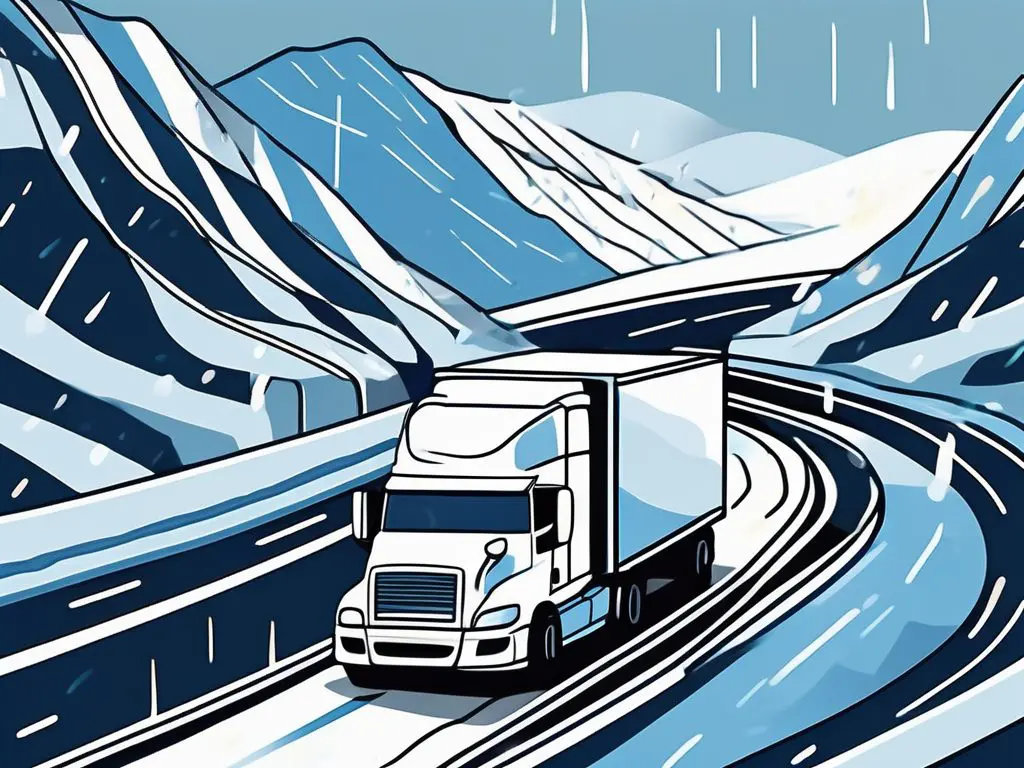
Weather conditions can have a significant impact on car shipping operations. Rain, snow, high winds, and extreme temperatures can all create challenges for car carriers. These conditions can make roads slippery, visibility poor, and increase the risk of accidents during transit. It is vital for car shipping companies to monitor weather forecasts and plan accordingly to ensure the safety of both their drivers and the transported vehicles.
How Different Weather Conditions Affect Car Shipping
Let’s take a closer look at how specific weather conditions can affect car shipping:
- Rain: Heavy rainfall can create slippery road conditions, posing challenges for car carriers. It can also lead to delays if weather conditions become severe.
- Snow and Ice: Cold weather conditions often result in snow and ice on roads, making them hazardous for transportation. Carriers may need to use additional safety measures or make adjustments to their routes to avoid areas with heavy snowfall.
- High Winds: Strong winds can make driving difficult, especially for larger vehicles like car carriers. Windy conditions increase the risk of accidents and damage to the transported vehicles.
- Extreme Temperatures: Extreme heat or cold can potentially affect the mechanical components of a vehicle. For example, extreme heat can cause engine overheating, while extreme cold can lead to battery failure or other issues. Car carriers must take appropriate measures to protect the vehicles from temperature extremes during transit.
Aside from these weather conditions, car shipping companies also need to consider other factors that may impact the transportation process. For instance, geographical features such as mountains or coastal areas can introduce additional challenges. Mountainous terrains may have steep and winding roads, requiring experienced drivers to navigate safely. Coastal areas, on the other hand, may expose vehicles to saltwater corrosion, requiring extra precautions to protect the vehicles.
Furthermore, seasonal changes can also affect car shipping operations. During the winter months, when snowstorms and blizzards are more common, car shipping companies may experience higher demand for enclosed transport options to protect vehicles from harsh weather conditions. On the other hand, during the summer months, extreme heat can lead to an increased risk of overheating, prompting carriers to take extra care in monitoring vehicle temperatures and ensuring proper ventilation during transit.
Weather-Related Challenges in Car Shipping
Delays and Disruptions Due to Weather
One of the most significant challenges faced by car shipping companies is delays caused by adverse weather. When weather conditions become unfavorable, it may be necessary to postpone shipments until the conditions improve. This can result in inconvenience for both the car shipping company and the customer.
Moreover, extreme weather events like blizzards or hurricanes can lead to road closures and unsafe driving conditions, further complicating the logistics of car shipping. In such cases, companies must closely monitor weather forecasts and make real-time decisions to ensure the safety of both their drivers and the vehicles being transported.
Weather-Induced Damage to Vehicles
Another potential challenge is the risk of weather-related damage to vehicles during transit. Hailstorms, for example, can cause dents and scratches to the exteriors of vehicles. Carriers must take precautions to protect the vehicles from such risks, such as using covered transport trailers.
In addition to hailstorms, heavy rain and snow can also pose threats to the vehicles being transported. Water damage, including rust and corrosion, is a common concern for car shipping companies operating in regions prone to heavy precipitation. To mitigate these risks, carriers often implement thorough vehicle inspections before and after transit, ensuring any damage caused by inclement weather is documented and addressed promptly.
Preparing for Weather-Related Issues in Car Shipping
Protective Measures for Car Shipping in Adverse Weather
To minimize the impact of adverse weather on car shipping operations, several protective measures can be implemented:
- Using covered transport trailers to shield vehicles from rain, snow, and other weather elements.
- Ensuring vehicles are securely strapped and protected against wind gusts.
- Implementing additional safety checks and maintenance procedures on vehicles before transit to detect and address any weather-related vulnerabilities.
Moreover, some car shipping companies go the extra mile by equipping their transport trailers with advanced weather monitoring systems. These systems provide real-time updates on weather conditions along the shipping route, allowing for immediate adjustments to be made to ensure the safety of the vehicles onboard.
Weather Forecasting and Car Shipping Schedules
Keeping a close eye on weather forecasts is crucial for car shipping companies. By monitoring weather patterns in advance, companies can make informed decisions regarding the scheduling of shipments. This helps minimize the risk of delays and ensures the safety of the vehicles being transported.
In addition to monitoring general weather patterns, some companies also employ meteorologists or weather experts to provide specialized forecasts tailored to specific shipping routes. This proactive approach enables companies to anticipate potential weather-related challenges and proactively adjust their schedules to avoid any disruptions in the delivery process.
Weather and Car Shipping: Safety Considerations
Safety Risks in Car Shipping During Bad Weather
Car shipping during bad weather conditions poses various safety risks. Reduced visibility, slippery roads, and the potential for accidents make it essential for car carriers to prioritize safety. Drivers must be adequately trained to handle adverse weather conditions and be familiar with emergency protocols.
Additionally, extreme weather conditions like heavy rain, snowstorms, or high winds can significantly impact the transportation of vehicles. These conditions not only affect the safety of the drivers but also the condition of the vehicles being transported. It is crucial for car shipping companies to stay informed about weather forecasts and have contingency plans in place to ensure the safe delivery of vehicles.
Mitigating Weather-Related Safety Risks in Car Shipping
To mitigate safety risks during car shipping, companies can take the following measures:
- Educating drivers about safe driving practices in different weather conditions.
- Equipping vehicles with safety features such as anti-lock braking systems and traction control to enhance stability during transit.
- Implementing regular maintenance and inspections of car carriers to ensure their roadworthiness.
Moreover, establishing clear communication channels between drivers, dispatchers, and weather monitoring services is essential for real-time updates on changing weather conditions. By fostering a culture of safety and preparedness, car shipping companies can minimize risks and ensure the secure transportation of vehicles even in challenging weather scenarios.
The Economic Impact of Weather on Car Shipping
Cost Implications of Weather-Related Delays and Damage
Weather-related delays and damage can have economic implications for both car shipping companies and customers. Delays may result in additional costs, such as storage fees or alternative transportation arrangements. Moreover, repairing weather-related damage to vehicles can be expensive and time-consuming.
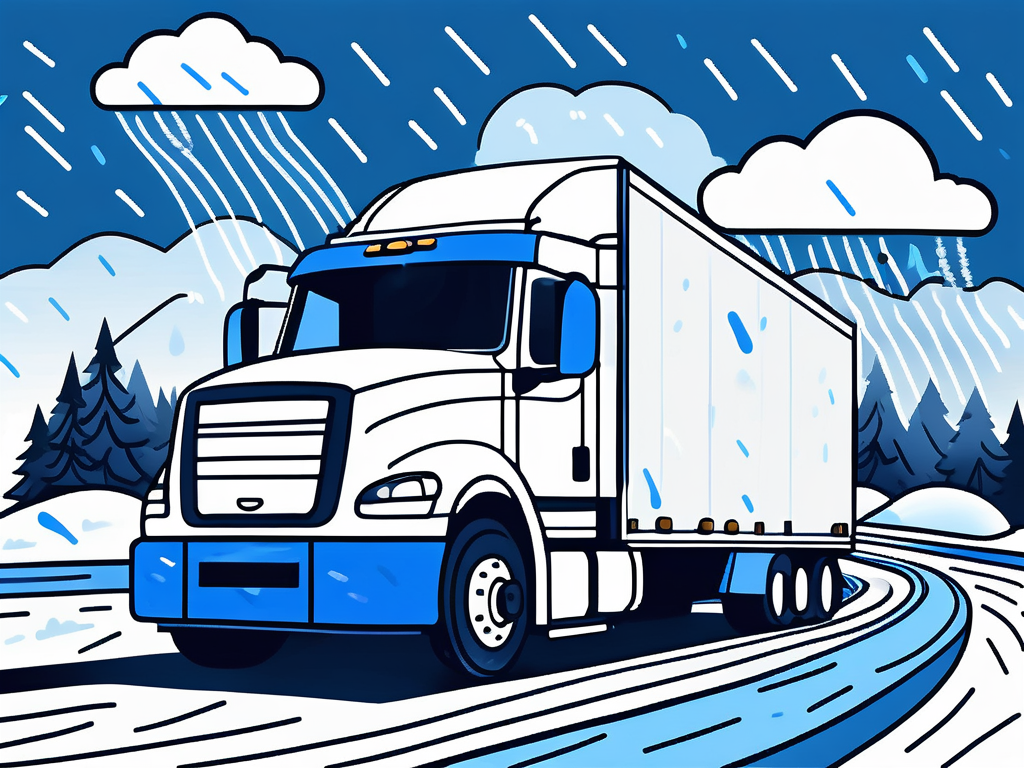
For car shipping companies, weather-related delays can disrupt carefully planned schedules, leading to inefficiencies and potential revenue loss. In cases of severe weather events, such as hurricanes or snowstorms, operations may be temporarily halted for the safety of employees and vehicles. This downtime can have a significant financial impact on the company, affecting not only current shipments but also future bookings.
Weather and Its Influence on Car Shipping Rates
Weather can also influence car shipping rates. Adverse weather conditions increase the risk associated with transportation, which can lead to higher insurance premiums for car shipping companies. These additional costs may be reflected in the shipping rates offered to customers.
Furthermore, unpredictable weather patterns caused by climate change pose a long-term challenge for the car shipping industry. As extreme weather events become more frequent, companies may need to invest in specialized equipment and training to mitigate risks and ensure the safe delivery of vehicles. These investments can impact operating costs and, ultimately, the pricing structure for car shipping services.
Conclusion
In conclusion, weather has a significant impact on the car shipping industry. From affecting the efficiency and safety of transportation to causing delays and damage, it is crucial for car shipping companies and customers to be aware of weather-related challenges. By implementing protective measures, monitoring weather forecasts, and prioritizing safety, car shipping providers can minimize the impact of adverse weather on their operations. Additionally, using platforms like Central Dispatch for vehicle shipping helps streamline load management and improve overall efficiency, ensuring that vehicles are transported safely and on time.

Don’t let unpredictable weather conditions disrupt your car shipping plans. Trust Long Distance Towing to provide reliable and secure nationwide auto transport, no matter the climate. With a vast network of over 10,000 dependable carriers, we ensure your vehicle arrives safely at its destination, whether it’s a cherished classic car or a project waiting for restoration. Experience the peace of mind that comes with our full-service transportation, from pickup to delivery. Ready to protect your vehicle against the elements? Get A Quote Today and let us handle the details of your cross-country car towing needs.