
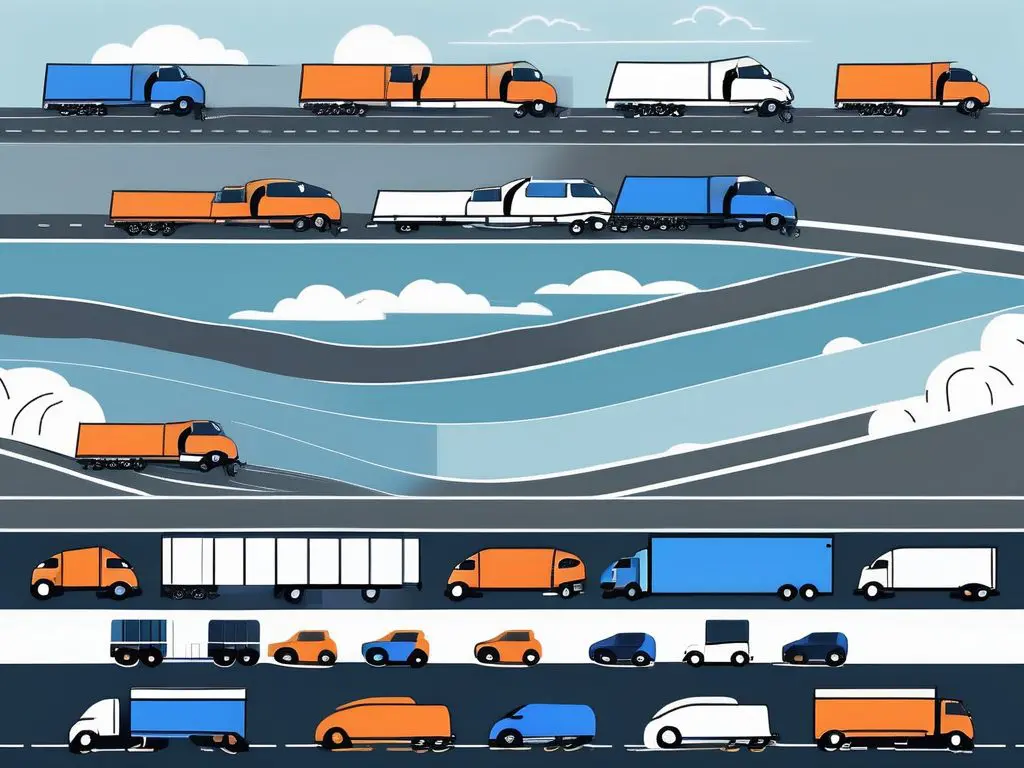
In the world of auto transport, there are two primary methods to consider: open auto transport and enclosed auto transport. Each option has its own set of benefits and drawbacks, and understanding these differences is crucial for making an informed decision. Whether you are a car enthusiast looking to transport your prized vehicle or a dealer moving multiple cars, choosing the right transport method can ensure a smooth and hassle-free experience.
Understanding Auto Transport
What is Open Auto Transport?
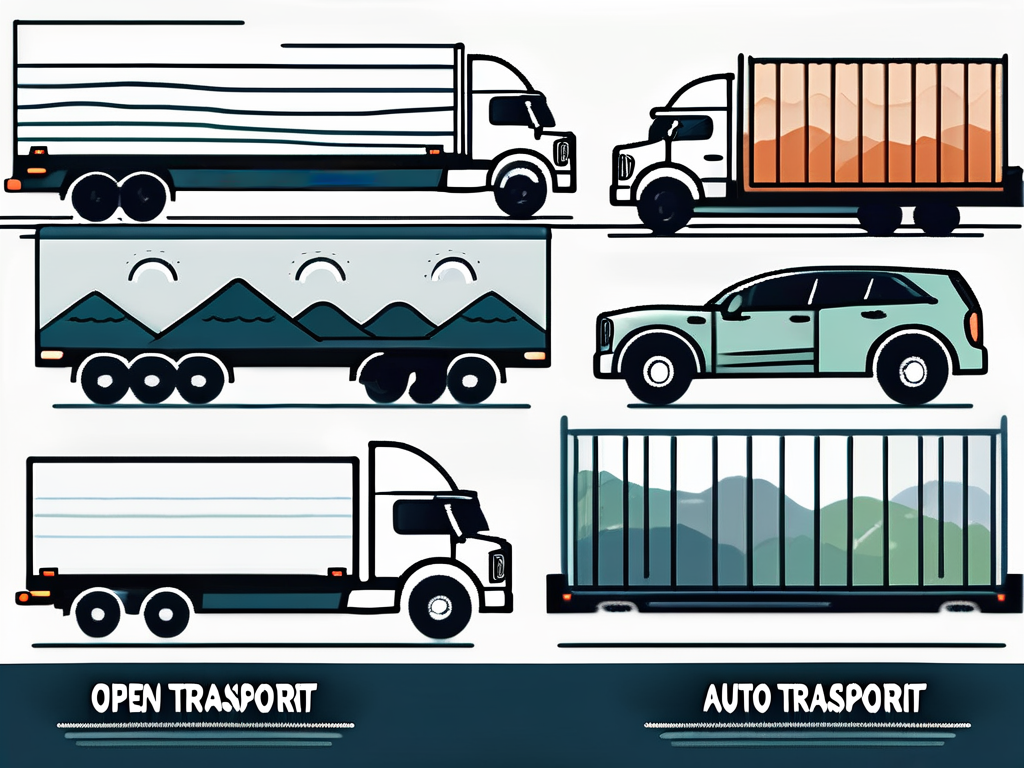
Open auto transport is the most common and widely used method for shipping vehicles. In this approach, vehicles are transported on open carriers, typically in a two-level or multi-level configuration. These carriers are similar to the ones you see on highways, carrying new cars to dealerships across the country.
Open auto transport is known for its affordability and availability. Since these carriers can transport multiple vehicles at once, the cost per vehicle is generally lower compared to enclosed transport. Additionally, there are usually more open carriers available, resulting in shorter lead times and faster delivery.
One of the advantages of open auto transport is the visibility it offers to both the drivers and other motorists on the road. This increased visibility can help in ensuring the safety of the vehicles being transported, as any issues or incidents can be quickly identified and addressed. Moreover, the open design of these carriers allows for easier inspection of the vehicles during loading and unloading processes, ensuring that everything is handled with care.
What is Enclosed Auto Transport?
Enclosed auto transport, as the name suggests, involves transporting vehicles in enclosed trailers. These trailers provide added protection from the elements and other potential hazards during transit. They are typically equipped with soft-tie straps or wheel cradles to prevent any damage to the vehicles.
Enclosed auto transport is often chosen for high-end, classic, or collector cars where extra safety and security are paramount. This method ensures that the vehicle remains shielded from weather conditions, road debris, and potential theft or vandalism. While it offers enhanced protection, it comes at a higher price point due to the limited number of vehicles that can be transported at once.
Moreover, enclosed auto transport provides a level of privacy for the vehicles being shipped. This can be particularly appealing for owners of luxury or exotic cars who prefer to keep their vehicles out of the public eye during transit. The enclosed trailers offer a sense of exclusivity and discretion, catering to the needs of clients who value confidentiality and prestige.
Factors to Consider When Choosing Auto Transport
Cost Differences
One of the most significant considerations when choosing between open and enclosed transport is the cost. Open auto transport is generally more cost-effective, especially for standard vehicles. The higher cost associated with enclosed transport is mainly due to the added protection and limited capacity. However, for valuable or delicate cars, the added investment may be worth the peace of mind.
Protection from Elements
The level of protection each method offers is another crucial factor to consider. Open auto transport, although reliable, exposes vehicles to the elements, including rain, dust, and sunlight. While most cars can withstand these conditions without significant damage, it is essential to evaluate the condition and value of your vehicle before deciding.
On the other hand, enclosed auto transport provides an extra layer of protection by shielding the vehicle from external elements. This can be particularly important for vintage or luxury cars, which may have sensitive exterior finishes or interiors that need to be preserved in pristine condition.
Enclosed carriers are equipped with advanced weatherproofing features such as sealed compartments and climate control systems. These measures ensure that your vehicle remains shielded from rain, dust, and harmful UV rays throughout the entire journey. So, if you own a rare classic car or a high-end sports car, opting for enclosed transport can give you peace of mind knowing that your prized possession is well-protected.
Vehicle Size and Type Considerations
The size and type of your vehicle play a vital role in your transport decision. Open carriers can accommodate various sizes and shapes of automobiles, including sedans, SUVs, and even motorcycles. However, oversized or custom vehicles may require specialized transport and may not fit within the dimensions of a standard open carrier.
Enclosed carriers, though limited in capacity, can easily handle large and bulky vehicles. This makes them a preferred choice for transporting exotic cars, classic cars, or any vehicle that requires extra care due to its size or unique features.
Moreover, enclosed carriers often come equipped with specialized loading equipment such as hydraulic lifts or ramps, making it easier to load and unload low-clearance vehicles or those with modified suspensions. This ensures that your vehicle is handled with utmost care, minimizing the risk of any damage during the loading and unloading process.
Pros and Cons of Open Auto Transport
Advantages of Open Auto Transport
One of the significant advantages of open auto transport is its affordability. This method is generally less expensive, making it a more economical choice for shipping vehicles. Additionally, the widespread availability of open carriers means shorter waiting times and faster delivery for your vehicle.
Open carriers are also ideal for standard vehicles without unique or delicate features. Since open transport exposes vehicles to the elements, these carriers are suitable for cars that can withstand potential debris or weather conditions without significant damage.
Another advantage of open auto transport is the visibility it provides. With open carriers, your vehicle is easily visible during transportation, which can provide peace of mind for some owners. This transparency allows for easy monitoring of your vehicle’s condition throughout the journey, ensuring that it arrives at its destination in the same state it was loaded.
Disadvantages of Open Auto Transport
The primary disadvantage of open auto transport is the lack of protection compared to enclosed transport. While minimal damage is rare, open carriers cannot fully shield vehicles from road debris, adverse weather conditions, or potential vandalism. If your vehicle has a higher value or has delicate features that require extra care, opting for enclosed transport may be a more suitable choice.
Furthermore, another drawback of open auto transport is the exposure to environmental factors. Vehicles transported via open carriers are subject to dust, dirt, and other environmental elements that may require additional cleaning upon arrival. This exposure can be a concern for owners looking to transport vehicles that require pristine conditions, such as classic cars or luxury vehicles.
Pros and Cons of Enclosed Auto Transport
Advantages of Enclosed Auto Transport
Enclosed auto transport provides added protection and security for your vehicle. With enclosed trailers, your car is shielded from the elements, including rain, dust, and debris. This method ensures that your vehicle arrives at its destination in the same pristine condition it was loaded.
In addition to protection, enclosed transport is preferred for high-value, classic, or collector vehicles. The climate-controlled environment and additional security measures offered by enclosed carriers reduce the risk of damage or theft during transit.
Moreover, enclosed auto transport offers a higher level of privacy for your vehicle. The opaque walls of the trailer conceal your car from prying eyes, providing peace of mind for owners of luxury or exotic vehicles. This added confidentiality can be especially appealing for those transporting unique or one-of-a-kind automobiles that they prefer to keep out of the public eye.
Disadvantages of Enclosed Auto Transport
The main drawback of enclosed auto transport is the higher cost associated with the added protection and limited capacity. The exclusivity of enclosed carriers affects their availability and, consequently, the waiting time for delivery. If cost is a significant factor or your vehicle is not of exceptional value, open auto transport may be a more practical choice.
Furthermore, another disadvantage of enclosed auto transport is the potential for limited accessibility at certain locations. Due to the size and design of enclosed trailers, they may face challenges when navigating narrow streets or tight turns in residential areas. This could result in the need for alternative drop-off points or shuttle services to transport the vehicle to its final destination, adding complexity to the delivery process.
Making the Decision: Open or Enclosed Auto Transport?
Assessing Your Needs and Priorities
Choosing between open and enclosed auto transport ultimately depends on your specific needs and priorities. Consider the value, condition, and vulnerability of your vehicle, along with your budget and timeline. If cost-efficiency, availability, and the ability to withstand elements are paramount, open auto transport may be the best fit. However, if added protection, security, and peace of mind are essential, enclosed auto transport is the preferred option.
Weighing the Pros and Cons
Take the time to assess the pros and cons of each method and weigh them against your personal circumstances. Evaluate the cost differences, level of protection, and the suitability for your vehicle type and size. By doing so, you can make an informed decision on whether open or enclosed auto transport is the best choice for your particular situation.
Regardless of the transport method you choose, it is crucial to work with a reputable and experienced auto transport provider. They can guide you through the process, address any concerns, and ensure the safe and timely delivery of your vehicle.
Ultimately, the decision between open and enclosed auto transport will depend on your unique needs and requirements. Understanding the differences and considering the factors mentioned above will help you make an educated decision and ensure your vehicle’s safe transportation.
Ready to transport your vehicle with confidence? Long Distance Towing offers nationwide, full-service auto transport for cars and motorcycles. Whether it’s a classic car or a project on wheels, we ensure your vehicle is handled with the utmost care. With a network of over 10,000 reliable carriers, we’re equipped to deliver your vehicle safely, no matter the distance. Don’t let the logistics of moving your car be a roadblock. Get A Quote Today and experience the ease of professional auto transport tailored to your needs.