
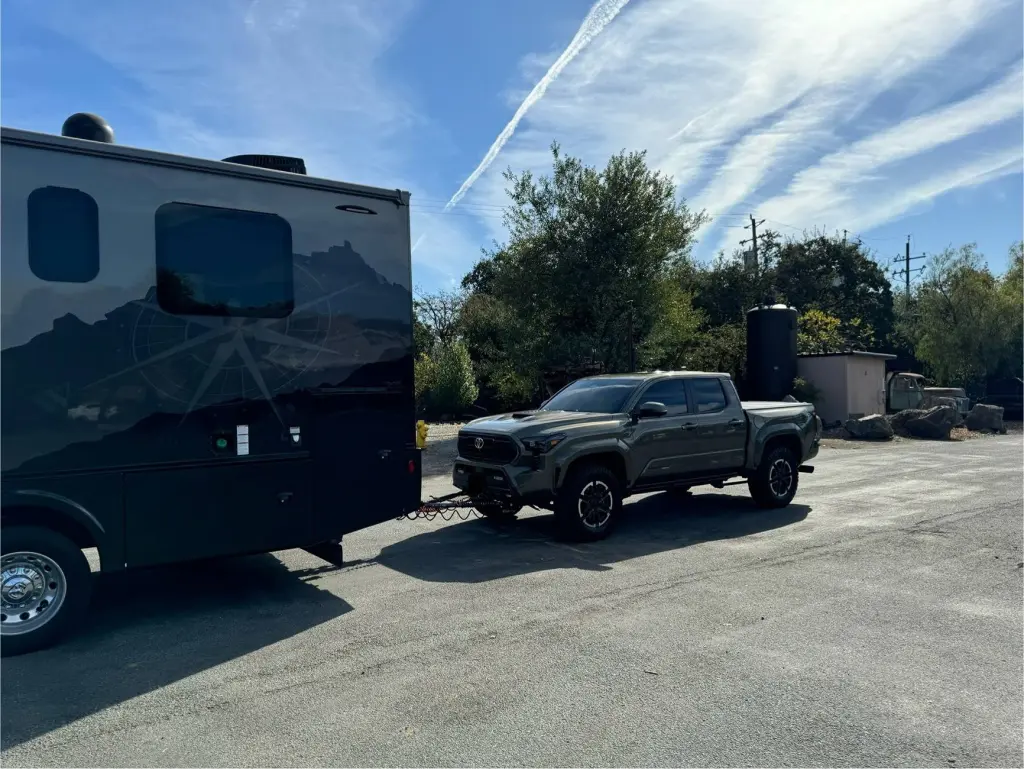
Need to tow a rear-, four-, or all-wheel-drive vehicle? You may need to disconnect the drive shaft first to avoid damaging the drivetrain.
This guide explains why it’s important and walks you through the step-by-step process so you can tow safely without costly repairs later.
How to disconnect drive shaft for towing?
To disconnect the driveshaft for towing, remove the bolts holding it to the differential and slide it out. This is essential to prevent damage to the drivetrain during towing.
Key Takeaways
- Disconnecting the drive shaft is crucial for towing certain vehicles, especially rear-wheel or all-wheel-drive models.
- The process involves lifting the vehicle, removing bolts, and carefully detaching the drive shaft from the differential.
- Always follow the vehicle manufacturer’s guidelines to avoid damage.
Why Disconnect the Drive Shaft?

Disconnecting the drive shaft is necessary for vehicles that need to be towed without causing harm to the drivetrain. Here’s why:
Prevents Drivetrain Damage
When towing a vehicle with the drive shaft connected, the wheels rotate and spin the transmission, which can damage the gearbox or other drivetrain components.
Prevents Overheating
With the drive shaft connected, towing can cause friction within the transmission, leading to overheating and potential transmission failure.
Protects Differential
The differential works together with the drive shaft to distribute power to the wheels. If the drive shaft is not disconnected, it can put undue stress on the differential, causing it to fail.
If you’re towing a vehicle with a manual or automatic transmission and a rear-wheel, four-wheel, or all-wheel drive system, disconnecting the drive shaft is typically recommended for safe towing.
Tools You Will Need
Before starting the process of disconnecting the drive shaft, gather the necessary tools:
- Car jack and jack stands: For lifting the vehicle and securing it.
- Socket wrench set: For removing bolts and screws.
- Penetrating oil: To loosen rusted or stuck bolts.
- Pry bar: For detaching the drive shaft from the differential.
- Rubber mallet: For tapping stubborn parts loose.
- Torque wrench: For reassembling the drive shaft correctly after towing.
Step-by-Step Guide: How to Disconnect a Drive Shaft for Towing
Follow these steps carefully to disconnect the drive shaft and ensure your vehicle is ready for towing.
Prepare the Vehicle
- Park on a flat surface: Ensure the vehicle is parked on a stable, flat surface, such as a driveway or parking lot.
- Apply the parking brake: Always set the parking brake to prevent the vehicle from rolling.
- Disconnect the battery: It’s a good idea to disconnect the vehicle’s battery to avoid any electrical mishaps while working on the vehicle.
Lift the Vehicle
Use a car jack to lift the vehicle. Make sure it’s high enough to access the drive shaft under the vehicle.
Place jack stands beneath the vehicle to ensure it remains securely elevated during the process.
Tip: Always use jack stands when working under a lifted vehicle. Never rely solely on a car jack for support.
Locate the Drive Shaft
The drive shaft is located beneath the vehicle, connecting the transmission to the rear axle or differential. It usually runs the length of the vehicle.
You may need to remove any covers or shields that are in the way to access the drive shaft.
Loosen the Bolts
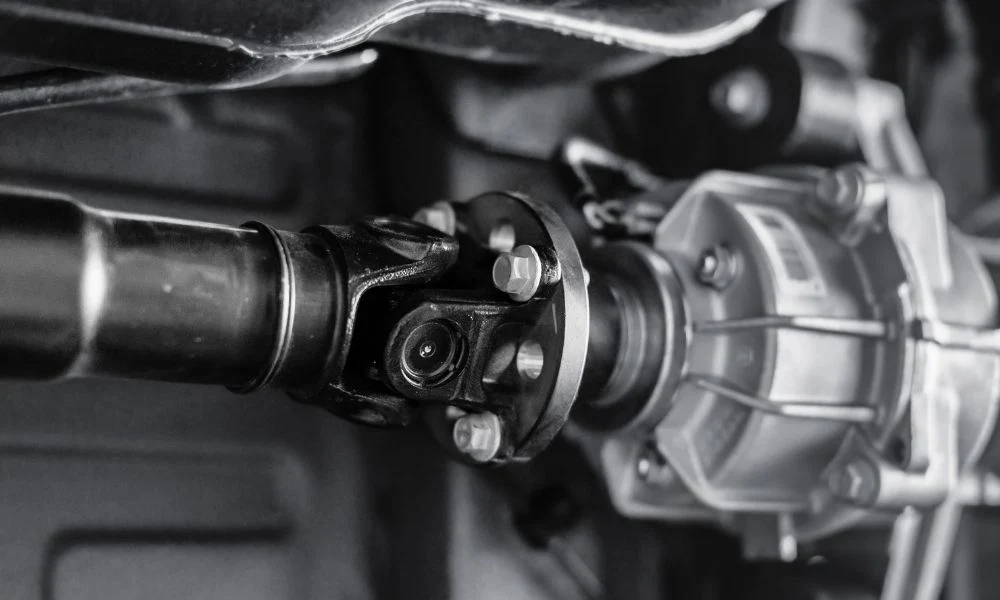
Using a socket wrench, start by loosening the bolts that secure the drive shaft to the rear axle or differential. In most vehicles, you’ll find four bolts that hold the shaft in place.
If the bolts are rusted or hard to remove, apply some penetrating oil and let it sit for a few minutes before attempting again.
Remove the U-Joint Bolts
Once the drive shaft is loose from the differential, you will need to remove the U-joint bolts. These bolts attach the drive shaft to the universal joints on both ends of the shaft.
Use the socket wrench to carefully remove these bolts.
Disconnect the Drive Shaft from the Transmission
The final step is to disconnect the driveshaft from the transmission. This can be tricky, as the drive shaft may be stuck due to rust or dirt.
Use a pry bar to gently separate the drive shaft from the transmission’s output shaft. Be careful not to damage any of the surrounding components while doing this.
Remove the Drive Shaft
Once all bolts are removed and the drive shaft is free from the differential and transmission, carefully slide the drive shaft out from under the vehicle.
If the drive shaft is heavy or difficult to remove, you may need help lifting it out.
Secure the Vehicle for Towing
With the drive shaft disconnected, the vehicle is now ready for towing.
Make sure the vehicle is securely positioned on the tow dolly or flatbed, and double-check that all components are stable.
Tips for a Successful Drive Shaft Disconnection
- Work Slowly: Take your time with each step to ensure that the drive shaft is completely disconnected without damaging any parts.
- Check Vehicle Manual: Always refer to the vehicle’s owner’s manual for specific instructions, as some vehicles may have unique configurations or require additional steps.
- Inspect the Drive Shaft: After disconnecting, check the drive shaft for any signs of damage, such as cracks or bending, before reinstalling it.
Frequently Asked Questions
1. Why do I need to disconnect the drive shaft for towing?
Disconnecting the drive shaft prevents damage to the transmission and drivetrain components by ensuring that they don’t spin while the vehicle is being towed.
2. Can I disconnect the drive shaft myself?
Yes, with the right tools and knowledge, you can disconnect the drive shaft yourself. However, if you’re unsure, it’s advisable to consult a professional.
3. How do I know if my vehicle needs the drive shaft disconnected for towing?
Rear-wheel, all-wheel, and four-wheel-drive vehicles generally require the drive shaft to be disconnected before towing. Consult your vehicle’s manual or a towing expert to be sure.
Conclusion
Disconnecting the drive shaft before towing is an important step to prevent damage to your vehicle’s drivetrain.
While the process can be done at home with the proper tools and knowledge, always make sure to follow the steps carefully.
If you encounter any issues or feel unsure, don’t hesitate to seek professional help.
Properly disconnecting the drive shaft ensures that your vehicle remains safe and protected while being towed.