
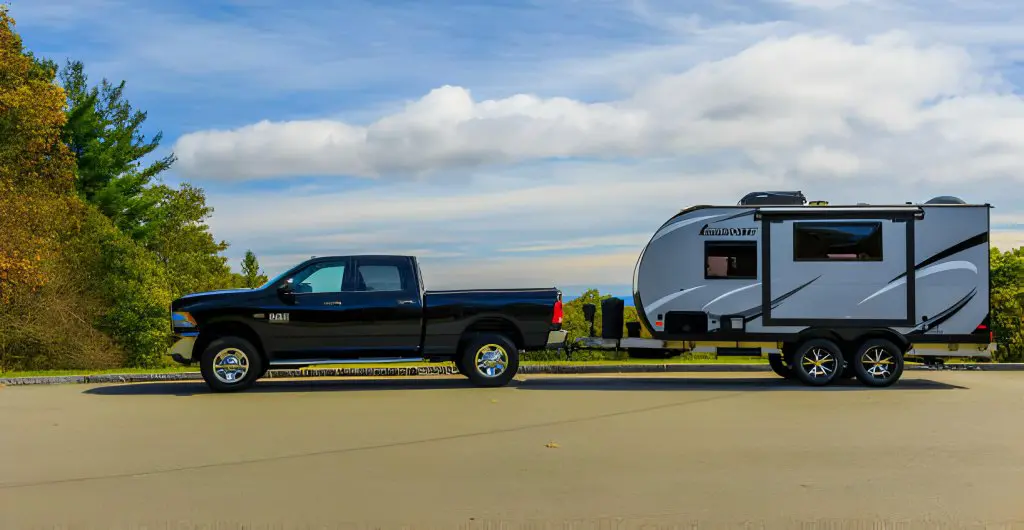
Your truck’s towing a trailer, but the ride feels like a trampoline. That bounce? It’s more than annoying—it throws off your control.
Whether you’re hauling gear to the job site or toys to the lake, the last thing you need is to feel like you’re riding a pogo stick.
The fix isn’t complicated, but it matters. A few key changes—like adjusting weight, checking gear, or setting proper tire pressure—can make the ride smoother fast.
We’re breaking down exactly how to eliminate truck bounce when towing. No tech jargon, no fluff. Just real fixes that keep your ride solid and your weekend plans rolling.
How to eliminate truck bounce when towing?
To eliminate truck bounce when towing, balance tongue weight, upgrade your suspension, use a weight distribution hitch, and maintain proper tire pressure for both truck and trailer.
Key Takeaways
- Truck bounce usually comes from bad weight balance, soft suspension, or poor tire pressure.
- Tongue weight should be 10–15% of the trailer’s total weight.
- A weight distribution hitch and upgraded shocks can seriously improve your ride.
- Even a small tweak in cargo placement can turn bounce into smooth cruising.
What Is Truck Bounce?
Truck bounce happens when the rear of your truck keeps bobbing after you hit a bump, especially while towing. It’s the up-and-down motion that makes your ride feel unstable and loose.
Most of the time, bounce happens when your trailer isn’t properly balanced. Too much weight in the wrong spot, soft suspension, or incorrect tire pressure can all trigger it. Even a mismatched hitch setup can throw things off.
It might seem like just a comfort issue, but it’s not. Bounce messes with your steering, slows down braking, and puts extra stress on your truck’s frame and suspension.
If your truck dips and rises like it’s nodding after every bump, that’s bounce in action. But don’t worry—some simple adjustments can get things back under control.
Why Truck Bounce Matters When Towing
1. It wrecks ride quality
You feel every bump like it’s trying to launch you. That bounce turns long drives into full-body workouts. It’s not just uncomfortable—it’s distracting.
2. It messes with control
A bouncing truck doesn’t just feel sketchy—it handles worse. Your tires lose grip, braking gets sloppy, and steering turns twitchy fast.
3. It puts wear on your gear
That trailer you love? It’s wearing out faster than it should. Bounce adds strain to your suspension, hitch, tires, and frame.
4. It risks your safety
Bounce can trigger sway, especially at higher speeds. One wrong bump and your setup might start drifting like it’s got a mind of its own.
Bottom line: Towing already comes with challenges. Don’t let bounce ruin the ride—or damage your equipment. Fix it early, ride smooth, and stay in control from point A to wherever you’re headed.
Common Causes of Truck Bounce While Towing
1. Tongue Weight Is Off
If it’s too light, your trailer bounces. Too heavy, and your truck’s front tires lose grip. Keep it between 10–15% of the trailer’s weight for balance.
2. The Load’s in the Wrong Spot
Stacking everything at the rear causes bounce. Keep heavy gear low and centered over the axles—like packing heavy tools at the bottom of a suitcase.
3. Suspension’s Worn or Too Soft
Stock suspension can struggle, especially near max capacity. Worn shocks or soft springs will sag and rebound too much. Time for an upgrade.
4. Tire Pressure Isn’t Right
Low pressure means sloppy handling. Overinflated tires create a harsh, bouncy ride. Check PSI before each haul and match the load ratings—not a guess.
5. Hitch Setup Is Mismatched
A basic ball hitch pulling a heavy trailer? That’s trouble. Use a weight distribution hitch to help spread the load and reduce bounce.
How to Eliminate Truck Bounce When Towing
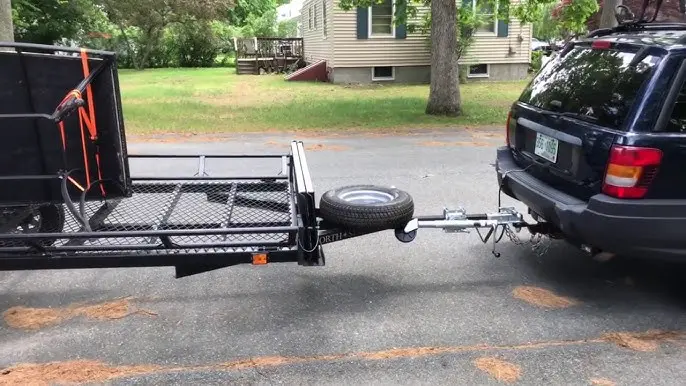
1. Adjust Your Tongue Weight
Your tongue weight should be 10–15% of your trailer’s total weight. Too little and it fishtails, too much and your truck squats. Use a tongue weight scale or estimate with a bathroom scale trick. Small shifts in cargo placement can make a big difference.
2. Redistribute Your Load
If your gear’s stacked in the back, you’re asking for bounce. Place heavy items over the axle and low to the ground. Keep everything balanced left to right.
3. Upgrade Your Suspension
Stock suspension isn’t made for serious towing. Add helper springs, airbags, or quality shocks. They’ll reduce sag, improve control, and make things smoother all around.
4. Use a Weight Distribution Hitch
If your ride feels like a seesaw, this is your fix. These hitches distribute weight evenly across axles and keep your setup level. Some models come with sway control—which really helps in crosswinds.
5. Check Tire Pressure
Underinflated tires make the whole setup unstable. Overinflated ones feel harsh. Check the pressure on both truck and trailer and stick to the recommended PSI. Don’t forget to factor in your load rating.
6. Keep Your Speed in Check
Speed exaggerates bounce. The faster you go, the harder each bump hits. Stick to a steady pace. Even 5 mph too fast can make a light trailer misbehave.
7. Don’t Tow Empty (Unless You Have To)
An empty trailer can bounce more than you’d expect. If you must tow light, take it slow and avoid rough roads. Some drivers add weight—like sandbags over the axle—for stability.
Bonus Tips for a Smoother Ride
- Install sway control bars: These reduce side-to-side motion, giving you more control, especially on windy roads or while changing lanes.
- Swap old shocks or struts: If your truck bounces with every bump, your suspension might be done. Fresh shocks help soak up impact and keep things steady.
- Avoid towing empty trailers: Empty trailers bounce more. Add some weight if possible—securely—and drive slower to keep things under control.
- Pick better roads: Rough backroads and potholes will shake your setup loose. Choose smoother routes whenever possible. Bounce loves bad pavement.
- Double-check your hitch height: If your trailer is nose-up or dragging at the back, the ride will suffer. Level things out to cut down on bounce right away.
Towing’s smoother when your setup isn’t fighting itself. These small changes? They’re your fast track to a stable haul.
When to Get Professional Help
If you’ve tried all the usual fixes and your truck still bounces, it’s time to call in the pros.
Strange clunks or poor handling could mean deeper issues—like worn bushings, broken mounts, or even frame damage. Don’t risk it.
Also, if you tow heavy often, having a shop review your suspension and setup is worth it. They’ll spot things you might not.
Bottom line: if your fixes aren’t fixing it, get a second opinion. A quick check now could save your trailer—and your trip—later.
Frequently Asked Questions
1. Does tongue weight affect bounce?
Yes. If it’s too light or too heavy, your trailer can bounce. Aim for 10–15% of the trailer’s weight on the hitch.
2. Will new shocks fix the issue?
They can help a lot, especially if the old ones are worn. But proper load balance and hitch setup still matter.
3. Is some bounce normal when towing?
A little movement is fine. But constant bounce means something’s off. Don’t ignore it—adjust your setup.
Conclusion
Truck bounce isn’t just annoying—it throws off control and wears down your setup. But fixing it is simpler than most think.
Small adjustments like redistributing your load, dialing in tongue weight, or upgrading shocks can make a huge difference.
Before your next haul, take a minute. Check your setup, make smart tweaks, and hit the road with confidence. Less bounce, more cruise.