
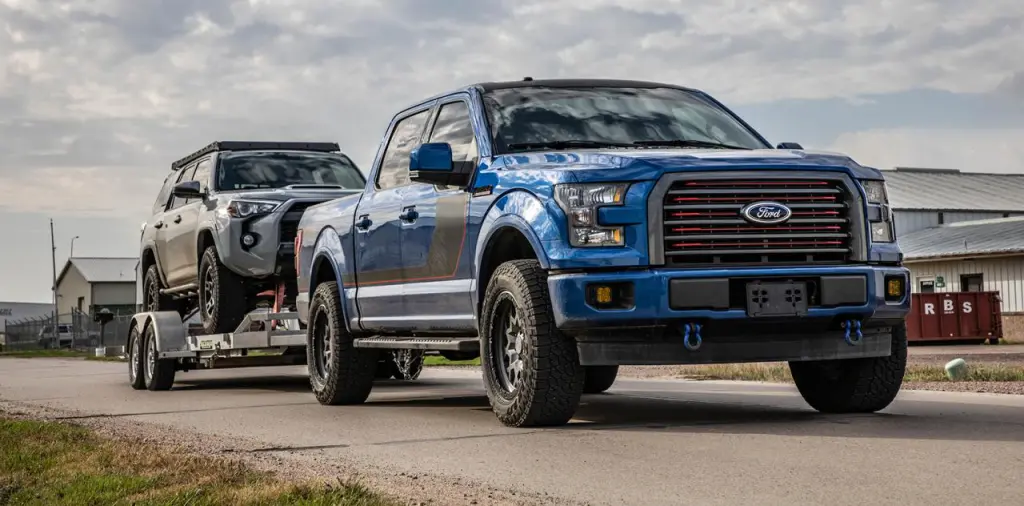
Lifting a truck looks cool. No argument there. But if you’re planning to tow anything, it’s not just about the flex.
You’ve got to think about balance, control, and how lifting affects towing capacity.
The good news? You can still tow with a lifted truck. You just need to do it right.
This guide breaks down how lifting affects towing—and how to stay safe while still keeping your ride looking like a boss.
Does lifting a truck affect towing?
Yes, lifting a truck affects towing capacity by reducing stability, changing suspension angles, and requiring key upgrades to maintain safety and control.
Key Takeaways
- Lifting a truck changes its towing dynamics.
- It affects balance, torque, braking, and stability.
- You can tow safely with a lifted truck if you upgrade the right parts.
- Suspension, brakes, hitch setup, and gearing need attention after lifting.
How Towing Works: The Basics
Towing isn’t just hook it up and hit the gas. Your truck is built to handle a specific amount of weight, and exceeding that limit affects control, safety, and vehicle wear.
The main things that matter? Towing capacity, hitch strength, and tongue weight. Too much weight in the wrong spot and that trailer’s swaying like it’s got a mind of its own.
Your stock suspension, brakes, and frame are tuned to handle towing within factory limits. Mess with the setup, like lifting the truck, and you’re also messing with how it all works together.
What Happens When You Lift a Truck
Lifting your truck changes more than the look. It affects rear suspension, steering, and driveline angles—core elements of how your truck tows and handles.
Lift kits often include taller springs, longer shocks, or spacers. These change how your truck handles bumps, shifts weight, and deals with trailer sway.
Lifting alters factory steering angles. This throws off alignment, makes turning feel looser, and can affect tracking—especially when towing.
A lifted truck sits higher, but so does its balance point. That extra height increases the risk of sway or tipping when pulling a load.
Oversized tires look great off-road. But without regearing, they reduce torque and hurt towing performance.
How Lifting Affects Towing Performance
1. Higher Center of Gravity = Less Stability
Lifting raises your truck’s center of gravity, which reduces stability. Expect more sway or roll—especially when cornering or facing crosswinds while towing.
2. Suspension Geometry Gets Funky
A lift kit messes with your truck’s natural stance. Axle angles, control arms, and shocks all shift. If the suspension’s not re-tuned for towing, the ride gets rough and less predictable under load.
3. Driveline Stress Is Real
Lifts change driveshaft angles, and towing piles on more strain. Without upgrades, expect faster wear or possible failure.
4. Braking Takes a Hit
Larger wheels and tires add weight. That means longer stops—especially with a trailer. Upgrade your brakes or add trailer brakes for safety.
5. Payload Ratings Might Be Off
The numbers on your door sticker? They don’t apply after a big lift. If you’re serious about towing, get your rig weighed and re-evaluate your setup with the new height in mind.
Can You Tow Safely with a Lifted Truck?
Yes, you can tow with a lifted truck. But don’t expect stock parts to carry the weight.
Lifting changes how your truck handles sway, braking, and tongue weight. That means your setup needs backup.
Heavy-duty shocks and springs are a must if you’re pulling serious weight. A basic lift won’t hold it down.
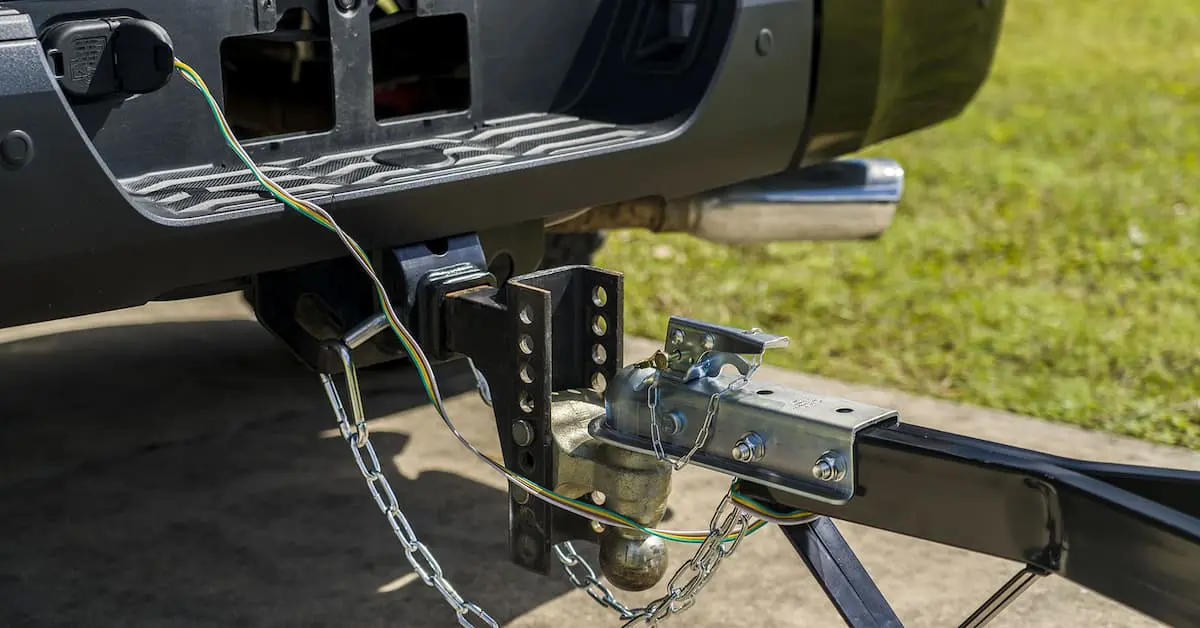
You’ll also want a proper drop hitch to keep the trailer level. If it’s tilted, control goes out the window.
Bigger tires? Cool. But they mess with torque. Regearing helps. Upgraded brakes help more.
Towing safely with a lifted truck isn’t a pipe dream. Just don’t skip the upgrades that keep things smooth.
Tips to Improve Towing with a Lifted Truck
1. Use a weight-distribution hitch
Lifting messes with how weight sits on your truck frame. A weight-distribution hitch helps keep things level so you’re not white-knuckling the wheel on every turn.
2. Upgrade your brakes
Bigger tires and extra weight mean your stock brakes might tap out early. Go for performance rotors and pads that can handle the haul without fading fast.
3. Regear your axles
That lift likely threw your gear ratios off. Regearing brings your power back so you’re not burning up the transmission pulling a trailer uphill.
4. Get your suspension right
Towing on soft springs? Nah. Swap in heavy-duty shocks or air bags to keep the ride tight and reduce squat when things get heavy.
Towing with style takes more than just a tall truck. Dial in the setup, then hit the road.
Common Mistakes to Avoid
- Skipping the re-gear: A lift throws off gear ratios. Without adjusting them, your towing performance and MPG take a serious hit.
- Ignoring suspension upgrades: Stock shocks can’t handle the added height and towing weight. Expect a sloppy ride with poor control.
- Overestimating towing capacity: A lift won’t boost your factory limits. Always check your numbers post-upgrade.
- Forgetting the alignment: Lift kits alter angles. Without alignment, your tires wear out fast—and your handling suffers.
Frequently Asked Questions
1. Can I still tow with a lifted truck?
Yep, you can. But you’ll need the right gear—think upgraded suspension, brake mods, and a solid hitch setup.
2. Does lifting kill my towing capacity?
Not completely, but it can take a hit. Some setups might shave off 10–20% of what your truck could originally handle.
3. Which lift is better for towing—body or suspension?
Body lifts usually mess with towing less. Suspension lifts look cooler but need more tweaks to stay safe with a trailer hooked up.
Conclusion
Lifting your truck isn’t a dealbreaker for towing, but it’s not a free pass either.
It changes how your truck handles weight, control, and road conditions.
If towing is on your agenda, don’t skip the essentials—upgrade your truck’s suspension system, brakes, hitch, and gears.
Looking good is great, but being road-ready? That’s the real win.
So, lift smart. Tow smarter. And keep the smoke in your tires—not from a blown transmission.