

Before you hit the road on your next adventure, whether it’s a road trip or a move, you may be tempted to pack your car to the max.
But is it actually legal to load your car full?
In this guide, we’ll dive into the legal limits, safety risks, and tips to pack your vehicle safely to avoid fines and ensure a smooth journey.
Is it illegal to pack your car full?
It’s not illegal to pack your car full, but overloading can be dangerous and violate weight limits, affecting your car’s safety and fuel efficiency. Keep within the recommended weight capacity.
Key Takeaways
- Weight Limits: There are legal weight limits for how much your car can carry.
- Overloading Risks: Overloading your car can lead to serious safety hazards and fines.
- Proper Packing: It’s important to distribute weight evenly and securely to avoid issues with handling.
Why Does It Matter How Much You Pack in Your Vehicle With Stuff?
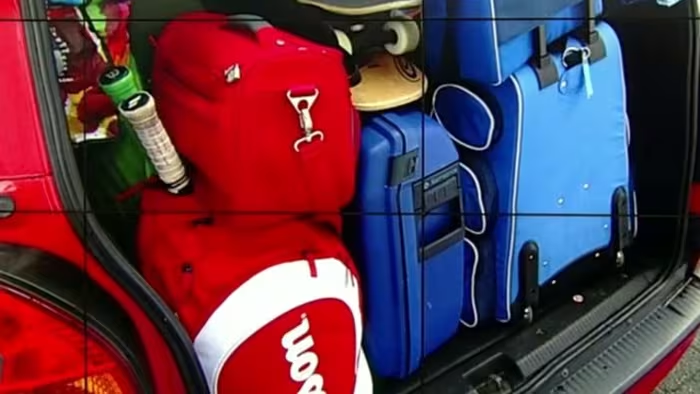
While it may seem like no big deal to throw a bunch of bags and boxes into your car, overloading your vehicle can lead to serious safety and legal concerns.
Let’s take a closer look at the factors involved.
When preparing for a road trip, moving house, or heading out on a big adventure, you might be tempted to pack your car full.
After all, the more you can fit, the less you have to leave behind, right?
But before you start loading your car to the brim, it’s important to know whether it’s actually legal to pack your car full, and what the consequences might be if you exceed the limits.
Whether you’re in California, Texas, or Florida, packing your car for a trip requires more than just cramming everything inside.
There are legal limits and safety concerns that you need to be aware of before you hit the road.
Wondering if it’s against the law to pack your car to the brim? Learn the legal limits for packing your vehicle, the risks of overloading, and how to pack your car safely for your next adventure.
1. Legal Weight Limits for Your Vehicle
Every car is designed with a specific weight capacity in mind, which includes both the gross vehicle weight (GVW) and the cargo capacity.
The GVW refers to the total weight of the car, including its passengers, cargo, and the car itself.
The cargo capacity is the weight of the items you can safely pack inside the vehicle.
2. How to Find Your Vehicle’s Weight Limit:
Check the owner’s manual for the vehicle’s maximum weight capacity.
Look for the label inside the driver’s door frame. It typically provides the GVWR (Gross Vehicle Weight Rating) and payload capacity.
Exceeding these limits can result in legal issues and potential fines if you’re caught by law enforcement or involved in an accident.
3. Overloading Risks and Safety Concerns
While it may be tempting to pack your car to the max, doing so can create several risks, including:
- Impaired Handling: Overloading a car can affect its braking distance, steering control, and suspension system, making it harder to drive safely. This can be especially dangerous in areas with hills or sharp turns, like in California mountain roads or New York city traffic.
- Increased Risk of Accidents: Overloading puts more stress on your car’s engine and tires, making it more likely that a tire could blow out or the engine could overheat.
- Damage to the Car: Excess weight can cause long-term damage to the suspension, tires, and braking system, leading to costly repairs.
It’s important to ensure that your car is not overloaded, as these risks are not only dangerous for you but also for other drivers on the road.
4. How the Law Views Overloading Your Car
Is it illegal to pack your car too full? In many cases, yes. While you may not always be pulled over for an overloaded vehicle, there are serious consequences if law enforcement catches you.
5. Legal Implications of Overloading:
- Fines: Depending on your state or country, you could face fines for overloading your vehicle. These fines vary by location and weight overage but can add up quickly.
- Liability in Accidents: If you’re involved in an accident while driving an overloaded car, you could be held liable for damages due to the vehicle not being properly loaded or in safe working condition.
- Towing and Impoundment: In extreme cases, if your car is too overloaded or you’re driving recklessly because of the excess weight, authorities might tow your vehicle or impound it.
Most states, including those in the USA, have laws that require vehicles to be within specific weight limits, and failing to comply can result in penalties.
How to Safely Pack Your Car Without Overloading
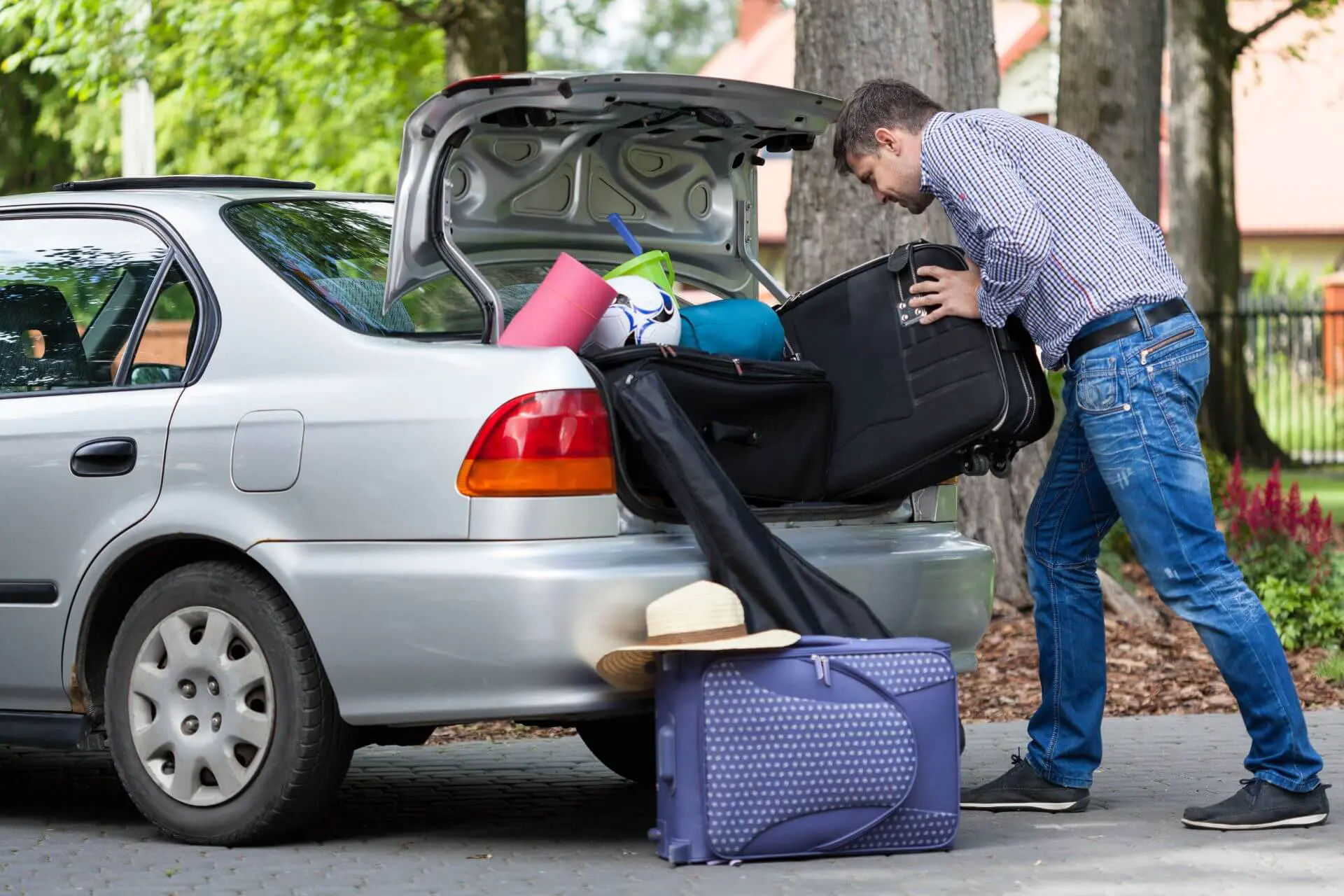
Now that we’ve established why you shouldn’t overload your vehicle, let’s talk about how to pack your car safely and efficiently for any trip.
1. Check the Weight Limits
Before you start packing, always check the payload capacity listed in your car’s manual or on the door frame label.
Knowing how much weight your car can safely carry is essential. Don’t forget to factor in the weight of the driver and passengers when calculating the weight of your cargo.
2. Distribute the Weight Evenly
Packing a car is not just about shoving as much as you can into the trunk. The weight should be distributed evenly to prevent the car from handling poorly.
3. Tips for Proper Weight Distribution:
Place heavier items at the bottom and towards the centre of the car. Use roof racks for larger items like luggage or bikes to free up space inside the car.
Balance the load by distributing items across the rear and front of the car to ensure stability. This will help maintain the car’s balance, avoid tipping, and make it easier to drive.
4. Pack Smart with Roof Boxes or Racks
If you need to transport bulky items that won’t fit in the trunk, consider using a roof box, roof rack, or hitch-mounted carrier.
These tools are designed to safely carry additional cargo without exceeding the vehicle’s weight capacity.
5. Benefits of Roof Racks and Boxes:
- Extra Storage: Roof boxes and racks provide additional space for bulky items like luggage, skis, or camping gear.
- Increased Safety: By keeping your vehicle’s interior clear, you reduce the risk of shifting items or blocking your rearview mirror, enhancing your safety.
Make sure that the roof racks and boxes you use are securely installed and that the weight of the items is evenly distributed.
6. Follow Local Laws and Regulations
Different states may have different regulations for car loading.
In California, New York, or Texas, check for any specific local ordinances regarding how much weight your car can carry or if there are specific rules about what can be packed on the roof.
7. Common Regulations:
Avoid blocking your view with items on the roof or inside the car. Don’t extend your load beyond the width or height limits set by the state.
Always tie down loose items to prevent them from falling out or causing accidents.
Frequently Asked Questions
1. Can I legally overload my car for a road trip?
No, there are strict weight limits for vehicles. Overloading can result in fines and damage to your vehicle. Always check your car’s capacity before packing.
2. What should I do if I have more items than my car can carry?
Consider using a roof rack, roof box, or hitch-mounted carrier to safely carry extra items without exceeding your car’s weight limit.
3. Are there penalties for overloading my car?
Yes, overloading your vehicle can result in fines, impoundment, and liability for accidents caused by the excess weight. Always ensure you’re within legal limits.
Conclusion
Packing your car to the brim might seem convenient, but it’s crucial to be aware of the legal weight limits, safety concerns, and regulations involved.
Overloading your car can result in fines, safety hazards, and damage to your vehicle.
By following the tips for packing your car safely, using proper tools like roof racks, and staying informed about local laws, you can ensure that you are driving safely and legally.
Remember, it’s always better to pack with caution than to risk an unsafe and costly situation.
Whether you’re heading out for a weekend getaway in Florida or moving across California, knowing how to pack your car the right way will help you avoid the stress of overloading and keep your journey safe.