

Losing your car to a tow company can be overwhelming, especially when you don’t know how long they can hold your car before selling it. This guide explains key timelines, laws, and actions you can take to protect your rights and avoid complications.
How long before a tow company can sell your car?
A tow company can sell your car within 10-30 days, depending on state laws, after unpaid fees or abandoned status. Always act quickly to reclaim your car.
Key Takeaway
- Tow companies can sell your car within 10–30 days, depending on state laws.
- Pay towing and storage fees promptly to prevent escalating costs.
- Stay informed about local regulations to avoid abandoned vehicle status.
- Respond quickly to notices and maintain clear communication with the tow company.
- Seek legal advice if you suspect unfair practices or rights violations.
If you want more info on how long a tow company can keep your car or hold your vehicle, continue reading as I’m about share more details below.
Reasons a Tow Company Might Sell Your Car
Unpaid Towing or Storage Fees
Tow companies are allowed to sell your car if you fail to pay towing or storage fees within a legally set timeframe. These fees can escalate rapidly, particularly if your vehicle remains in the impound lot for weeks.
Contact the tow company promptly to understand your balance and available payment options.
Abandoned Vehicle Status
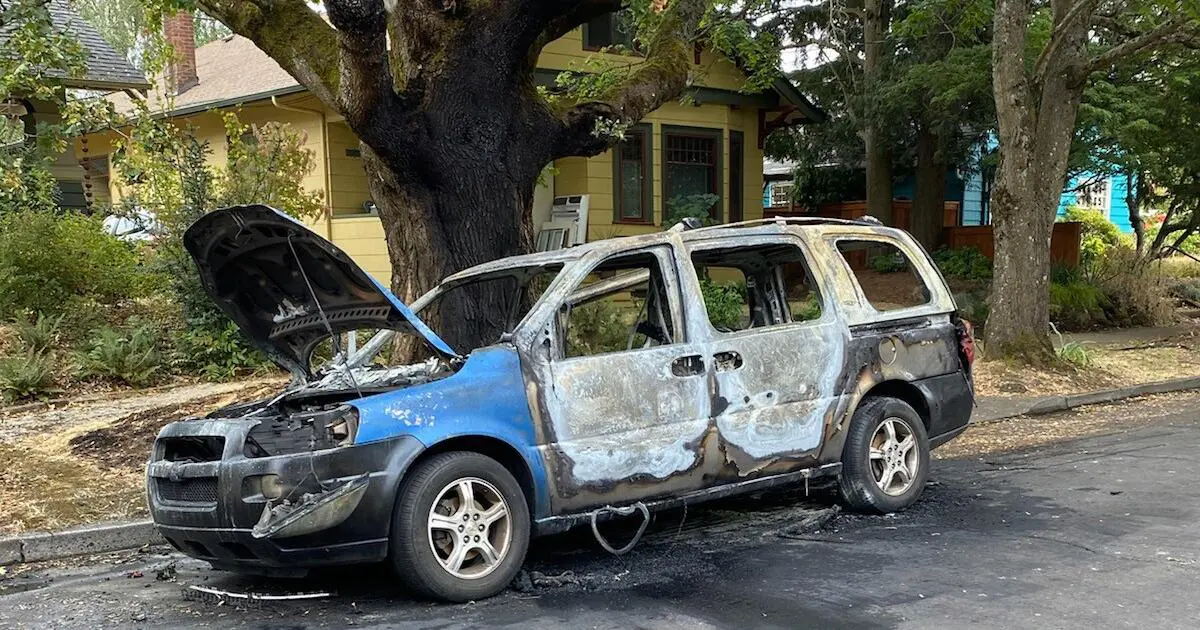
Your car might be considered “abandoned” if not claimed within the legal timeframe set by your state. Once this happens, the tow company is permitted to begin the selling process.
Familiarise yourself with local laws and act quickly to recover your car before it is officially marked as abandoned.
Lien Laws and Claim Processes
Many states permit tow companies to place a lien on your car to recover unpaid fees. If the lien goes unpaid, they can legally sell your vehicle to recover costs. Request clear information about the lien process and deadlines to avoid unexpected issues.
Understanding these reasons can help you take quick action. Always stay informed about your rights and the specific laws in your area to prevent losing your car unnecessarily.
Legal Timeframes for Selling a Towed Car
General Guidelines Across States
The waiting period before a tow company can sell your car varies by state, typically ranging from 10 to 30 days. During this time, you can claim your vehicle by paying outstanding fees or resolving disputes.
Research your state’s specific laws immediately after your car is towed to protect your rights.
Notice Periods and Requirements
Tow companies must usually notify you before selling your car, often via mail. The notice includes information on fees owed, the deadline for reclaiming your vehicle, and the potential sale date.
If you haven’t received a notice, contact the company to confirm your contact details and request the required information.
Deadlines for Paying Fees or Reclaiming the Vehicle
The timeframe to pay towing and storage fees is limited, and missing it may lead to your car being sold. Many states provide a grace period, such as 15 days, to allow you time to respond. Keep clear records of payments and communications to avoid disputes.
How Tow Companies Handle Auctions
After the legal waiting period, tow companies typically sell unclaimed cars at public auctions. They must follow local auction regulations, including proper advertising and transparency. If your car is scheduled for auction, you might still reclaim it by paying the fees before the sale starts.
Knowing these legal timelines helps you act quickly to avoid losing your car. Reach out to the tow company and consult local regulations to understand your options and protect your property.
What Happens Before a Tow Company Can Sell Your Car
Issuing Notices to the Vehicle Owner

Before a tow company can sell your car, they are typically required to notify you. These notices often arrive by mail and include information about the towing charges, storage fees, and deadlines for claiming your car.
If you suspect your car was towed and haven’t received a notice, contact local authorities or the tow company directly to confirm its location and status.
Verification of Ownership and Lien Filing
Tow companies must verify vehicle ownership and may file a lien for unpaid towing or storage fees. This lien gives them the legal right to sell your car if fees remain unpaid.
You can request details about the lien process and any documentation they’ve filed to understand your position and prevent further complications.
Advertising the Sale or Auction
In most states, tow companies must advertise the sale or auction of a car as part of the process. This could include placing notices in newspapers, online platforms, or public bulletin boards.
If your car is scheduled for auction, there’s often a final opportunity to reclaim it by paying the fees before the sale begins.
Compliance with State Regulations
Tow companies are bound by state-specific laws governing how they handle and sell vehicles. These laws ensure fair practices and protect your rights as the owner.
If you believe the company isn’t following these laws, consider consulting an attorney or filing a complaint with local authorities.
Understanding these steps can help you stay ahead and prevent the loss of your vehicle. Act quickly, communicate with the tow company and know your rights to resolve the situation efficiently.
How to Prevent Your Car from Being Sold by a Tow Company

Pay Towing and Storage Fees Promptly
The quickest way to prevent your car from being sold is to settle towing and storage fees as soon as possible. These fees often increase daily, so delaying can make the cost unmanageable.
If you can’t pay in full, ask the tow company about payment plans or partial payments to avoid further action.
Retrieve Your Car Before Deadlines Expire
Every state has a specific timeframe during which you can claim your vehicle before it’s eligible for sale. This period often ranges from 10 to 30 days, depending on local laws.
Contact the tow company immediately after your car is impounded to find out the exact deadline and start the reclaiming process.
Understand and Exercise Your Rights
As the vehicle owner, you have rights that protect you from unfair practices. Tow companies are legally required to notify you of fees, deadlines, and pending auctions. If you haven’t received proper notice, request the information in writing.
You can also contact local authorities or a legal advisor to ensure your rights are being respected.
Communicate with the Tow Company
Proactive communication can make a big difference. Call the tow company, explain your situation, and ask if they can work with you to reclaim your car. Some companies may offer extensions or reduced fees if you demonstrate good faith.
Seek Legal Assistance if Necessary
If you believe the tow company is acting unfairly or not following state laws, consult an attorney. They can guide you through your legal options and, in some cases, stop the sale of your vehicle.
Acting quickly and staying informed can save you time, money, and the hassle of losing your car. Always keep documents, receipts, and communication records to support your case.
Consequences of Not Reclaiming a Towed Car
Financial Loss

If you don’t reclaim your car, it may be sold to cover towing and storage fees. Unfortunately, the sale price often doesn’t match the vehicle’s value, leaving you with a significant financial loss.
Additionally, if the sale doesn’t cover all fees, you might still be responsible for the remaining balance.
Impact on Credit
Unpaid towing or storage fees can be reported to credit agencies, harming your credit score. This could make it harder to secure loans or credit in the future. To avoid this, pay outstanding fees promptly or negotiate payment terms with the tow company.
Loss of Ownership
Failing to retrieve your car allows the tow company to legally transfer ownership to the buyer. Once sold, the car is no longer yours, and you cannot claim it back.
Acting quickly and understanding your state’s deadlines can prevent this from happening.
Potential Legal Issues
Some states impose penalties or fines for failing to address abandoned vehicle notices. These fines can add to your financial burden and complicate the situation further. Check with local authorities if you’re unsure about the implications of not reclaiming your car.
Understanding these consequences underscores the importance of prompt action. Reaching out to the tow company and staying informed about your rights can help you avoid unnecessary financial and legal problems.
State-Specific Examples of Tow Company Regulations
California
In California, tow companies must notify the vehicle owner within 120 hours (5 days) of towing. Owners typically have 15 days to reclaim their car before it can be sold. If you act within this window, you can avoid additional fees or the loss of your vehicle.
Texas
In Texas, tow companies must send a notice within 7 days of impounding a vehicle. Owners generally have 20 days to pay fees or contest the towing before the car is eligible for sale. Check with your local DMV to ensure you’re following the proper steps to reclaim your car.
Florida
In Florida, tow companies are required to notify owners by certified mail within 7 days. The state allows cars to be sold at public auctions if not reclaimed within 35 days. Acting promptly and contacting the company can help you resolve the issue.
Understanding the rules in your state is key to avoiding complications. Check with your local DMV or law enforcement for specific guidelines that apply to your situation.
Frequently Asked Questions
1. How long does a tow company have to notify you?
This varies by state but is typically within 5–7 days. Notices are usually sent by mail to the vehicle’s registered owner.
2. Can you reclaim your car after it’s sold?
No, once sold, ownership transfers to the buyer. Acting promptly is essential.
3. What if you can’t pay the fees?
Contact the tow company to discuss payment options or seek legal advice to explore alternatives.
Conclusion
Losing your car to a tow company can be stressful, but understanding the timelines and legal processes can help you avoid unnecessary complications. Each state has specific rules, so it’s crucial to act promptly and stay informed about your rights.
Whether it’s paying fees, addressing notices, or seeking legal help, taking proactive steps can save your vehicle. Communicating with the tow company and keeping records can also make the process smoother.
Stay vigilant, follow local laws, and don’t hesitate to seek help if needed to protect your property.