
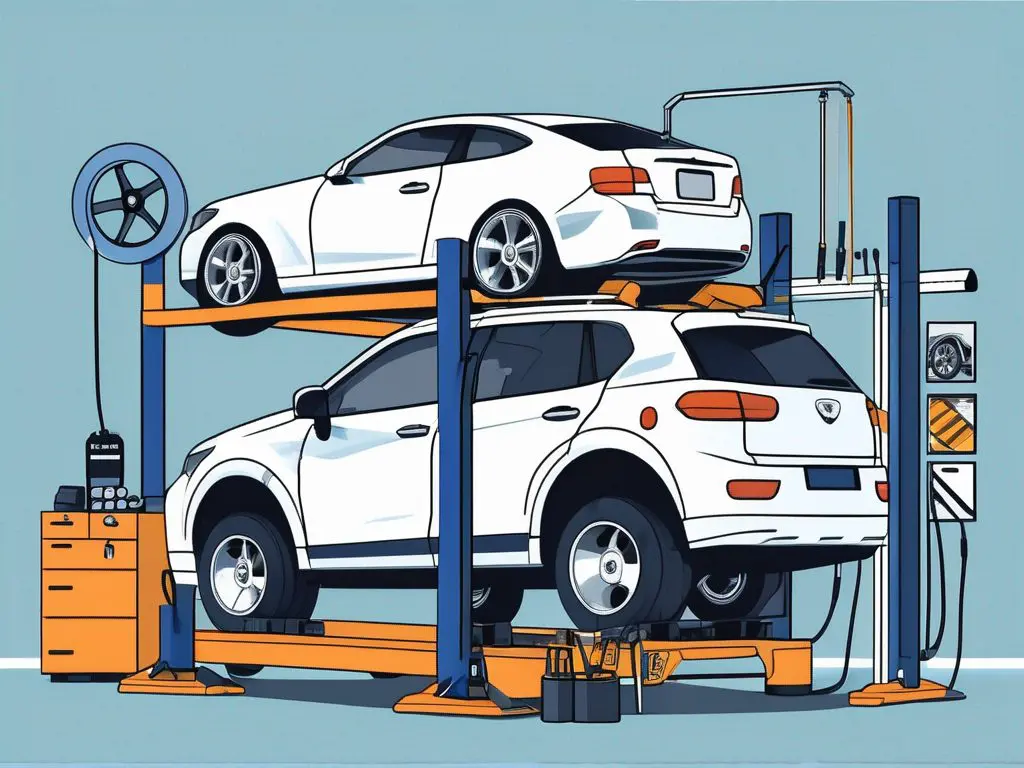
When preparing for a long distance towing journey, ensuring that your vehicle is in optimal condition is paramount. A thorough vehicle inspection not only helps in preventing mechanical failures but also enhances safety, reduces financial liabilities, and ensures compliance with legal requirements. In this article, we will delve into the importance of vehicle inspections, outlining the fundamental aspects, processes, and best practices to follow for a secure towing experience.
Understanding the Basics of Vehicle Inspection
Vehicle inspection serves as a crucial safeguard against potential mishaps during the towing process. It involves a systematic examination of various mechanical and safety features of a vehicle to ensure they are functioning correctly. This proactive approach helps in identifying issues that could lead to accidents or breakdowns along the route. Regular inspections not only enhance safety but also contribute to the longevity of the vehicle, allowing it to perform optimally over time.
Moreover, understanding the components of vehicle inspection empowers owners and drivers to take suitable measures in maintaining their vehicles, allowing them to prioritize safety over convenience. Knowledge of what to look for during inspections can save drivers from costly repairs and unexpected breakdowns, ultimately leading to a more reliable driving experience. This awareness fosters a sense of responsibility among vehicle owners, encouraging them to adopt a routine that supports both their safety and that of others on the road.
The Role of Vehicle Inspection in Safe Towing
The primary role of vehicle inspection in the context of towing is to foster safety. A properly inspected vehicle is less likely to experience failures that could affect not only the driver and passengers but also other road users. Inspections help in identifying problems like tire wear, brake performance, and fluid levels, all critical for safe towing operations. Additionally, ensuring that towing equipment, such as hitches and safety chains, is in good condition is essential for preventing accidents during the towing process.
Moreover, regular inspections instill a habit of vehicle maintenance, leading to increased awareness of the vehicle’s condition and performance. This vigilance can prevent dangerous situations that arise from neglecting your vehicle’s needs. By adopting a proactive approach to vehicle care, drivers can also enhance their understanding of how different factors, such as load distribution and towing capacity, impact overall vehicle performance. This knowledge not only contributes to safer towing practices but also promotes a culture of responsible driving.
Key Components of a Comprehensive Vehicle Inspection
A comprehensive vehicle inspection should cover several crucial components, including:
- Tires: Checking for proper inflation, tread depth, and visible wear.
- Brakes: Assessing brake pads, fluid levels, and responsiveness.
- Lights: Ensuring that headlights, brake lights, and turn signals are functional.
- Fluids: Checking oil, coolant, brake fluid, and transmission fluid levels.
- Battery: Inspecting terminals for corrosion and testing battery charge.
By focusing on these key components, drivers can significantly reduce the risk of failures or accidents during towing, thereby ensuring a safer journey. Furthermore, it is beneficial to incorporate seasonal checks, as changes in weather can affect vehicle performance. For instance, colder months may necessitate additional attention to battery health and tire conditions, while summer may require checks on coolant levels and air conditioning systems. By adapting inspection routines to seasonal demands, drivers can maintain optimal vehicle performance year-round.
The Consequences of Neglecting Vehicle Inspection
Failing to perform regular vehicle inspections can lead to serious consequences that extend beyond mere inconvenience. Neglecting this vital process can result in mechanical failures, financial losses, and legal issues that could easily be avoided with a little diligence.
Understanding these potential consequences serves as a motivation for vehicle owners and operators to prioritize thorough inspections before embarking on long distance towing journeys.
Potential Risks and Hazards
The risks associated with neglecting vehicle inspections are significant. Mechanical failures can lead to loss of control, tire blowouts, or brake failures while towing, all of which pose severe hazards on the road. Not only can these incidents result in injury or fatalities, but they can also cause extensive damage to property.
Additionally, drivers can face psychological distress from accidents caused by negligence, affecting their confidence and future travel plans. The mental toll of being involved in an accident can linger long after the physical damages are repaired, leading to anxiety and apprehension whenever they get behind the wheel. This stress can also impact their overall quality of life, making routine travel feel daunting rather than enjoyable.
Financial Implications of Ignoring Vehicle Inspections
The financial implications of neglecting regular vehicle inspections can be staggering. From repair costs due to mechanical failures to potential legal fees arising from accidents, the expenses can quickly escalate. If a breakdown occurs on the road, tow truck services, and accommodation or alternate transportation can lead to unexpected financial burdens.
Moreover, vehicle owners may face increased insurance premiums or even loss of coverage if they are found at fault in an accident because of neglecting to inspect their vehicle. The cost of preventative measures through consistent inspections is far lower than the financial fallout from ignored issues. Furthermore, the depreciation of a vehicle can accelerate when it is not maintained properly, leading to a lower resale value. Investing in regular inspections not only safeguards against immediate costs but also preserves the long-term value of the vehicle, making it a wise financial decision for any owner.
The Process of Vehicle Inspection for Long Distance Towing
The vehicle inspection process for towing involves systematic checks and protocols designed to ensure that every aspect of the vehicle is in top condition. Following the right process can help in catching potential issues before they become serious problems.
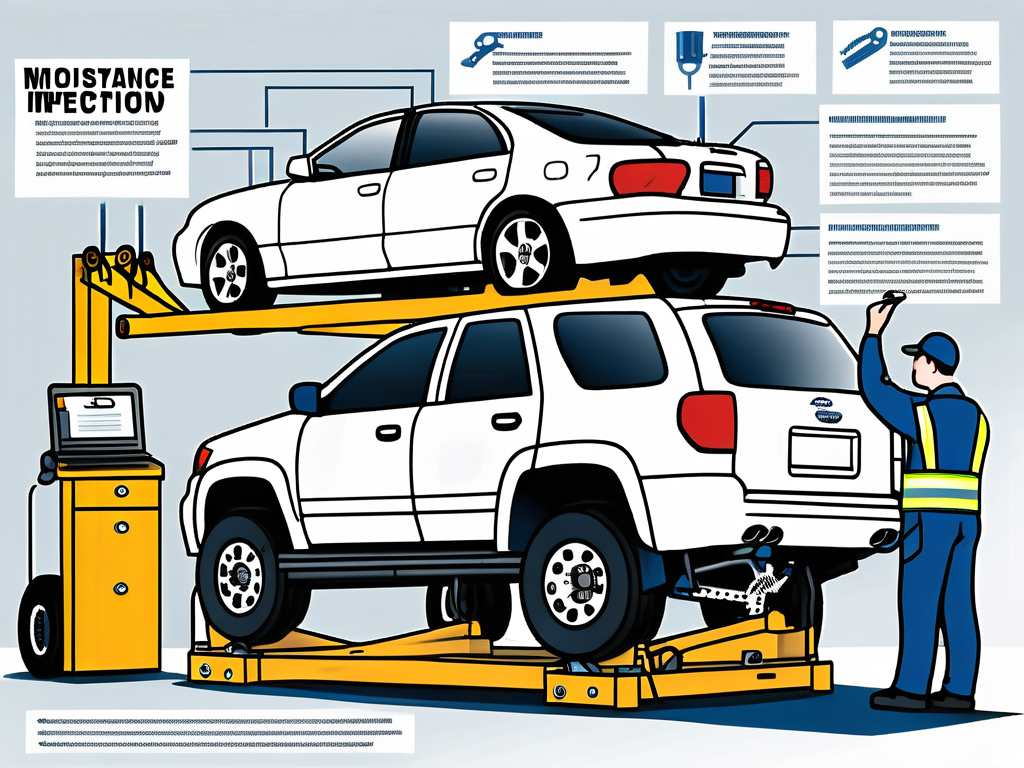
Understanding the stages of the inspection process is essential for drivers who are serious about safety during their journeys.
Pre-Inspection Checklist
Before starting the inspection, it is beneficial to create a pre-inspection checklist. This list can include the following items:
- Check tire pressure and tread depth.
- Examine fluid levels: oil, coolant, brake, and transmission fluids.
- Inspect brakes, lights, and electrical systems.
- Test the steering and suspension components.
- Check the towing equipment, including hitch and safety chains.
Using a checklist ensures that no crucial components are overlooked, giving drivers peace of mind before their towing journey.
Post-Inspection Measures
After the inspection, it is important to document the findings and address any potential issues immediately. If repairs are necessary, scheduling them should be prioritized to avoid future complications. Additionally, maintaining records of inspections and repairs can be beneficial for personal reference and in situations where proof of vehicle maintenance is required.
Taking post-inspection measures fosters accountability and ensures that the vehicle continues to meet safety standards throughout its lifespan.
The Legal Aspects of Vehicle Inspections
In addition to safety and performance, vehicle inspections are subject to various legal frameworks at both state and federal levels. Understanding these legalities is essential for compliance and to avoid penalties associated with non-compliance.
Legal implications can sometimes be daunting, but knowledge can help drivers navigate these requirements effectively.
State and Federal Laws on Vehicle Inspections
Each state has its own laws regarding vehicle inspections, often dictating the frequency and components required for a valid inspection. Some states mandate periodic inspections, while others may require specific inspections before specific types of towing.
Additionally, federal regulations may govern interstate travel and the conditions under which vehicles must be inspected to remain compliant with safety regulations. Drivers should familiarize themselves with these laws to ensure they are within legal bounds before proceeding.
Legal Consequences of Failing to Inspect
Failing to comply with vehicle inspection laws can lead to various legal consequences, including fines, penalties, or even revocation of registration. In the case of an accident where negligence is determined due to lack of inspection, severe legal liabilities can follow, potentially leading to costly litigation.
By ensuring that vehicles are regularly inspected and maintained according to regulations, drivers can protect themselves from legal repercussions and ensure safe travel for themselves and others on the road.
Tips for Effective Vehicle Inspections
Conducting effective vehicle inspections requires more than just following a checklist; it necessitates diligence, routine, and the application of best practices. This section will provide practical tips to enhance the quality of vehicle inspections.
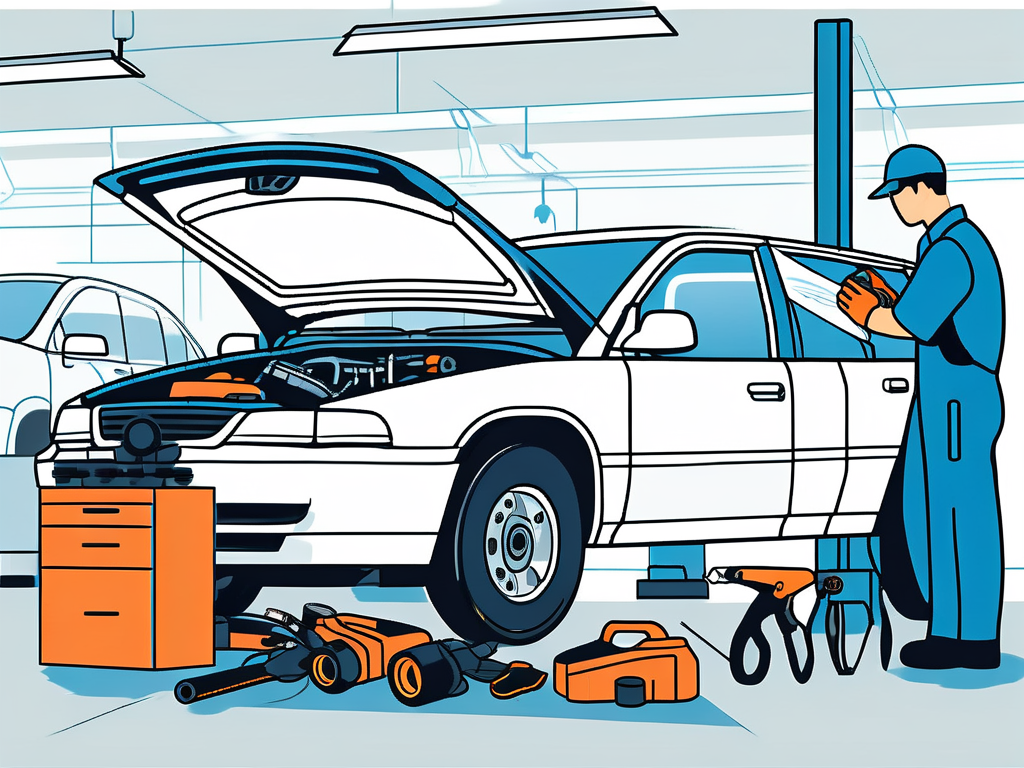
By adopting these recommendations, individuals can ensure a more thorough and effective inspection process.
Best Practices for Thorough Inspections
To perform thorough vehicle inspections, consider the following best practices:
- Take your time: Rushing through inspections can lead to missed issues. Allocate adequate time for each inspection.
- Stay organized: Using a checklist helps in maintaining focus and ensures that all areas are covered.
- Use the right tools: Ensure you have the proper tools for inspection, whether it’s a tire gauge or diagnostic equipment.
- Seek professional help: If you’re unsure about certain components, consulting a mechanic can provide valuable insights.
By adhering to these best practices, vehicle owners can significantly enhance the quality of their inspections.
If you have a Tesla, you can consider our service tailored to the brand.
Maintaining Regular Inspection Schedules
Establishing and adhering to a regular inspection schedule is essential for ensuring the ongoing safety and performance of your vehicle. Whether it’s monthly, quarterly, or annually, setting specific intervals for inspections creates a proactive approach to vehicle maintenance.
Utilizing calendar reminders or apps can also help in keeping track of inspection schedules, ensuring that vehicle inspections do not become an afterthought.
In conclusion, vehicle inspections are an indispensable aspect of long distance towing. By understanding their importance, consequences of neglect, adherence to legal requirements, and effective practices, drivers can significantly enhance their safety and experience on the road.
Ready to ensure your vehicle’s safety for a long haul? Trust Long Distance Towing for all your nationwide auto transport needs. With a network of over 10,000 reliable carriers, we’re experts in shipping cars and motorcycles safely across the country. Whether you’re transporting a classic car or a project in progress, we provide full-service transportation with the utmost care. Don’t let distance be a concern; we pick up from your origin and deliver right to your doorstep. Get A Quote Today and experience the peace of mind that comes with professional long distance towing.