

Long distance vehicle shipping can seem daunting, but understanding the process and preparing adequately can make it a smooth experience. This article will guide you through the essential aspects of vehicle shipping, helping you to avoid common pitfalls that can arise during transportation. By being informed and proactive, you can ensure the safe transport of your vehicle across long distances.
Understanding Long Distance Vehicle Shipping
Long distance vehicle shipping refers to the transportation of a vehicle over considerable distances, usually spanning hundreds or thousands of miles. This can include moves across state lines or across the country. It is essential to understand the nuances involved in the shipping process, as each shipment can present its unique challenges. Factors such as the type of vehicle, the distance to be traveled, and the chosen shipping method can all influence the overall experience and cost of vehicle transport.
The Basics of Vehicle Transportation
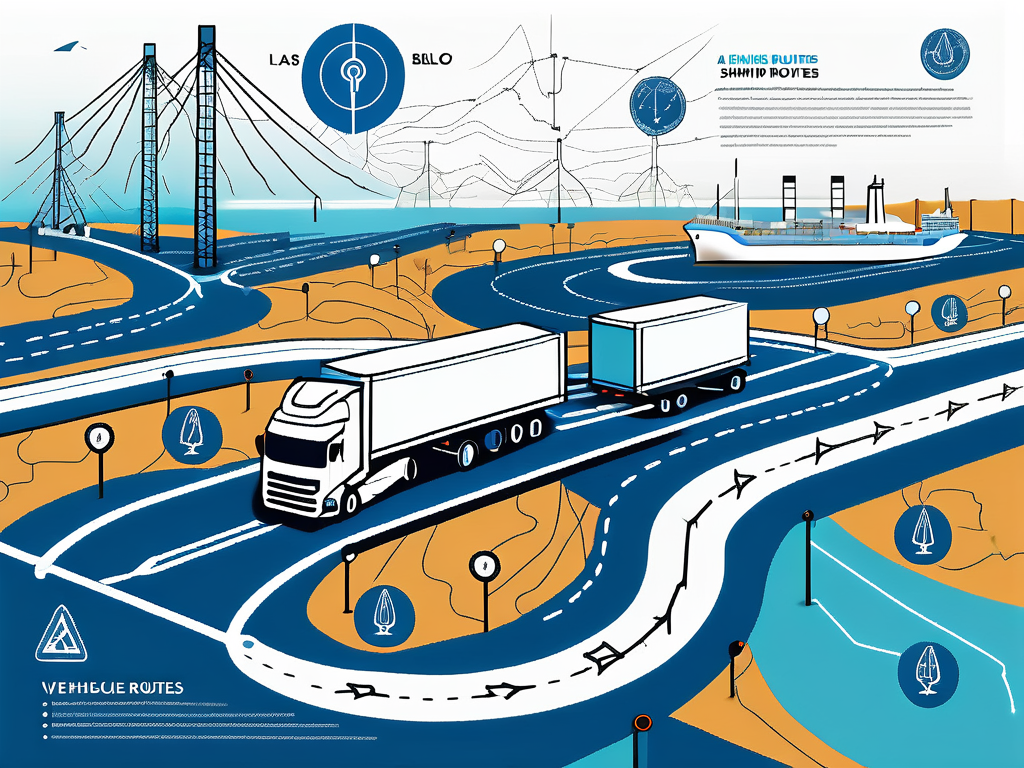
Vehicle transportation primarily involves two methods: open transport and enclosed transport. Open transport is the more common and cost-effective option, where vehicles are loaded onto a trailer exposed to the elements. While this method is reliable, it does increase the risk of damage from weather and road debris. However, many vehicle owners find that the savings associated with open transport make it a viable option for standard vehicles, especially those that are not particularly rare or valuable.
Enclosed transport, on the other hand, provides added protection by shielding your vehicle from external factors. Although it tends to be more expensive, this option is often worth considering for high-value or luxury vehicles. Enclosed transport can also be beneficial for classic cars, motorcycles, and other vehicles that require special care during transit. Additionally, many enclosed transport services offer climate-controlled environments, further ensuring that your vehicle arrives in pristine condition.
Key Players in the Shipping Process
Understanding the various parties involved in the vehicle shipping process is critical. It typically includes the vehicle owner, the shipping company, and the carrier. The vehicle owner is responsible for selecting a reputable shipping company, while the shipping company coordinates logistics. It is advisable for vehicle owners to conduct thorough research, reading reviews and seeking recommendations to find a trustworthy shipping partner.
The carrier is the physical transportation entity, either a truck driver or a shipping firm, that delivers your vehicle. Knowing the roles of these different players can aid you in making informed decisions and communicating effectively during the shipping process. Moreover, it is important to understand the insurance options available during shipping. Most reputable shipping companies will offer insurance coverage to protect your vehicle during transit, but it’s crucial to verify the details and ensure that the coverage meets your needs. This can provide peace of mind, knowing that your vehicle is safeguarded against unforeseen incidents during its journey.
Identifying Common Pitfalls in Vehicle Shipping
Despite the potential challenges, being aware of the common pitfalls can save you time, money, and stress. Below are some of the most frequent issues faced during long distance vehicle shipping.
Hidden Costs and Fees
One of the most significant concerns when shipping a vehicle is unexpected costs. Hidden fees can arise from various sources, including terminal fees, fuel surcharges, or additional insurance options. It’s crucial to ask for a detailed breakdown of all costs before signing any agreements.
Always read the fine print in your shipping contract to recognize what is included in the quoted price. This way, you can avoid surprises and ensure you have a clear understanding of the financial obligations involved. Additionally, some companies may offer promotional rates that seem attractive at first glance but can lead to higher costs once all fees are accounted for. Therefore, it’s wise to compare multiple quotes and seek recommendations from previous customers to ensure you’re getting the best deal without hidden surprises.
If you live in Hawaii, I have discusses how much auto transport cost in Hawaii in a dedicated post.
Late Delivery Issues
Timely delivery of your vehicle is a priority for many customers, but delays can occur for various reasons, including weather conditions, road closures, or scheduling conflicts. When selecting a shipping company, inquire about their average delivery times and their policies on delays.
Additionally, establish a clear communication line with the shipping company before moving your vehicle. Knowing how to reach them and how frequently they update clients on their status can help ease your concerns during the waiting period. It’s also beneficial to ask if they provide tracking services, allowing you to monitor your vehicle’s journey in real-time. This transparency can significantly reduce anxiety and help you plan accordingly for your vehicle’s arrival.
Vehicle Damage Concerns
While damages during transit are not common, they can happen. Protecting your vehicle should be your utmost priority. Always conduct a thorough inspection of your vehicle before shipping and document any pre-existing conditions.
Choose a shipping company that offers comprehensive insurance coverage to provide peace of mind. Check their claims process so you know the procedure in case something happens to your vehicle during transit. Additionally, consider opting for enclosed transport if you’re shipping a high-value or classic car, as this can provide an extra layer of protection against the elements and road debris. Furthermore, understanding the insurance limits and deductibles can help you make informed decisions about the level of coverage you need, ensuring that your vehicle is adequately protected throughout the shipping process.
Choosing the Right Shipping Company
Finding the right company for your vehicle shipping needs is vital. The shipping company you choose can significantly impact your experience, making it essential to do your homework.
Researching Reputable Companies
Start by researching vehicle shipping companies that have a solid reputation in the industry. Seek out customer reviews and testimonials, and check their ratings through organizations like the Better Business Bureau. Speaking with friends or family who have used vehicle shipping services can also provide valuable insights.
Once you’ve narrowed down your options, request quotes from several companies. A well-researched choice can lead to a positive shipping experience and avoid many pitfalls. Additionally, consider looking for companies that are members of industry associations, as this can be a sign of professionalism and adherence to best practices. Many reputable companies also provide detailed information about their processes, which can help you understand what to expect and how they handle potential issues.
Comparing Quotes and Services
When comparing quotes, look beyond just the price. Consider the services included in the quote, such as insurance coverage, pickup and drop-off options, and estimated delivery times. A slightly more expensive service might save you money and headaches in the long run if it provides better coverage or faster delivery.
Take the time to evaluate each option fully. This thorough analysis will help you choose a company that suits your specific needs and budget. Additionally, don’t hesitate to reach out to the companies directly with any questions or concerns. A responsive customer service team can be an indicator of how well they will handle your shipment. Furthermore, inquire about their policies regarding delays or damages during transit; understanding these protocols can offer peace of mind as you prepare for the shipping process.
Preparing Your Vehicle for Shipping
Proper preparation of your vehicle can mitigate many of the risks involved in long distance shipping. Taking the time to prepare thoughtfully can ensure a smoother transportation process.
Personal Belongings and Vehicle Preparation
Before shipping your vehicle, remove all personal belongings. Most shipping companies have strict policies against transporting any items inside the vehicle, as they are not responsible for lost or damaged goods. Additionally, a lighter vehicle is easier and safer to transport.
Make sure to also check fluid levels, tire pressure, and battery status. A well-maintained vehicle is less likely to encounter issues during transit. Furthermore, it is advisable to fill the gas tank to about a quarter full. This not only helps with the weight distribution but also ensures that the vehicle can be driven off the transport truck without delay upon arrival.
Inspection and Documentation
Conduct a detailed inspection of your vehicle and note any existing scratches, dents, or mechanical issues. Taking photos can serve as essential documentation should any claim arise. This information will help ensure you receive fair treatment if your vehicle is damaged during transport.
Keep a record of all necessary documentation, including the shipping contract, insurance policy, and any pre-existing condition reports, to facilitate a smooth process. Additionally, it’s wise to familiarize yourself with the shipping company’s policies regarding claims and damages. Knowing the procedures ahead of time can save you valuable time and stress should any issues arise during transit. If possible, consider obtaining a professional appraisal of your vehicle’s condition prior to shipping, as this can provide further protection and peace of mind during the transportation process.
Navigating the Shipping Process
Understanding the shipping process will make it easier for you to navigate potential challenges as they arise. By being prepared, you can address issues more readily should they occur.
Understanding Shipping Contracts
Shipping contracts outline the responsibilities and expectations of both the vehicle owner and the shipping company. Read the contract carefully, ensuring you understand all terms and conditions, particularly those concerning delays, damages, and liability.
If there are clauses that seem unclear or unreasonable, don’t hesitate to discuss them with the shipping company. Clarity in these agreements is crucial to avoid disputes later on.
Dealing with Delivery Delays
In the event of a delivery delay, staying calm and collected is essential. Maintain regular communication with your shipping company to stay updated. Having realistic expectations about possible delays, arising from factors like weather or traffic, can help manage your anxiety.
By preparing in advance and understanding the shipping process thoroughly, you can mitigate many common pitfalls associated with long distance vehicle shipping. With the right knowledge and preparation, you’ll be well on your way to a successful vehicle shipping experience.
Ready to ensure your vehicle’s journey is smooth and stress-free? Choose Long Distance Towing for your nationwide auto transport needs. With a vast network of over 10,000 reliable carriers and a commitment to full-service transportation, we’re equipped to ship your car or motorcycle with the utmost care. Whether you’re transporting a classic car or a project in the making, we’ve got you covered every mile of the way. Get A Quote Today and experience the peace of mind that comes with professional long distance vehicle shipping.