

Tow trucks are essential for vehicle recovery, towing, and transport, but their weight varies greatly depending on their type and purpose. Understanding these differences is crucial for operators, buyers, and even drivers sharing the road with these heavy-duty vehicles.
Understanding the weight of a tow truck is essential for operators, buyers, and even drivers sharing the road with these heavy-duty vehicles.
In this guide, we’ll break down the weight categories of tow trucks, the factors influencing their weight, and the implications of their size on towing operations. Whether you’re curious about the type of tow truck or considering purchasing one, this guide will give you all the details.
How much does a tow truck weigh?
Tow truck weights vary by type: light duty trucks weigh 8,000–10,000 pounds, medium duty trucks weigh 10,000–26,000 pounds, and heavy duty trucks weigh 26,000–60,000+ pounds.
Key Takeaways:
- Light-Duty Trucks: Compact and efficient, ideal for small vehicles and roadside assistance.
- Medium-Duty Trucks: Versatile for towing larger passenger vehicles and small commercial trucks.
- Heavy-Duty Trucks: Handle large-scale towing for buses and heavy machinery.
- Super-Heavy-Duty Trucks: Specialized for oversized loads, requiring advanced training to operate.
The weight affects towing capacity, fuel efficiency, and road regulations. For example, light-duty trucks are suitable for small cars, while heavy-duty models handle buses and semi-trucks.
Understanding these differences helps operators choose the right truck for their needs.
Understanding Tow Truck Types and Their Weights
Tow trucks come in various types, each designed for specific purposes. Their weight varies accordingly:
Light-Duty Tow Trucks

- Weight: 8,000–10,000 pounds
- Use: Perfect for towing small cars, motorcycles, and light-duty pickups.
- Details: Equipped with wheel lift systems or flatbeds, these trucks are highly maneuverable and ideal for roadside assistance. Flatbed tow trucks offer additional protection for vehicles during transport, making them a preferred choice for towing damaged or specialty cars.
Medium-Duty Tow Trucks
- Weight: 10,000–26,000 pounds (5–13 tons)
- Use: Suitable for towing SUVs, vans, and medium-sized trucks.
- Details: These trucks often feature integrated towing systems and are capable of handling heavier loads while maintaining maneuverability.
Heavy-Duty Tow Trucks
- Weight: 26,000–60,000 pounds (13–30 tons)
- Use: Designed for large vehicles like buses, semi-trucks, and construction equipment.
- Details: These trucks are equipped with powerful winches and booms for heavy-duty towing operations.
Super-Heavy-Duty Tow Trucks
- Weight: Over 60,000 pounds (30+ tons)
- Use: Specially designed for the heaviest loads, such as tankers or large industrial vehicles.
- Details: These trucks require specialized training to operate and often come with multiple axles for added stability.
Factors Influencing Tow Truck Weight
The weight of a tow truck depends on several factors:
Type of Towing Equipment

- Flatbeds weigh more due to the additional platform and hydraulic systems.
- Integrated tow trucks with booms and winches are heavier because of their reinforced structures.
Chassis Size and Materials
- Modern tow trucks often use lightweight yet durable materials like aluminum to improve fuel efficiency without compromising strength. This balance is crucial for maintaining high towing capacity while reducing wear on the truck’s engine and suspension.
Additional Accessories
- Features like toolboxes, extra winches, and recovery gear contribute to the weight.
- Customizations, such as additional lighting or storage compartments, also increase the overall mass.
Engine and Transmission
- Heavy-duty trucks with larger engines and transmissions weigh more but provide the power needed for towing substantial loads.
Why Does Tow Truck Weight Matter?
The weight of a tow truck impacts its functionality, safety, and performance:
Towing Capacity
Heavier trucks typically have higher towing capacities, making them suitable for larger or heavier vehicles.
Road Regulations
Tow trucks over certain weight thresholds often require special permits or commercial driver’s licenses (CDLs).
For example, in the U.S., trucks exceeding 26,000 pounds typically fall under federal CDL requirements. Compliance with these regulations is essential to avoid fines and ensure safe operation.
Stability and Maneuverability
The weight of the tow truck provides stability during towing but may limit maneuverability in tight spaces or on narrow roads.
Fuel Efficiency
Heavier tow trucks consume more fuel, impacting operating costs for towing companies.
How to Choose the Right Tow Truck Based on Weight
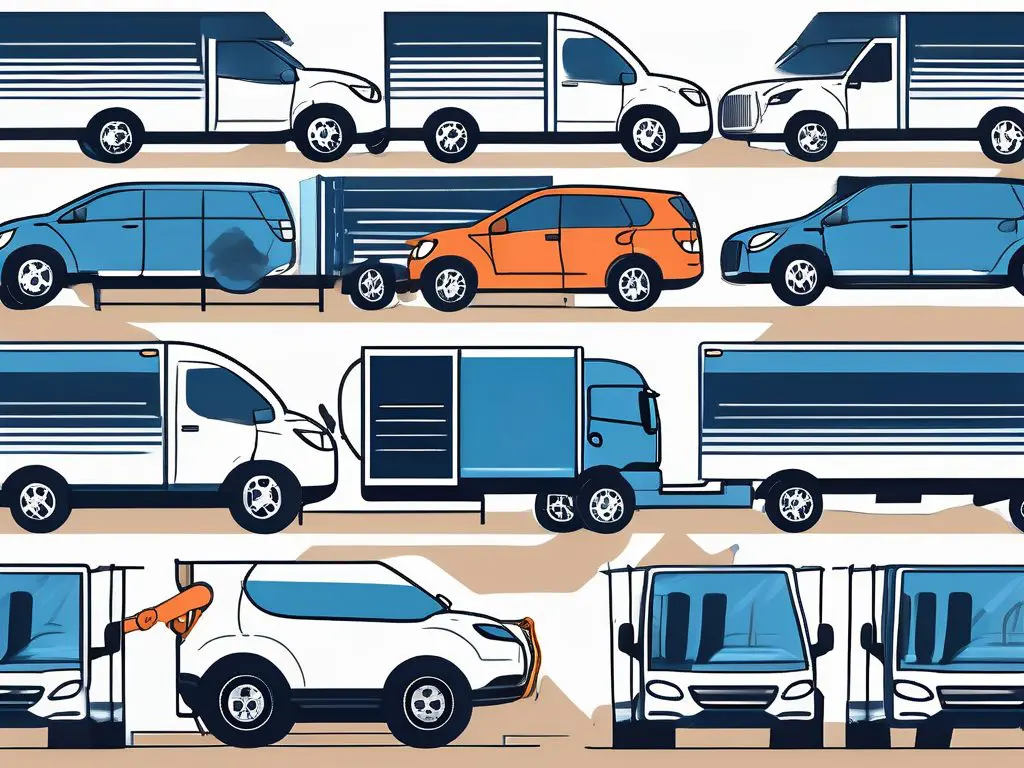
Selecting the appropriate tow truck depends on your towing needs. Here’s a quick guide:
Light-Duty Needs:
Ideal for roadside assistance and towing small cars. These trucks are easier to operate and more fuel-efficient.
Medium-Duty Needs:
Suitable for towing larger passenger vehicles and small commercial trucks.
Heavy-Duty Needs:
Best for industrial and commercial purposes, including large trucks and buses.
Super-Heavy-Duty Needs:
Reserved for specialized industries, such as construction or large-scale transport.
When selecting a tow truck:
- Light-Duty Needs: Ideal for roadside assistance companies or small-scale operators handling passenger cars and motorcycles.
- Medium-Duty Needs: Suitable for towing businesses working with larger passenger vehicles, vans, or small commercial trucks.
- Heavy-Duty Needs: Best for towing services catering to industrial clients, including buses and construction equipment.
- Super-Heavy-Duty Needs: Reserved for specialized industries like oil and gas or large-scale logistics.
Safety Considerations When Operating Heavy Tow Trucks
Operating heavy tow trucks requires additional precautions to ensure safety on the road:
Follow Weight Limits
Adhere to weight regulations and ensure your truck’s load doesn’t exceed its rated capacity.
Maintain Braking Systems
The heavier the truck, the more strain on its braking system. Regular maintenance is critical for safe operation.
Use Proper Licensing
Operating heavy tow trucks requires proper training and licensing. Drivers must hold a CDL appropriate for the truck’s weight class and undergo regular training to stay updated on safety protocols, such as handling oversized loads or navigating narrow roads safely.
Drive Cautiously
Heavy tow trucks take longer to stop and are less maneuverable. Maintain safe speeds and leave ample stopping distance.
Professional Towing Services for Large Loads
Professional towing companies, such as Long Distance Towing, provide services ranging from light-duty vehicle recovery to heavy-duty transport of industrial equipment. Their diverse fleet ensures they can handle tasks like long-distance hauling, accident recovery, and specialized towing for oversized loads.
Frequently Asked Questions:
1. How much does a light-duty tow truck weigh?
Light-duty tow trucks weigh 8,000–10,000 pounds and are ideal for towing small vehicles, such as compact cars or motorcycles.
2. What is the weight of a heavy-duty tow truck?
Heavy-duty tow trucks weigh between 26,000 and 60,000 pounds and are designed for large vehicles like buses and semi-trucks.
3. Why is tow truck weight important?
Tow truck weight affects towing capacity, road safety, fuel efficiency, and adherence to road regulations.
Conclusion
Tow truck weights range from 8,000 pounds for light-duty models to over 60,000 pounds for super-heavy-duty trucks, each designed for specific towing needs.
Whether you’re an operator or a business owner, understanding these weights helps you choose the right truck for the job. For challenging towing tasks or professional assistance, trusted companies like Long Distance Towing offer reliable services tailored to your requirements.
Understanding these weights helps operators choose the right truck for their needs, ensures compliance with road regulations, and promotes safe towing practices.