
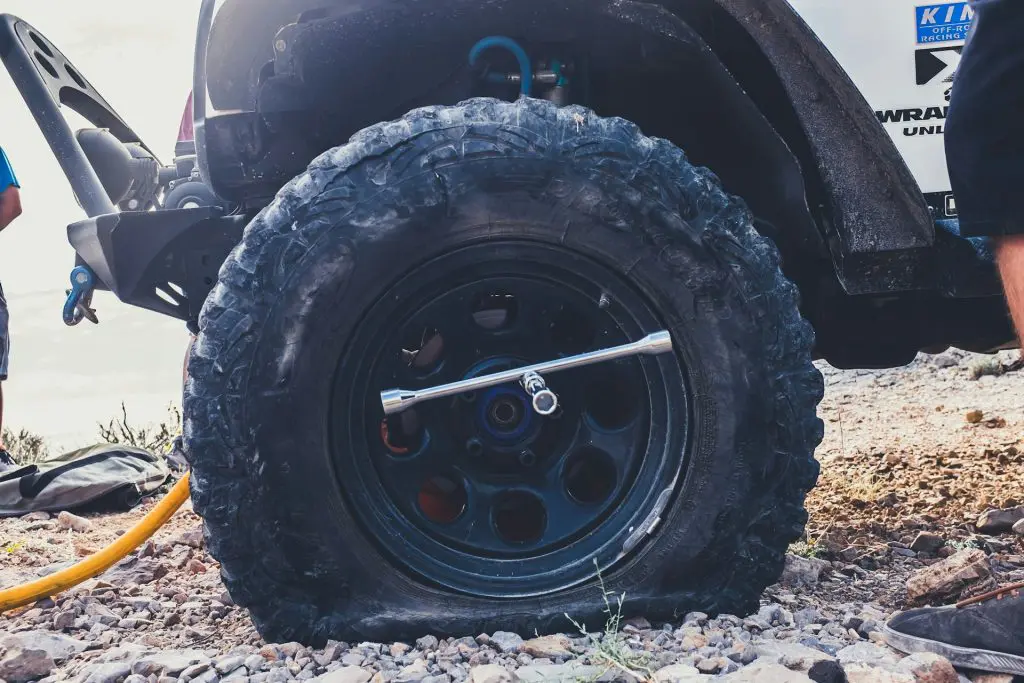
Encountering a flat tire on a highway can be daunting, but knowing what to do can keep you safe and minimize disruption. With the right approach, you can handle the situation effectively and avoid unnecessary risks.
This blog provides a comprehensive guide on managing a flat tire on the highway, including immediate steps, safety precautions, and tips for preventive care. By staying prepared and following these steps, you can minimize risks and resolve the issue efficiently.
What should you do if you get a flat tire on the highway?
If you experience a flat tire on the highway, stay composed and gradually reduce your speed. Signal and pull over to a well-lit, flat area away from traffic, such as a wide shoulder or rest stop. Turn on your hazard lights to alert other drivers and assess the situation safely.
Key Takeaways:
- Prioritize Safety: Pull over to a well-lit, stable area and use hazard lights and reflective gear.
- Be Prepared: Keep a spare tire, jack, and high-visibility clothing in your car.
- Know Your Limits: Call for help if you’re unsure or in an unsafe location.
Understanding the Risks of a Flat Tire on the Highway
A sudden flat tire at high speeds can make steering difficult and increase the risk of losing control. To regain control, keep a firm grip on the steering wheel and avoid sudden movements. Gradually slow down by easing off the accelerator and steer your vehicle to the side of the road.
Traffic Hazards:
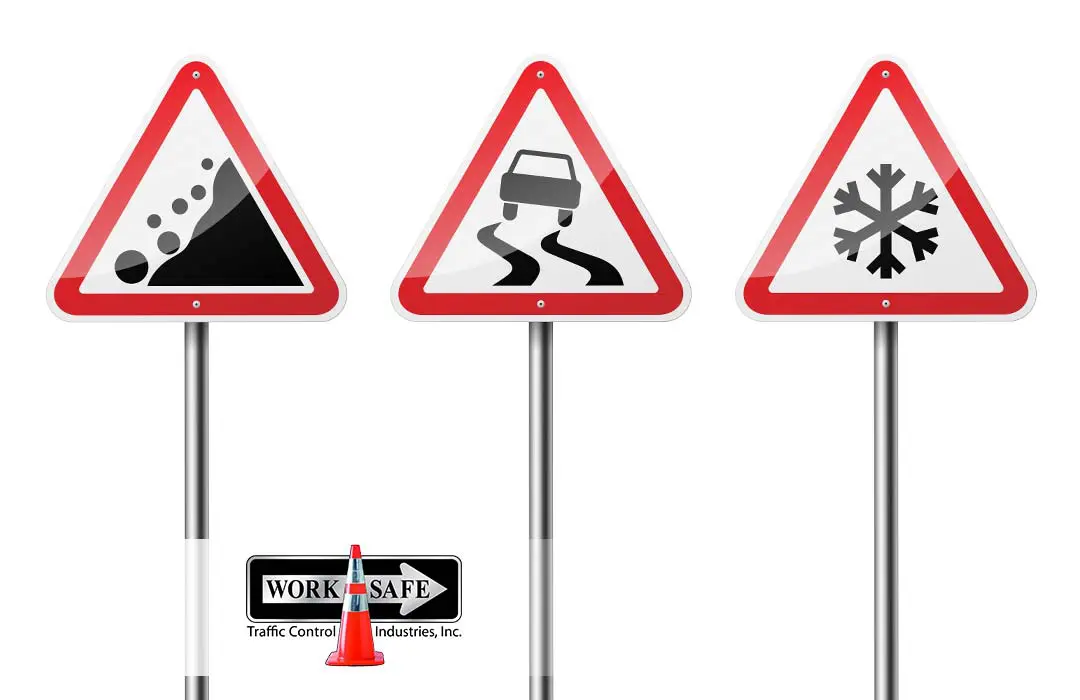
Stopping on the shoulder or in a lane of traffic exposes you and your vehicle to potential collisions.
Vehicle Control:
A sudden flat tire, especially at high speeds, can make steering difficult and increase the risk of losing control.
Limited Visibility:
At night or in poor weather, other drivers may struggle to see your stopped vehicle, raising the danger of secondary accidents.
Recognizing these risks is the first step in managing the situation calmly and effectively.
Immediate Steps to Take When You Get a Flat Tire
If you experience a flat tire on the highway, follow these steps to ensure safety and minimize disruption:
1. Stay Calm
Panicking can lead to hasty decisions. Keep your composure to make clear, thoughtful choices.
2. Avoid Braking Suddenly
Gradually reduce your speed by taking your foot off the accelerator. Sudden braking can make the situation worse, especially if the tire is severely damaged.
3. Signal and Pull Over
Use your turn signals to indicate your intention to move to the shoulder or a safe area. Avoid sharp turns or sudden braking, as this could worsen tire damage or cause loss of control. Aim for a flat, stable surface, such as a wide shoulder or nearby rest area.
4. Turn on Hazard Lights
Activate your hazard lights immediately to alert other drivers to your situation.
5. Engage the Parking Brake
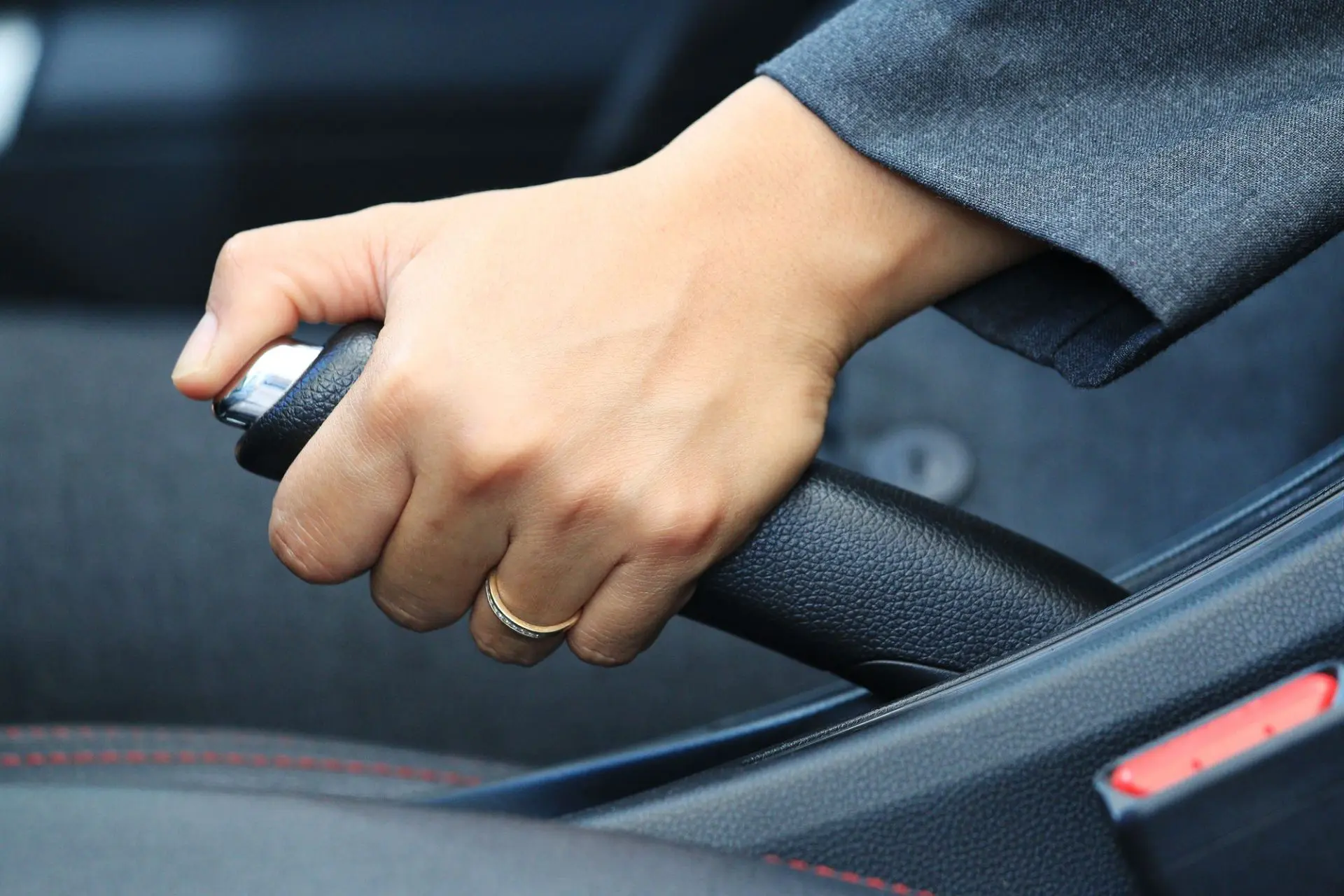 Once stopped, apply the parking brake to prevent any movement while you assess the situation.
Safety Precautions Before Changing the Tire
Changing a tire on the highway requires extra caution to ensure your safety. Here are essential precautions:
Choose a Safe Location
If possible, pull over to a wide shoulder, rest area, or exit ramp. Avoid stopping on curves or areas with poor visibility.
Use Reflective Triangles or Flares
Place reflective triangles or flares behind your vehicle to warn approaching drivers. A general rule is to position them 10, 30, and 100 feet away from your car.
Wear High-Visibility Clothing:
Reflective vests or brightly colored clothing make you more noticeable to passing drivers, reducing the risk of accidents, especially at night or in low-light conditions.
Work on the Traffic-Free Side
Always work on the side of the car that’s away from traffic. If this isn’t possible, consider calling for professional help.
Step-by-Step Guide to Changing a Flat Tire
If you feel confident and have the necessary tools, follow these steps to replace a flat tire:
1. Gather Your Tools
Ensure you have a spare tire, car jack, lug wrench, and vehicle manual. Some vehicles also come with a tire repair kit.
2. Loosen the Lug Nuts:
Use the lug wrench to slightly loosen the lug nuts while the car is still on the ground. This prevents the wheel from spinning while you’re trying to loosen the nuts.
3. Position the Jack
Refer to your vehicle manual to locate the jack point and safely raise the car until the flat tire is off the ground.
4. Remove the Lug Nuts and Tire
Unscrew the lug nuts completely and carefully remove the flat damaged tire.
5. Mount the Spare Tire
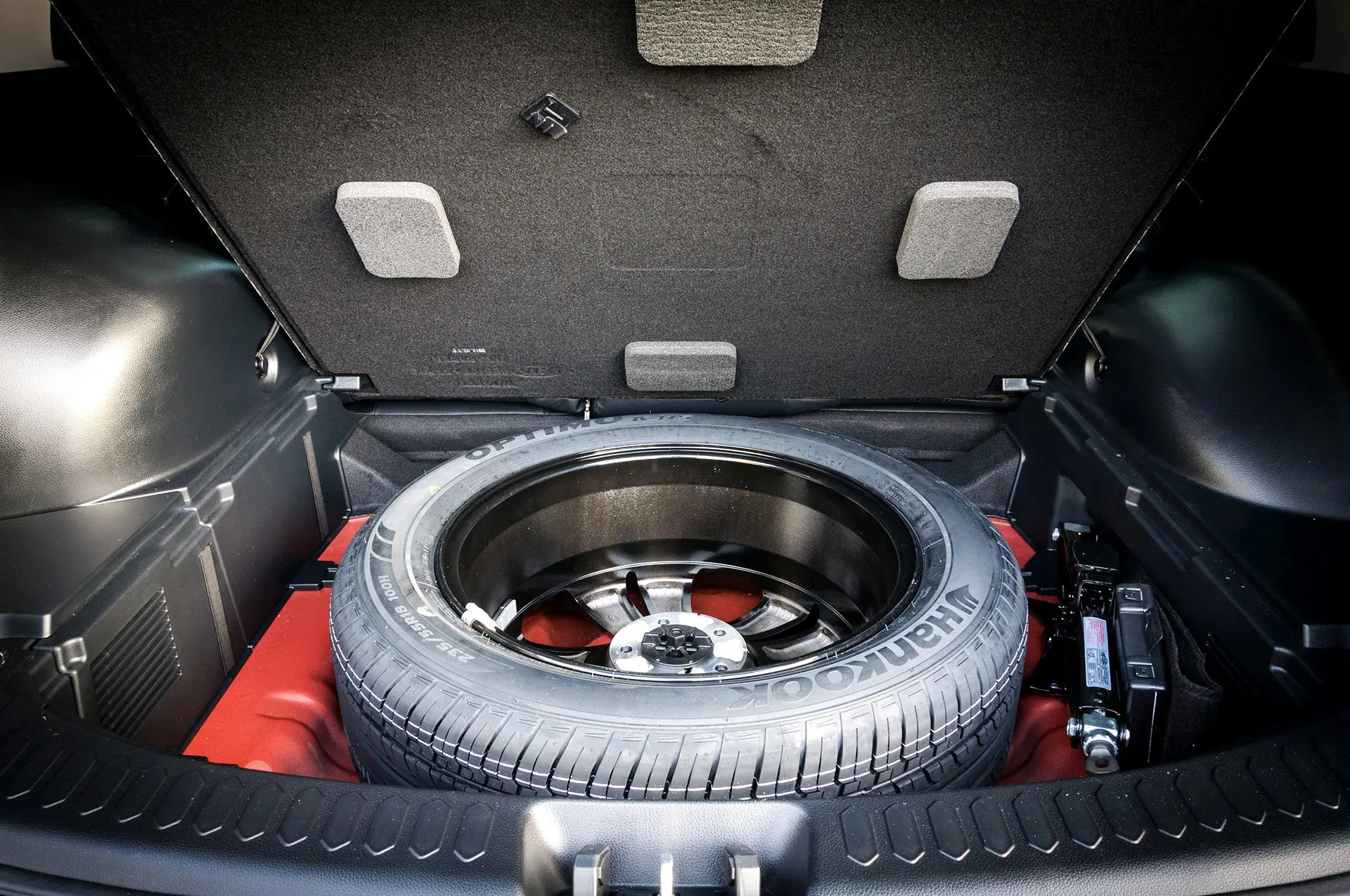 Align the spare tire with the wheel bolts and hand-tighten the lug nuts.
6. Lower the Vehicle
Slowly lower the car back to the ground using the jack.
7. Tighten the Lug Nuts
Fully tighten the lug nuts in a star pattern to ensure even pressure and prevent wobbling.
8. Check the Spare Tire
Ensure the spare tire is properly inflated before driving. Drive cautiously to a repair shop for a permanent fix.
When to Call for Roadside Assistance
In some situations, it’s better to call for professional help rather than attempt to change your tire by yourself.
Here’s when to seek roadside assistance:
Lack of Tools or Spare Tire
If you don’t have the necessary tools or a spare tire, roadside assistance is the safest option.
Unsafe Location
If you’re unable to pull over to a safe area, avoid taking risks and contact a towing or roadside assistance service.
Limited Experience
If you’re unsure how to change a tire or feel unsafe doing so, contact roadside assistance.
Professional services offer reliable roadside assistance, including flat tire repairs, vehicle transport, and more. Their trained staff can handle emergencies quickly, ensuring your safety.
The better option would be to call a tow truck service like Long Towing Distance If you want to be back on the road by fixing your tire blowout or flat.
Preventive Measures to Avoid Flat Tires
While flat tires can’t always be avoided, these preventive measures can reduce the likelihood:
Regular Inspections:
Inspect your tires monthly for signs of wear, cracks, bulges, or low pressure. Neglecting these checks increases the risk of blowouts, especially at high speeds.
Maintain Proper Inflation
Overinflated or underinflated tires are more prone to failure. Follow your vehicle manual’s recommended tire pressure.
Avoid Road Hazards
Steer clear of potholes, debris, and sharp objects whenever possible.
Replace Tires as Needed
Tires with low tread depth are more likely to cause blowouts. Replace them promptly when they show signs of significant wear.
Keep Essential Tools Handy
Always carry a spare tire, jack, lug wrench, and reflective gear in your car.
Frequently Asked Questions:
1. What should I do first if I get a flat tire on the highway?
Ease off the accelerator and steer carefully to a wide shoulder or rest area. Turn on your hazard lights immediately to alert other drivers, then evaluate whether it’s safe to change the tire or call for help.
2. Is it safe to change a flat tire on the highway?
It’s safe if you’re in a secure location away from traffic. Use reflective triangles and work on the traffic-free side of the car. If it’s unsafe, call for roadside assistance.
3. How can I prevent flat tires on highways?
Regularly inspect your tires, maintain proper pressure, avoid road hazards, and replace worn tires promptly.
Conclusion
Handling a flat tire on the highway doesn’t have to be overwhelming. By staying calm, following safety protocols, and knowing when to call for help, you can resolve the issue quickly and safely.
Preventive measures, like regular tire inspections and carrying essential tools, can further reduce the risk of future incidents. For emergencies or professional support, trusted services like Long Distance Towing can provide peace of mind when you need it most.
By following the outlined steps, prioritizing safety, and knowing when to call for professional assistance, you can handle the situation effectively.