
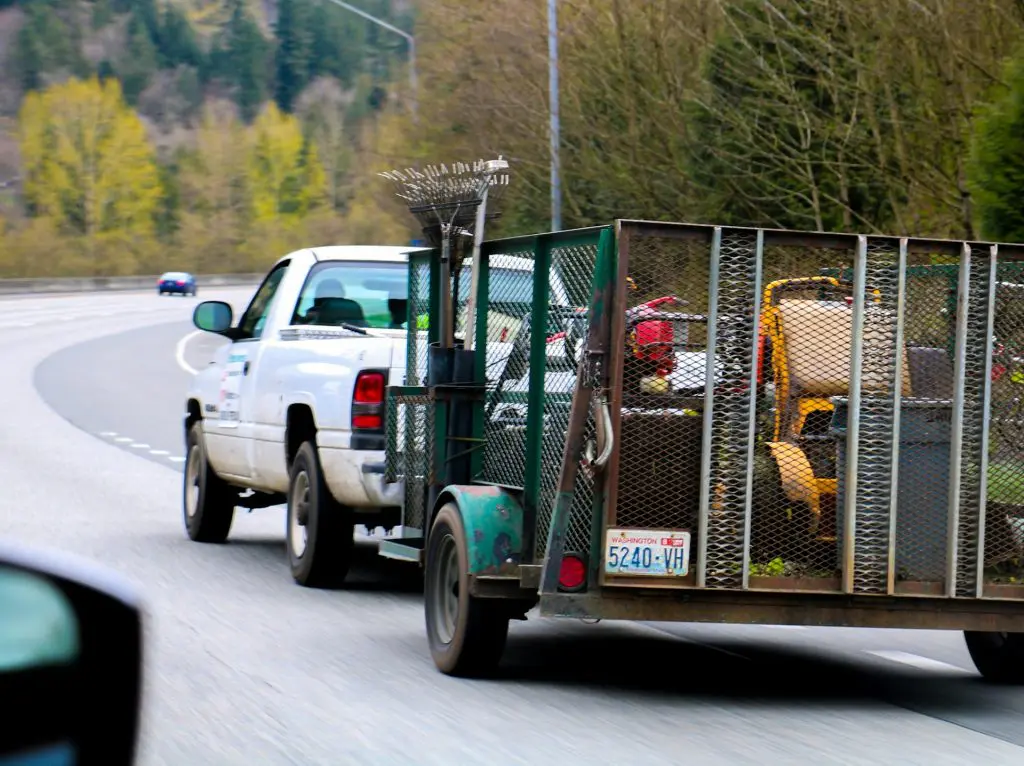
Towing services may not be something drivers plan for, but they’re invaluable during breakdowns, accidents, or when relocating a vehicle.
Understanding towing costs per mile can help you plan your budget and choose the best option for your needs.
Whether it’s a breakdown, an accident, or relocating a vehicle, understanding the towing cost per mile can help you budget and choose the right towing option. Costs can vary significantly based on factors like location, distance, and vehicle type.
In this guide, we’ll dive deep into the factors that influence towing costs per mile, outline average prices, and share practical tips for saving money.
What is the average towing cost per mile?
On average, local towing costs $2–$5 per mile, while long-distance towing rates range from $0.75–$1.25 per mile. Prices can vary based on factors like location, vehicle type, and whether the service involves emergency assistance.
Key Takeaways:
- Local vs. Long-Distance Rates: Expect $2–$5 per mile for local tows and $0.75–$1.25 per mile for longer distances.
- Main Cost Drivers: Distance, vehicle size, and timing significantly impact pricing.
- Save More: Compare rates, use roadside assistance memberships, and avoid peak-hour or emergency towing.
Factors Affecting Costs of Tow Truck Per Mile
Type of Tow Truck
The kind of tow truck used has a direct impact on the cost per mile.
- Flatbed Tow Trucks: These are ideal for protecting the vehicle during transport and are commonly used for long-distance tows. They tend to cost more per mile.
- Wheel-Lift Tow Trucks: A more affordable option, suitable for shorter distances.
- Integrated Tow Trucks: Often used for heavy-duty vehicles like buses and trucks, which may incur higher fees.
Distance of the Tow
Short-distance towing is generally less expensive, with a base fee plus a small per-mile rate. Long-distance towing often uses tiered pricing, where the per-mile rate decreases for longer trips.
Location and Terrain
The cost to tow a car varies by area. Urban towing is typically more expensive due to higher demand, while rural towing can incur additional charges for remote locations or rough terrain.
Timing and Emergency Situations
Towing services during nights, weekends, or holidays typically include surcharges, often adding 20%–50% to the base cost. Scheduling a tow during business hours can help you avoid these extra fees.
Vehicle Size and Condition
Larger vehicles like SUVs or trucks require more equipment, increasing the cost per mile. Similarly, damaged or inoperable vehicles may need additional handling, raising overall expenses.
Average Per-Mile Towing Costs
Local Tows (Short Distance)

Local towing typically includes a hook-up fee (between $50–$125) and a per-mile charge ($2–$5 per mile). For a short tow of 10 miles, the average cost may range between $75 and $150.
Long-Distance Tows
For long-distance towing, per-mile rates generally range from $0.75–$1.25, depending on the distance, vehicle size, and transport method. The total cost of towing for cross-state tows can range from $500 to $1,500 or more, based on the trip’s specifics.
When preparing for a haul, it’s also important to know how much should a truck squat when towing. Ideally, your truck should squat no more than 1–2 inches under a properly distributed load. Excessive squatting—more than this—could indicate an overloaded hitch, poor weight distribution, or the need for suspension upgrades like airbags or helper springs. Proper squat levels ensure safe handling and better control during long-distance towing.
Regional Cost Variations
Pricing can vary significantly by region. Coastal cities or high-demand urban areas may have higher rates compared to rural or low-traffic regions.
Examples of Typical Per-Mile Costs
- 5-mile local tow: $75–$125 (includes base fee and mileage)
- 50-mile tow: $200–$400, with variations based on location and tow truck type
- 150-mile tow: $900–$1,500, with potential extra charges for tolls, permits, or fuel surcharges.
Types of Towing Services and Their Per-Mile Costs
When it comes to towing services, the type of service required significantly impacts the per-mile cost. Let’s break down the most common types of towing and their associated expenses.
Roadside Assistance Towing
Roadside assistance programs, such as AAA or insurance add-ons, typically cover short-distance towing of 5–15 miles. Beyond this, rates of $2–$5 per mile may apply. Membership costs range from $50 to $150 annually, making them a budget-friendly choice for frequent drivers.
These services are usually designed for breakdowns or flat tires, and the cost for towing beyond the covered mileage ranges between $2 and $5 per mile. Membership costs typically range from $50 to $150 annually, making it a cost-effective option for frequent drivers.
Accident Recovery Towing
When your vehicle is involved in an accident, towing services may be required to move the car from the scene to a repair shop.
This service often incurs additional fees for winching, handling debris, or moving a disabled vehicle. The per-mile rate for accident recovery towing usually ranges from $3 to $7, with extra fees based on the complexity of the situation.
Long-Distance Auto Transport
If you need to move your vehicle across state lines or over long distances, long-distance auto transport services are a better choice.
Companies like Long Distance Towing specialize in these moves and often use flatbed trucks or open transport trailers. The per-mile cost typically decreases for longer distances, ranging from $0.75 to $1.25 per mile for trips over 200 miles.
Heavy-Duty Towing
Large vehicles, such as trucks, buses, or RVs, require heavy-duty towing equipment. These services are more expensive due to the size and weight of the vehicles, with per-mile rates ranging from $10 to $25.
Specialized towing trucks and permits for oversized loads contribute to the higher costs.
Extra Fees That Can Increase Per-Mile Costs
While the base per-mile rate is a key factor, additional fees can significantly increase towing expenses. Understanding these charges can help you anticipate the total cost.
Hook-Up or Base Fees
Most towing companies charge a flat hook-up fee, typically ranging from $50 to $150. This fee covers the time and equipment needed to attach your vehicle to the tow truck.
The type of tow truck and vehicle condition can increase this fee, especially for flatbed towing or inoperable vehicles.
Fuel Surcharges
Fuel costs are a common add-on for long-distance towing. These surcharges account for fluctuating fuel prices and can range from $10 to $50 depending on the distance.
Tolls and Permits
If the towing route includes toll roads, these charges will likely be passed on to the customer. Similarly, cross-state towing may require special permits, adding $20 to $100 to the final bill.
Winching and Recovery Charges
If your vehicle is stuck in mud, snow, or a ditch, additional fees for winching or recovery may apply. These services start at $50 and increase based on the difficulty of the recovery process.
Specialized Equipment or Handling FeesLow-clearance sports cars, electric vehicles, or vehicles with aftermarket modifications may require special equipment or extra handling, which can add $25 to $100 to the towing cost.
Cost Comparisons: Local vs. Long-Distance Towing
The costs for local and long-distance towing vary significantly, influenced by the distance, vehicle type, and towing company. Here’s a detailed look at the differences.
Local Towing Cost Analysis
Local towing typically involves short distances, such as moving a vehicle to a nearby repair shop. The cost structure for local towing includes a hook-up fee (averaging $75–$125) and a per-mile charge of $2–$5. For a 10-mile tow, the total cost can range from $95 to $175. Local towing is usually straightforward, but traffic congestion in urban areas might increase wait times and fees.
Long-Distance Cost Analysis
Long-distance towing is a better option for moving vehicles across states or over 100 miles. Companies often offer reduced per-mile rates for extended distances, such as $0.75–$1.25 per mile for trips over 200 miles.
However, additional costs for tolls, permits, and fuel surcharges are common. For example, towing a vehicle 300 miles could cost between $375 and $750.
Cost-Saving Opportunities in Both Cases
For local towing, using roadside assistance memberships can help minimize costs. In contrast, for long-distance towing, negotiating a flat rate or booking in advance can result in significant savings.
Tips for Reducing Towing Costs Per Mile
Towing services can be costly, but with the right approach, you can lower expenses. Here are some practical tips:
Compare Multiple Towing Companies
Before committing to a service, request quotes from at least three towing companies. Many providers offer online or phone estimates, and some even provide a towing estimate calculator on their websites, making it easier to compare rates.
Leverage Roadside Assistance Programs
Membership programs like AAA or coverage through car insurance often include towing benefits. While these programs may have mileage limits, they can significantly reduce costs for shorter tows.
Plan Tows During Off-Peak Times
Towing during peak hours, weekends, or holidays often comes with surcharges. Scheduling a tow during regular business hours can help reduce the base and per-mile fees.
Negotiate Flat Rates for Long Distances
For long-distance towing, many companies offer the option of a flat rate instead of a per-mile charge. Flat rates can be more affordable, especially for trips over 200 miles.
Avoid Emergency Tows When Possible:
Emergency towing often comes with surcharges of 20%–50%. If the situation is non-urgent, consider scheduling a tow during regular business hours to save money.
Choosing the Right Towing Service
Selecting the right towing service is essential for balancing cost and reliability. Here’s what to consider:
Factors to Consider When Selecting a Provider
- Experience: Choose a company with a proven track record, especially for long-distance towing.
- Transparent Pricing: Look for itemized quotes that clearly outline per-mile costs and additional fees.
- Customer Reviews: Look for towing companies with high ratings on platforms like Google or Yelp. Focus on recent reviews to ensure the company maintains consistent service quality.
Red Flags to Avoid
- Hidden Fees: Avoid companies that don’t disclose their pricing upfront.
- Poor Communication: Unresponsive or unclear communication is a red flag.
- Lack of Certification: Ensure the company is licensed and insured for towing services.
How to Verify Pricing Transparency
Ask for a detailed quote that includes the hook-up fee, per-mile rate, and any additional charges. Reputable companies like Long Distance Towing are upfront about their pricing, ensuring you know what to expect.
Frequently Asked Questions:
1. How much does it cost to tow on average per mile?
For local tows, rates range from $2–$5 per mile, while long-distance tows typically cost $0.75–$1.25 per mile. Factors like location, vehicle type, and timing may influence these rates.
2. What factors affect towing cost per mile?
Factors include tow truck type, distance, vehicle size, location, and timing. Additional fees like tolls or winching can also impact the cost.
3. How can I save money on towing cost per mile?
Compare quotes, use roadside assistance memberships, tow during off-peak times, and negotiate flat rates for long-distance towing.
Conclusion
Understanding towing costs per mile ensures you can budget effectively for unexpected breakdowns or vehicle relocations. By comparing quotes, scheduling during off-peak hours, and using roadside assistance memberships, you can significantly reduce towing expenses while ensuring your vehicle is transported safely.
Whether you need local towing or a long-distance transport service, factors like distance, vehicle size, and timing all play a role in determining costs. For those requiring cross-state towing, professional companies like Long Distance Towing offer transparent pricing and reliable service.
By exploring your options, comparing quotes, and leveraging cost-saving tips, you can ensure your vehicle is transported safely without overspending.