
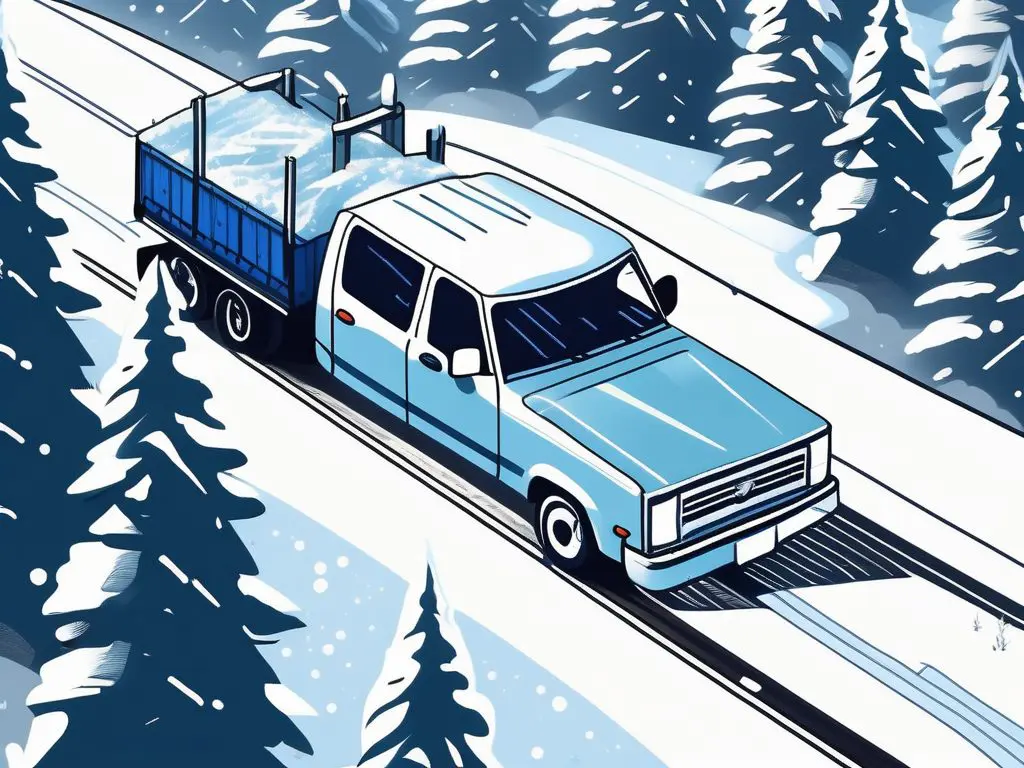
Winter can bring many challenges when it comes to shipping a car. However, with proper planning and preparation, you can ensure a smooth and successful shipping experience. In this article, we will discuss the various challenges of winter car shipping, how to prepare your car for the journey, choosing the right shipping company, understanding the shipping process, and tips for a hassle-free experience.
Understanding the Challenges of Winter Car Shipping
Shipping a car during the winter season comes with its own set of challenges. One of the biggest challenges is the unpredictable weather conditions that can impact the transportation process. If you need to ship a car from California to Washington, it’s essential to consider potential weather-related delays, such as heavy snowfall or icy roads, which can affect transit times. Let’s take a closer look at the weather conditions and their impact on shipping, as well as potential delays you may encounter.

Winter car shipping requires careful planning and consideration due to the unique challenges posed by the colder months. In addition to weather-related issues, factors such as road salt and de-icing chemicals used on highways can also affect the condition of vehicles in transit. It’s important to work with a reputable car shipping company that has experience navigating these challenges to ensure the safe and timely delivery of your vehicle.
Weather Conditions and Their Impact on Shipping
Winter weather can be harsh and unpredictable, with snowstorms, icy roads, and extreme temperatures. These conditions can affect the overall transportation process, including pickup and delivery times. It’s important to understand that shipping companies may experience delays and adjustments in their schedules due to inclement weather. Therefore, it’s crucial to be prepared for potential delays and stay in communication with your shipping company.
Furthermore, the impact of winter weather on car shipping extends beyond just delays. Cold temperatures can also affect the battery life of vehicles in transit, leading to potential issues upon delivery. Properly preparing your vehicle for shipment, such as ensuring it has a full tank of gas and checking the battery, can help mitigate some of these risks.
Potential Delays in Winter Car Shipping
During the winter season, there may be delays in the pickup and delivery of your car due to hazardous road conditions and weather-related restrictions. Shipping companies prioritize safety and may adjust schedules accordingly. It’s essential to have realistic expectations and remain flexible regarding the timeline of your car’s transportation.
Additionally, it’s advisable to discuss with your car shipping company about their contingency plans for winter weather delays. Understanding their protocols for navigating challenging conditions can provide you with peace of mind and assurance that your vehicle will reach its destination safely. By staying informed and proactive, you can help ensure a smooth winter car shipping experience despite the potential challenges.
Preparing Your Car for Winter Shipping
Before shipping your car during the winter season, it’s important to take certain steps to ensure its protection and readiness for the journey. Let’s explore some essential preparations you should undertake.
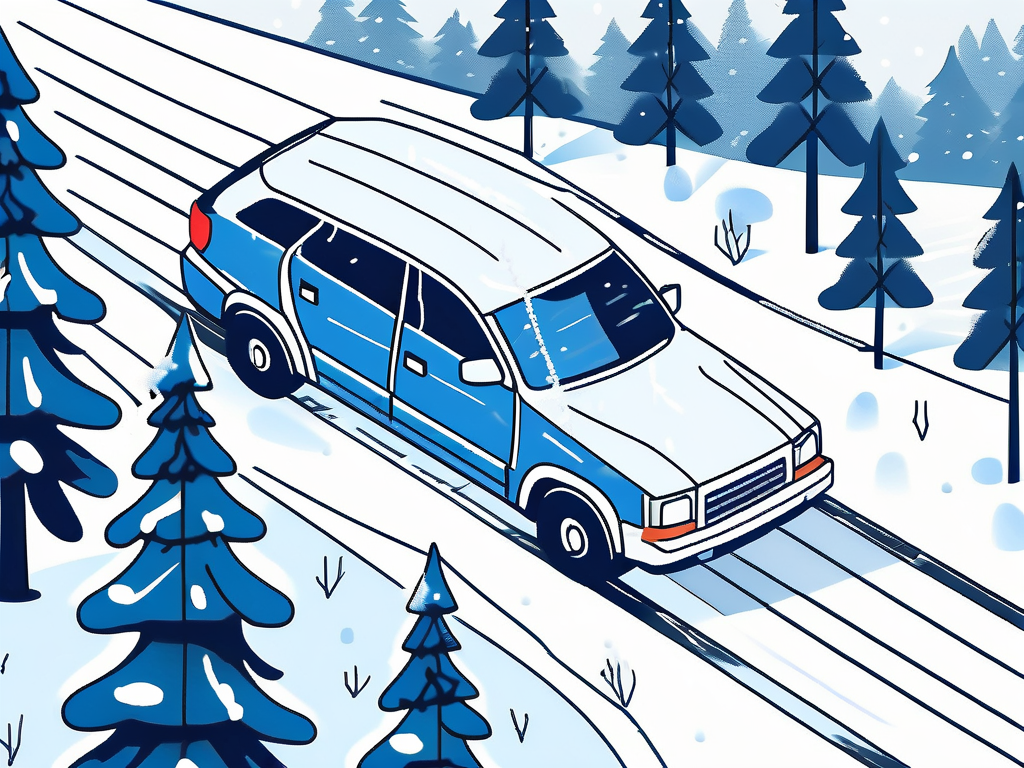
Winter can be a challenging time to transport a vehicle, with icy roads and harsh weather conditions posing potential risks to your car. By following a few key steps, you can help safeguard your vehicle and ensure it reaches its destination safely.
Cleaning and Maintenance Prior to Shipping
Prior to shipping, thoroughly clean your car, both inside and out. This will help you identify any existing damages and ensure that your car arrives in its best condition. Additionally, have your car serviced and inspected by a trusted mechanic to address any potential mechanical issues that may arise during transportation.
During the winter months, road salt and grime can accumulate on your vehicle, leading to potential corrosion and damage. By giving your car a comprehensive cleaning before shipping, you can protect its exterior from the corrosive effects of winter road treatments.
Protecting Your Car from Winter Elements
Winter weather can take a toll on your car, so take extra precautions to protect it during transportation. Consider using a car cover to shield it from snow, ice, and road debris. It’s also a good idea to place floor mats and plastic covers to prevent damage from wet and muddy boots. Taking these steps will help ensure your car remains in optimal condition throughout the shipping process.
In addition to external protection, it’s important to safeguard the interior of your car from the winter elements. Moisture from snow and slush can seep into the carpets and upholstery, leading to mold and mildew issues. By using protective covers and mats, you can prevent water damage and keep your car’s interior looking its best.
Choosing the Right Shipping Company
When it comes to shipping your car during the winter season, it’s crucial to select a reputable and experienced shipping company. Let’s discuss what factors you should consider when evaluating different companies, especially if you’re looking to ship a car to Utah. Consider the company’s experience with winter conditions, as snow, ice, and cold temperatures can impact transportation schedules and vehicle safety. Additionally, verify that the company offers proper insurance coverage, handles weather-related delays efficiently, and provides options like enclosed transport for added protection during harsh weather conditions.
Winter can pose unique challenges for car shipping, with icy roads and unpredictable weather conditions. It’s important to choose a shipping company that has a proven track record of safely transporting vehicles during the winter months. Look for companies that have specialized equipment and trained drivers to handle winter driving conditions effectively.
Evaluating Shipping Companies’ Winter Policies
Not all shipping companies have the same policies and procedures for winter car shipping. It’s essential to review their winter policies and understand how they handle weather-related delays and issues. Look for companies that have contingency plans in place and prioritize safety during the transportation process.
Some companies may offer additional services during the winter, such as heated trailers or climate-controlled storage facilities to protect your vehicle from harsh winter elements. These extra precautions can provide added peace of mind when shipping your car in colder months.
Insurance Considerations for Winter Shipping
Before choosing a shipping company, ensure that they provide adequate insurance coverage for your car during the winter season. Accidents can happen despite precautions, and having proper insurance coverage will give you peace of mind knowing that your car is protected in case of any unforeseen events.
It’s also important to review the shipping company’s insurance policy to understand what is covered and what steps you need to take in case of any damage or loss during transit. Some companies may offer additional insurance options for winter shipping to provide comprehensive coverage for your vehicle.
The Shipping Process Explained
Understanding the shipping process can help you navigate through the winter season and ensure a smooth experience. Let’s explore the various steps involved in shipping your car.
Shipping your car during the winter months can present unique challenges due to inclement weather conditions. Snow, ice, and cold temperatures can impact the transportation process, potentially causing delays. It’s essential to work closely with the shipping company to address any weather-related concerns and make necessary adjustments to your shipping plan.
Booking and Scheduling Your Car’s Winter Shipping
When booking your car’s shipping, it’s important to plan ahead and allow for extra time due to potential weather-related delays. Communicate your specific requirements, including pickup and delivery locations and any special requests, to the shipping company. This will help them create a tailored shipping plan for your car.
Additionally, consider opting for enclosed transport during the winter season to provide extra protection for your vehicle against harsh weather conditions. Enclosed transport offers a higher level of security and shields your car from snow, ice, and road salt, ensuring it arrives at its destination in pristine condition.
Pickup and Delivery in Winter Conditions
During the winter season, be prepared for changes in pickup and delivery arrangements. Depending on the weather conditions and road safety, the shipping company may decide to adjust the pickup and delivery locations. Stay in close communication with the shipping company to ensure a smooth pickup and delivery process.
It’s advisable to have a backup plan in place in case of unexpected weather-related disruptions. By staying flexible and proactive, you can mitigate potential delays and ensure that your car reaches its destination safely and on time.
Tips for a Smooth Winter Car Shipping Experience
To ensure a hassle-free shipping experience during the winter season, keep the following tips in mind.
Communication with Your Shipping Company
Maintaining open lines of communication with your shipping company is crucial, especially during the winter season. Stay updated on any potential delays or changes in the shipping schedule and be flexible in accommodating adjustments. Regular communication will help you navigate through any unexpected challenges.
It’s also beneficial to inquire with the shipping company about their winter shipping protocols. Some companies may offer additional services or precautions specifically tailored to winter conditions, such as heated storage options or specialized handling procedures for cold weather.
Post-Shipping Car Care in Winter
After your car has been delivered, it’s important to give it proper care, considering the winter conditions it endured during transportation. Wash off any salt and debris from the roads to prevent corrosion and rust. Additionally, check for any damages or issues that may have occurred during the shipping process and address them promptly.
Furthermore, consider applying a protective wax coating to your vehicle to shield it from the harsh winter elements. This extra layer of protection can help maintain your car’s exterior finish and prevent damage from snow, ice, and road salt.
By understanding the challenges, preparing your car, choosing the right shipping company, and staying informed throughout the shipping process, you can ship your car during the winter season with confidence. Take the necessary precautions, communicate effectively, and ensure your car’s protection, and you’ll have a successful winter car shipping experience.
Ready to ship your car this winter with confidence? Look no further than Long Distance Towing. With our nationwide network of over 10,000 reliable carriers, we ensure your vehicle is transported safely and efficiently, no matter the distance. Wondering can you ship a car with expired registration? While most transport companies allow it, it’s best to confirm with your carrier.
Don’t let winter weather delay your plans. Get A Quote Today and experience the peace of mind that comes with choosing Long Distance Towing for your auto transport needs.