

Have you ever wondered how to transport RVs and mobile homes safely and efficiently? Whether you are moving to a new location or simply need to transport your recreational vehicle or mobile home for repairs or renovations, understanding the basics of transportation is crucial. In this article, we will explore the key steps and considerations involved in moving these large and valuable assets. From essential pre-transportation checks to choosing the right transportation method and ensuring legal and safety compliance, we’ve got you covered. So let’s dive in and learn how to transport RVs and mobile homes like a pro!
Understanding the Basics of RV and Mobile Home Transportation
Before we delve into the specifics of transporting RVs and mobile homes, it’s important to understand the key differences between these two types of dwellings. While both provide the convenience of a living space on wheels, there are notable variations in terms of structure and functionality.
RVs, also known as recreational vehicles, are designed to be towed behind a vehicle or driven on their own chassis. They typically provide living accommodations for short-term stays and are popular among travelers and outdoor enthusiasts.
Mobile homes, on the other hand, are larger and more akin to traditional houses in terms of size and layout. These structures are built on a permanent chassis and are designed for long-term living.
Understanding these differences is crucial as the transportation process may vary depending on the type of dwelling you need to move.
Essential Pre-Transportation Checks
Before you embark on the journey of transporting your RV or mobile home, it’s essential to perform a thorough inspection and address any potential issues. Here are some key checks you should undertake:
- Check the tires: Ensure that the tires are properly inflated and in good condition. Replace any worn-out tires to prevent accidents on the road.
- Inspect the brakes: Test the brakes to ensure they are functioning correctly. Seek professional assistance if any repairs or maintenance are needed.
- Verify the hitch and towing components: If you’re towing an RV, check the hitch and towing components to ensure they are in proper working order.
- Secure loose items: Before transportation, secure all loose items inside the RV or mobile home to prevent damage during transit.
- Check the electrical and plumbing systems: Test the electrical and plumbing systems to ensure they are in good working condition.
By conducting these pre-transportation checks, you can minimize the risk of unexpected issues during the journey.
Additionally, it is important to consider the weight distribution of your RV or mobile home. Improper weight distribution can lead to instability and difficulty in maneuvering the vehicle. To ensure proper weight distribution, you may need to redistribute the weight of your belongings inside the dwelling. This can be achieved by moving heavier items towards the center of the vehicle and distributing the weight evenly on both sides.
Furthermore, it is advisable to check the local regulations and requirements for transporting RVs and mobile homes in the areas you will be passing through. Different states and countries may have specific rules regarding the transportation of these dwellings, such as permits, height restrictions, and weight limits. Familiarizing yourself with these regulations beforehand will help you avoid any legal complications or delays during your journey.
Choosing the Right Transportation Method
Once you’ve completed the necessary pre-transportation checks, it’s time to determine the best method for transporting your RV or mobile home. There are two primary options to consider: self-driving or hiring professional transportation services.
Transporting your RV or mobile home is a significant decision that requires careful consideration. Whether you opt for self-driving or professional transportation services, ensuring the safety and security of your valuable investment is paramount.
Self-Driving Your RV or Mobile Home
If you are comfortable behind the wheel and have experience towing large vehicles, self-driving your RV or mobile home can be a cost-effective option. However, it’s crucial to ensure that you have the necessary driving skills and licenses.
Embarking on a self-driving journey with your RV or mobile home requires meticulous planning. From selecting the most suitable route to understanding road regulations and potential challenges along the way, thorough preparation is key to a successful transportation experience.
Prior to hitting the road, familiarize yourself with safety protocols, emergency procedures, and maintenance requirements specific to RV or mobile home travel. Additionally, consider investing in advanced driving courses to enhance your skills and confidence on the road.
Hiring Professional Transportation Services
If the idea of self-driving your RV or mobile home seems overwhelming, or if you lack the required driving skills or licenses, hiring professional transportation services may be the best option for you.
Entrusting your RV or mobile home to professional transporters can provide peace of mind and convenience. These experts possess the knowledge, experience, and resources to ensure the secure and efficient transportation of your vehicle to its destination.
Before finalizing your decision to hire a transportation company, conduct thorough research to evaluate their track record, customer reviews, and industry certifications. Requesting multiple quotes and comparing services will enable you to make an informed choice that aligns with your budget and transportation needs.
Preparing Your RV or Mobile Home for Transportation
Regardless of whether you choose to self-drive or hire professionals, proper preparation of your RV or mobile home is crucial to ensure a smooth and safe transportation process.
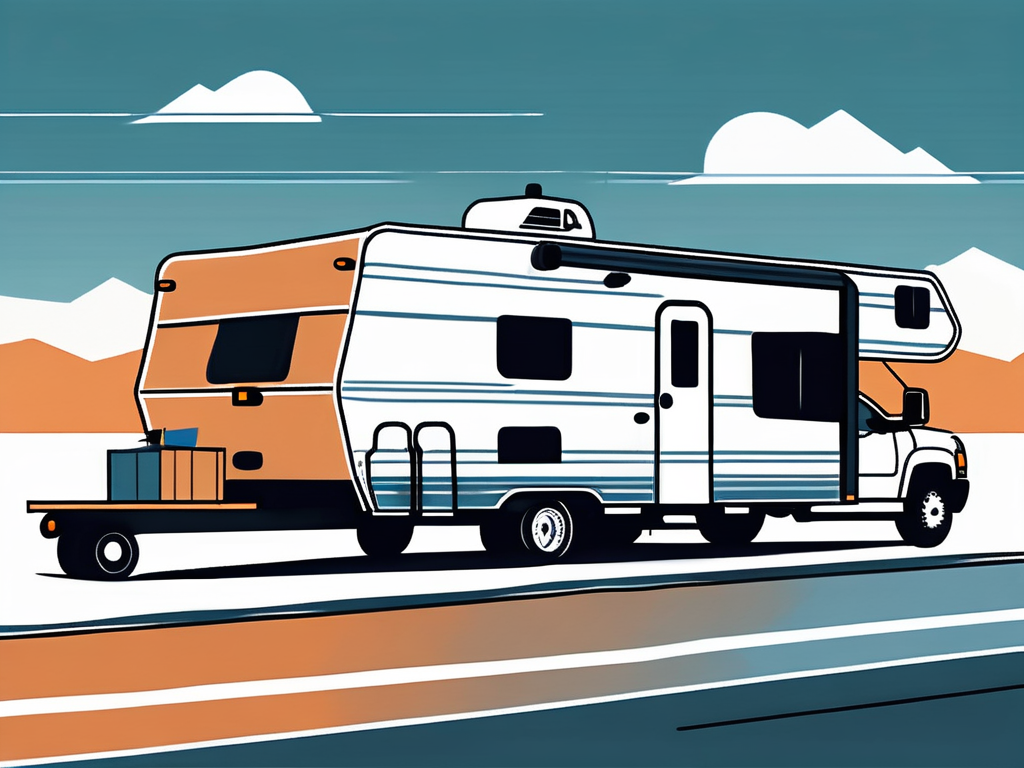
Transporting an RV or mobile home can be a daunting task, but with the right preparation, you can minimize the risk of damage and ensure a stress-free journey. Taking the time to secure both the interior and exterior of your vehicle is key to a successful transport.
Securing Interior Items
Begin by securing all interior items, such as furniture, appliances, and personal belongings. Use bungee cords or other secure fasteners to prevent movement during transit.
It’s also a good idea to empty out any cabinets or shelves that could swing open during transportation. Secure loose items in boxes or bins to prevent them from shifting and causing damage.
Consider removing any fragile or valuable items that could be prone to damage during transportation. Pack them separately and transport them in your personal vehicle for added safety.
Checking and Preparing the Exterior
Next, carefully inspect the exterior of your RV or mobile home. Look for any loose or damaged components, such as awnings, antennas, or vents. Repair or remove them to prevent potential damage during transportation.
Inspect the roof of your RV for any signs of wear or damage. Make any necessary repairs to prevent leaks during transit, especially if you’ll be traveling through rainy or snowy conditions.
Ensure that all windows, doors, and storage compartments are securely closed and locked. This will prevent them from opening during transit and protect your belongings from falling out.
Finally, cover your RV or mobile home with an appropriate protective cover to shield it from road debris, dust, and inclement weather conditions.
Consider investing in wheel chocks to prevent your RV from rolling during loading and unloading. These simple devices can provide an extra layer of security and stability during transportation.
Legal and Safety Considerations
When it comes to transporting large vehicles like RVs and mobile homes, there are legal and safety considerations that must be taken into account.
Understanding Transportation Laws and Regulations
Each state or province may have specific laws and regulations governing the transportation of oversized vehicles. It’s essential to familiarize yourself with these requirements to avoid fines or legal issues.
Check permit requirements for oversized loads and obtain the necessary permits if required. Additionally, adhere to weight restrictions and follow designated routes to ensure compliance and prevent unnecessary delays.
Ensuring Road Safety During Transportation
During transportation, it’s important to prioritize road safety to protect yourself, your property, and other road users. Here are some key safety tips to follow:
- Adhere to speed limits and adjust your driving technique to account for the added weight and size of your RV or mobile home.
- Stay alert and avoid distractions while driving. Make sure to take regular breaks to prevent fatigue.
- Use your mirrors and signal well in advance when changing lanes or making turns.
- Keep a safe distance from other vehicles to allow for a longer stopping distance.
By following these safety guidelines, you can ensure a smooth and incident-free transportation journey.
Post-Transportation Steps
Once your RV or mobile home has reached its destination, it’s important to conduct a thorough post-transportation inspection to ensure everything is intact and in working order.
Inspecting Your RV or Mobile Home After Transport
Inspect the interior and exterior of your RV or mobile home for any signs of damage or issues that may have occurred during transportation. Check for leaks, cracks, or structural damage, and ensure that all systems are functioning properly.
If you notice any problems, document them and contact the transportation company if necessary. Taking quick action will help you resolve any issues promptly and potentially avoid costly repairs down the road.
Settling Into Your New Location
Once you’ve completed the post-transportation inspection and confirmed that everything is in order, it’s time to settle into your new location. Take the time to familiarize yourself with your surroundings, arrange your belongings, and make any necessary adjustments to ensure your RV or mobile home feels like home again.
Remember to update your address with relevant parties, such as your insurance provider, utility companies, and other essential services. This will ensure a smooth transition and uninterrupted services at your new location.
Transporting RVs and mobile homes may seem like a daunting task, but with proper planning, preparation, and adherence to legal and safety guidelines, it can be a seamless process. Whether you choose to self-drive or hire professional transportation services, taking the time to understand the basics and following the necessary steps will help ensure a successful and stress-free journey. So get ready to embark on your next adventure or relocate with confidence, knowing that your RV or mobile home is in safe hands!
Ready to transport your RV or mobile home with ease and confidence? Look no further than Long Distance Towing. Our nationwide auto transport services are designed to handle your large-scale transportation needs with the utmost care and professionalism. With a network of over 10,000 reliable carriers, we ensure your vehicle arrives safely at its destination, no matter the distance. Don’t let the logistics of moving your RV or mobile home overwhelm you. Get A Quote Today and let us take the wheel for a stress-free relocation experience.