
https://longdistancetowing.com/arkansas-auto-transport/
In today’s rapidly evolving world, the Arkansas auto transport industry is at a crucial junction. With new trends and innovations shaping the way we move people and goods, it is essential to understand the current landscape and anticipate what lies ahead. This article explores the latest developments in auto transport, ranging from the role of technology to environmental concerns and emerging trends. Additionally, we discuss the potential challenges and solutions on the horizon, as well as the long-term impact these trends and innovations may have on our daily lives.
Understanding the Current Landscape of Auto Transport
Before diving into the future of auto transport, it is important to grasp the current state of the industry. Transportation plays a vital role in our global economy, with an increasing demand for efficient and sustainable means of transporting goods and people. The rise of e-commerce and urbanization has amplified the need for reliable transportation services.
In today’s fast-paced world, technology is revolutionizing the auto transport sector, paving the way for efficient and intelligent solutions. One such example is the implementation of GPS tracking systems, enabling real-time monitoring of vehicles and enhancing route optimization. This not only ensures timely deliveries but also minimizes fuel consumption and reduces carbon emissions.
Moreover, data analytics and machine learning algorithms are being leveraged to analyze transportation patterns and predict demand, resulting in more streamlined operations. By understanding customer preferences and optimizing logistics, companies can reduce costs and improve overall efficiency.
The Role of Technology in Auto Transport
In recent years, advancements in autonomous driving technology have gained significant traction. With the potential to revolutionize the industry, autonomous vehicles have the capacity to minimize accidents, enhance fuel efficiency, and reduce traffic congestion. Imagine a future where vehicles communicate with each other, making split-second decisions to avoid collisions and optimize traffic flow. This not only improves safety but also reduces travel time, making transportation more efficient than ever before.
However, concerns surrounding safety and regulatory framework continue to be addressed for widespread adoption. As autonomous vehicles become more prevalent on our roads, it is crucial to establish guidelines and regulations to ensure their safe integration into existing transportation systems. This includes addressing ethical dilemmas such as decision-making algorithms in critical situations, ensuring public trust in this transformative technology.
The Impact of Environmental Concerns on Auto Transport
Environmental sustainability has become a pressing issue in the auto transport industry. As the world becomes more conscious of climate change and carbon emissions, there is a growing demand for eco-friendly transportation alternatives. Electric vehicles (EVs) offer a promising solution, as they produce zero emissions and reduce dependence on fossil fuels.
Furthermore, advancements in battery technology have increased the range and charging capabilities of EVs, making them a practical choice for long-distance travel. As the infrastructure for EV charging continues to improve, adoption rates are expected to soar, ultimately revolutionizing the auto transport industry. Imagine a future where electric charging stations are as common as gas stations, allowing EV owners to travel without range anxiety.
Additionally, the integration of renewable energy sources, such as solar and wind, into the charging infrastructure can further enhance the sustainability of electric vehicles. By harnessing clean energy to power our transportation systems, we can significantly reduce our carbon footprint and mitigate the environmental impact of auto transport.
Emerging Trends in Auto Transport
Looking towards the future, several key trends are poised to shape the auto transport industry in the coming years. These include the rise of autonomous vehicles and the increasing adoption of electric vehicles.
The Rise of Autonomous Vehicles
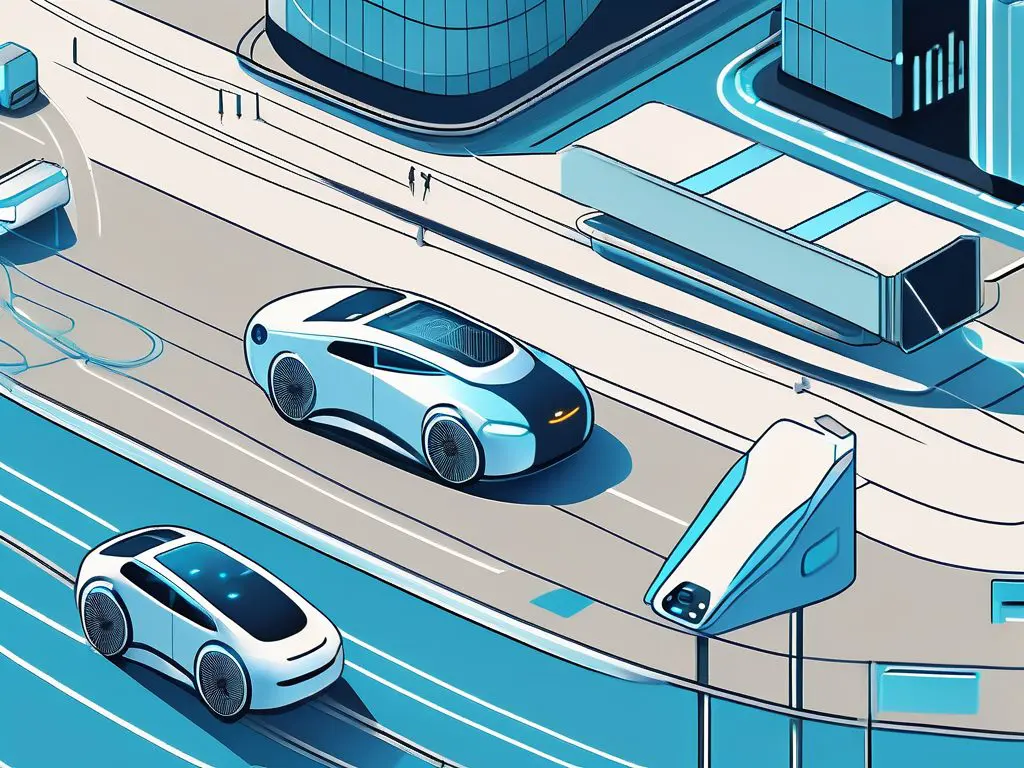
Autonomous vehicles, also known as self-driving cars, have emerged as a significant trend in the auto transport industry. With advancements in artificial intelligence and sensor technology, autonomous vehicles have the potential to transform transportation as we know it.
Imagine a world where you can sit back, relax, and let your car do the driving. Beyond reducing the number of accidents caused by human error, self-driving cars have the ability to optimize traffic flow, alleviate congestion, and enhance fuel efficiency. Picture a commute where traffic jams are a thing of the past, and your car seamlessly communicates with other vehicles to ensure a smooth and efficient journey.
However, the widespread implementation of autonomous vehicles faces challenges that need to be addressed. Ensuring safety is of utmost importance, as self-driving cars must be able to navigate complex road conditions and make split-second decisions. Additionally, legal frameworks need to be established to regulate the use of autonomous vehicles, and public trust must be gained to ensure widespread acceptance and adoption. Overcoming these obstacles will be crucial for the successful integration of autonomous vehicles in our transportation system.
Electric Vehicles and the Future of Auto Transport
Electric vehicles represent another significant trend in auto transport, driven by the need for cleaner and more sustainable transportation options. The technology behind electric vehicles has improved significantly over the years, offering longer ranges and faster charging times.
Imagine a world where the hum of engines is replaced by the quiet and smooth operation of electric motors. As battery prices continue to decline, electric vehicles are becoming more affordable and accessible to a broader consumer base. With longer ranges and faster charging times, the limitations that once held back electric vehicles are gradually fading away.
Furthermore, governments and corporations are investing heavily in electric vehicle infrastructure and incentives, further driving the adoption of electric vehicles. Picture a future where charging stations are as common as gas stations, and the transition to electric vehicles becomes seamless and convenient for all.
The shift towards electric vehicles not only reduces greenhouse gas emissions but also decreases reliance on fossil fuels, creating a more sustainable future for auto transport. By embracing electric vehicles, we can pave the way for a cleaner and greener transportation system, benefiting both the environment and future generations.
Innovations Shaping the Future of Auto Transport
While the rise of autonomous vehicles and electric vehicles dominate the conversation around future auto transport, several other innovations are shaping the industry as well.
Advancements in Battery Technology
Battery technology is a critical aspect of electric vehicles, and ongoing advancements in this field are vital for their success. Researchers and manufacturers are making significant strides in battery technology, improving energy storage capacity, charging efficiency, and overall performance. These advancements will further enhance the range and capabilities of electric vehicles, making them a more viable option for long-distance travel.
The Integration of AI in Auto Transport
Artificial intelligence (AI) is rapidly transforming various industries, and the auto transport sector is no exception. AI-powered systems can analyze vast amounts of data in real-time, enabling more efficient route planning, accurate demand forecasting, and enhanced safety features. Additionally, AI can help optimize energy consumption, reducing the environmental impact of auto transport while increasing operational efficiency.
The Potential Challenges and Solutions in Auto Transport
As the auto transport industry looks towards the future, it is essential to anticipate and address potential challenges that may arise in implementing these trends and innovations.
Addressing Safety Concerns in Future Auto Transport
One of the primary concerns surrounding the rise of autonomous vehicles is ensuring their safety. Cybersecurity threats and potential hardware malfunctions pose significant risks that must be addressed. Collaboration between industry stakeholders, government regulators, and technology developers is crucial in establishing robust safety standards and protocols. Extensive testing, validation, and continuous monitoring can help build public trust in autonomous vehicles.
Overcoming Infrastructure Challenges for Electric and Autonomous Vehicles
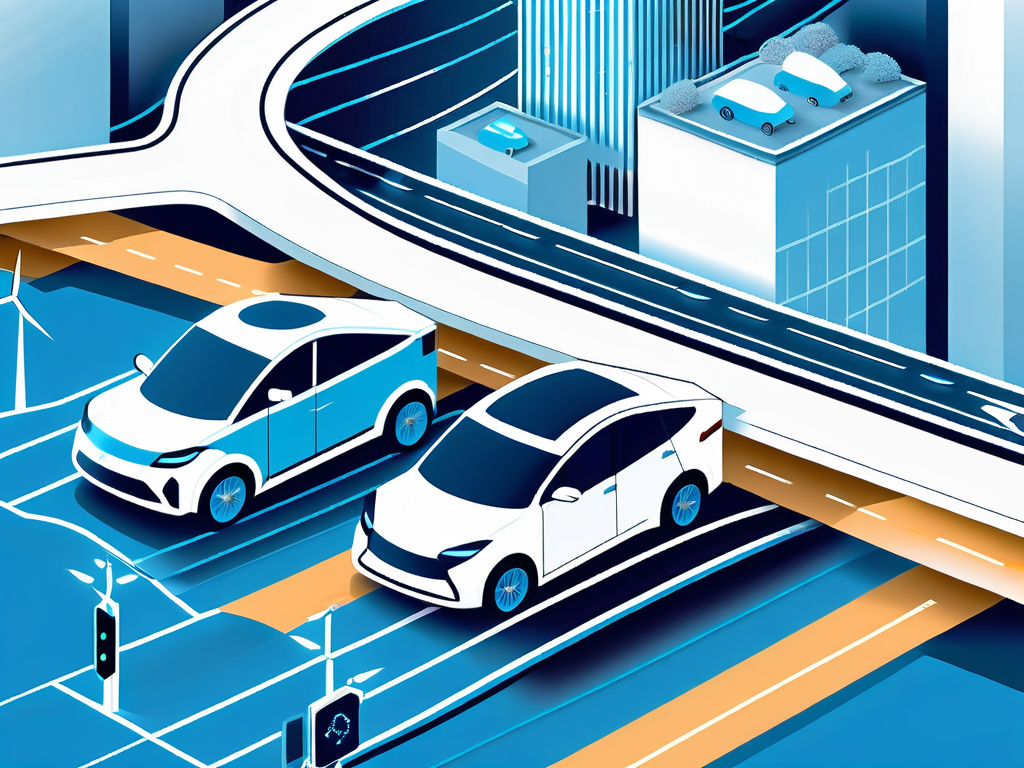
The successful integration of electric and autonomous vehicles heavily relies on an adequate infrastructure network. Widespread availability of charging stations is essential for the mass adoption of electric vehicles. Investments in charging infrastructure, both in public and private spaces, can help overcome range anxiety and make electric vehicles a viable option for all consumers.
Similarly, the implementation of autonomous vehicles requires the development of reliable communication systems, intelligent traffic management, and comprehensive mapping data. Collaboration between public and private sectors is necessary to create a robust infrastructure that can support the widespread use of autonomous vehicles.
The Long-Term Impact of These Trends and Innovations
The future of auto transport holds immense potential, not only in terms of technological advancements but also in the broader socio-economic landscape.

The Potential Economic Impact of Auto Transport Innovations
Auto transport innovations have the power to shape economies and industries, influencing job sectors and cross-border trade. The rise of autonomous vehicles and electric vehicles can lead to significant shifts in employment patterns, as well as disruption in traditional business models. As the industry evolves, it is crucial for governments and policymakers to develop strategies that facilitate a smooth transition, ensuring job creation and economic growth.
How These Innovations Could Change Our Daily Lives
From reducing commute times to improving road safety, the innovations in auto transport have the potential to transform our daily lives. Autonomous vehicles can provide more leisure and productive time for passengers, enhance accessibility for those with limited mobility, and redefine the concept of car ownership. Electric vehicles can improve air quality, reduce noise pollution, and decrease our dependence on non-renewable energy sources. Embracing these innovations will not only make transportation more efficient but also create a sustainable and interconnected society.
In conclusion, the future of auto transport is bright with exciting trends and innovations on the horizon. From the role of technology’s impact on the industry to the rise of autonomous and electric vehicles, these developments have the potential to revolutionize the way we transport people and goods. However, addressing challenges surrounding safety, infrastructure, and the economy is crucial for a successful transition. By embracing these changes, we can create a more sustainable and efficient auto transport system that enhances our daily lives and supports the broader global economy.
As we look forward to the advancements in auto transport, it’s clear that the need for reliable and efficient vehicle shipping services will only grow. Long Distance Towing is at the forefront of meeting that demand, offering nationwide auto transport for cars and motorcycles with the utmost care. Whether you’re moving a classic car, a project vehicle, or need assistance after a breakdown, our network of over 10,000 trusted carriers is ready to provide full-service transportation from pickup to delivery. Embrace the future of auto transport and ensure your vehicle’s journey is in expert hands. Get A Quote Today and experience seamless, long-distance towing tailored to your needs.