

Tow trucks play a crucial role in the automotive industry by providing assistance to vehicles in distress. Whether it’s a breakdown on the highway or an illegally parked car, tow trucks come to the rescue. However, not all tow trucks are created equal. There are different types of tow trucks, each with their own unique capabilities and uses. In this article, we will explore the various types of tow trucks and their specific applications to help you understand the intricacies of this vital industry.
The Evolution of Tow Trucks
The Birth of Tow Trucks
The concept of tow trucks dates back to the early 20th century when the automotive industry was rapidly growing. As roads became more crowded with vehicles, the need for a specialized vehicle to remove disabled cars from the streets emerged. The birth of the tow truck was a revolutionary solution to this problem, providing a means to transport disabled vehicles to safe locations for repairs or storage.
One of the earliest recorded tow trucks was built in 1916 by Ernest Holmes, Sr., in Chattanooga, Tennessee. Holmes, a garage worker, was inspired to create a vehicle capable of towing cars after witnessing the difficulty of removing a car from a creek using ropes and manpower. His invention, the Holmes 680, featured a winch and a boom mounted on the back of a 1913 Cadillac. This marked the beginning of the modern tow truck era, setting the stage for further innovations in the industry.
Modern Advances in Tow Truck Technology
Over the years, tow truck technology has advanced significantly to meet the ever-changing demands of the automobile industry. Innovations such as hydraulic lift systems, advanced winches, and sturdy flatbeds have made towing safer and more efficient than ever before. These advancements have not only improved the functionality of tow trucks but also increased their versatility in handling different types of vehicles.
For those who don’t know already can read this post to know how much does a tow truck weigh.
One notable modern advancement in tow truck technology is the introduction of integrated GPS systems and digital dispatching software. These tools allow towing companies to streamline their operations, track the location of their fleet in real-time, and optimize routes for quicker response times. Additionally, some tow trucks now come equipped with automated vehicle location systems, enabling dispatchers to assign the nearest available truck to a service call promptly.
The Anatomy of a Tow Truck
Key Components of a Tow Truck
A typical tow truck consists of several key components that enable it to perform its tasks effectively. The chassis, often based on a heavy-duty truck, provides the foundation for the tow truck’s structure and strength. The boom and winch are essential in lifting and towing vehicles, while the bed or platform provides a stable surface for secure transportation. Additionally, tow trucks are equipped with a range of safety features, including emergency lights, reflectors, and durable tow straps.
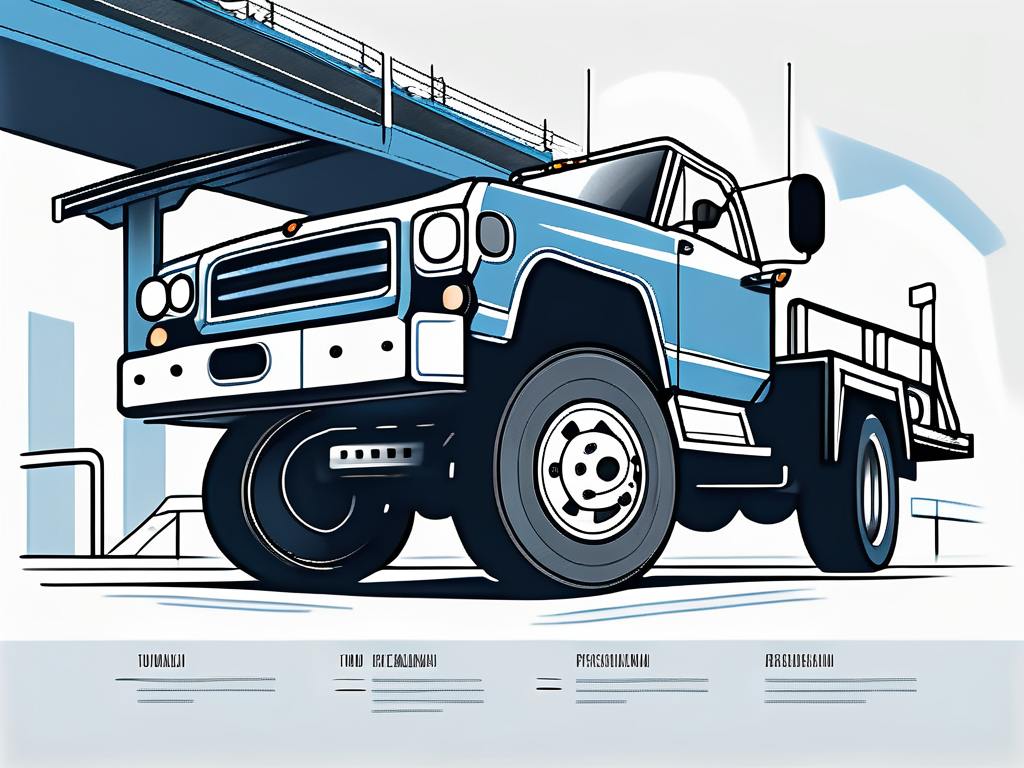
Another crucial component of a tow truck is the hydraulic system, which powers the boom and winch mechanisms. This system allows for precise control over lifting and towing operations, ensuring the safety of both the tow truck operator and the vehicle being towed. The hydraulic system is designed to handle heavy loads and withstand the rigors of frequent use, making it a vital part of the tow truck’s functionality.
Understanding Tow Truck Capacities
It is crucial to understand the towing capacities of different tow trucks to ensure safe and efficient operations. Towing capacity refers to the maximum weight a tow truck can safely tow without compromising its stability and performance. Factors such as the type of tow truck, engine power, suspension system, and the condition of the vehicle being towed all impact the towing capacity. Manufacturers provide detailed specifications for each tow truck model, allowing operators to determine the suitability of a specific truck for a particular job.
Furthermore, the braking system of a tow truck plays a critical role in its towing capacity. The ability of the tow truck to safely stop while towing a heavy load is dependent on the effectiveness of its braking system. Tow trucks are equipped with specialized brakes designed to handle the additional weight and momentum of towed vehicles. Regular maintenance and inspection of the braking system are essential to ensure optimal performance and safety during towing operations.
Types of Tow Trucks
Flatbed Tow Trucks
Flatbed tow trucks, also known as rollback or slide tow trucks, are widely used for transporting all types of vehicles. These trucks feature a flat platform that can be hydraulically tilted, allowing vehicles to be loaded onto the bed. Flatbed tow trucks are ideal for towing luxury or high-end vehicles as they eliminate the risk of damage caused by traditional hook and chain methods. Additionally, the flatbed design provides a stable and secure platform for long-distance transportation.
When it comes to transporting valuable vehicles, such as vintage cars or expensive sports cars, flatbed tow trucks are the go-to choice for many towing professionals. The hydraulic tilting mechanism allows for a gentle and smooth loading process, minimizing the risk of any scratches or dents. This makes flatbed tow trucks the preferred option for car enthusiasts who want to ensure their prized possessions are handled with the utmost care.
Furthermore, the flat platform of these tow trucks offers versatility in terms of the size and weight of the vehicles they can transport. Whether it’s a compact car or a large SUV, a flatbed tow truck can accommodate a wide range of vehicle types. This flexibility makes them a popular choice for towing companies that deal with various vehicle sizes on a daily basis.
Hook and Chain Tow Trucks
Hook and chain tow trucks, also referred to as sling or belt tow trucks, were one of the earliest types of tow trucks. These trucks utilize chains or hooks to secure the disabled vehicle for transportation. While hook and chain tow trucks are not as commonly used today due to the potential for vehicle damage, they still serve a purpose in some situations. These trucks are often used for towing wrecked or severely damaged vehicles that may not be safe to load onto a flatbed tow truck.
Although hook and chain tow trucks have become less prevalent in the towing industry, they still play a crucial role in certain scenarios. For example, in the case of a vehicle that has been involved in a major accident and is extensively damaged, a hook and chain tow truck can safely secure and transport it to a repair facility. The ability to securely fasten the vehicle using chains or hooks ensures that it remains stable during transportation, preventing any further damage from occurring.
Additionally, hook and chain tow trucks are often used by law enforcement agencies or municipalities to remove illegally parked or abandoned vehicles. The simplicity and reliability of this towing method make it an efficient choice for quickly clearing the streets of vehicles that are obstructing traffic or posing a safety hazard.
I have discussed whether someone can tow my car without permission and mentioned about the illegal parking. Do take a look at the article to know more on this topic.
Wheel-Lift Tow Trucks
Wheel-lift tow trucks are versatile vehicles that can handle a wide range of towing scenarios. These trucks use metal arms or a hydraulic system to lift one or both of the disabled vehicle’s wheels off the ground. This method allows for quick and secure towing without the need for a flatbed. Wheel-lift tow trucks are commonly used for towing vehicles parked in tight spaces, as well as those with flat tires or mechanical problems that prevent the wheels from rotating.
One of the advantages of wheel-lift tow trucks is their ability to maneuver in narrow or congested areas where a flatbed tow truck may struggle to access. This makes them particularly useful in urban environments where parking spaces are limited and vehicles may be parked in tight spots. The metal arms or hydraulic system used to lift the wheels ensure a secure connection, allowing for safe transportation even in challenging conditions.
Moreover, wheel-lift tow trucks are often the preferred choice for vehicles with flat tires or mechanical issues that prevent them from being driven. By lifting the disabled vehicle’s wheels off the ground, these tow trucks can provide a solution for getting the vehicle to a repair shop without causing further damage. This makes them a reliable option for roadside assistance providers who need to quickly and efficiently assist stranded motorists.
Integrated Tow Trucks
Integrated tow trucks, also known as self-loading or repo tow trucks, provide a unique combination of towing capabilities. These trucks feature built-in mechanisms that allow them to load and transport vehicles without the need for additional equipment. Integrated tow trucks are often used for repossessing vehicles or in situations where quick and efficient towing is required. With their specialized design, these trucks can handle a wide range of vehicle sizes and weights, making them a valuable asset in the towing industry.
Integrated tow trucks are equipped with advanced technology and specialized features that streamline the towing process. They often have hydraulic arms or ramps that can extend and retract, allowing for seamless loading and unloading of vehicles. This eliminates the need for manual labor or additional equipment, saving time and increasing efficiency.
These tow trucks are particularly useful in repossession operations, where speed and precision are crucial. The integrated mechanisms enable towing professionals to quickly secure and transport vehicles that need to be repossessed, ensuring a swift resolution for lenders or financial institutions. Additionally, the ability to handle a wide range of vehicle sizes and weights makes integrated tow trucks a versatile choice for towing companies that deal with diverse towing requests on a regular basis.
The Specific Uses of Different Tow Trucks
When to Use Flatbed Tow Trucks
Flatbed tow trucks are especially useful when transporting luxury or high-value vehicles due to their superior safety and security features. Additionally, if the disabled vehicle has severe damage or cannot be driven, a flatbed tow truck is the preferred choice to avoid any further harm during transportation. The flatbed design ensures that the disabled vehicle remains level throughout the journey, reducing the risk of additional damage caused by uneven road surfaces or harsh weather conditions.
Ideal Situations for Hook and Chain Tow Trucks
While hook and chain tow trucks are not as commonly used as flatbed or wheel-lift tow trucks, they still have their specific applications. These trucks are often utilized for towing wrecked or extensively damaged vehicles that require special handling. The lack of direct contact with the disabled vehicle’s tires or suspension can prevent further damage during transportation. Moreover, hook and chain tow trucks are sometimes employed for short-distance tows where the risk of damage is minimal.
The Advantages of Wheel-Lift Tow Trucks
Wheel-lift tow trucks are highly versatile and offer several advantages in certain situations. Their compact size and agile maneuverability make them ideal for towing vehicles in narrow spaces. Additionally, the ability to lift only specific wheels of the disabled vehicle allows for efficient towing while minimizing the risk of damaging other parts. Wheel-lift tow trucks are particularly useful when dealing with vehicles with flat tires, as they eliminate the need for additional equipment to change the tire before towing.
The Specialized Role of Integrated Tow Trucks
When you’re searching for the best tow truck service in DC, it’s important to choose a company equipped with versatile towing solutions, including integrated tow trucks. These advanced trucks are designed for speed and efficiency, making them ideal for emergency situations and repossession jobs.
Their self-loading technology allows for fast and seamless vehicle transport, whether it’s a compact car or a larger SUV. Choosing a towing service with modern equipment ensures a quicker response time and a smoother experience, giving you peace of mind when you need help the most.
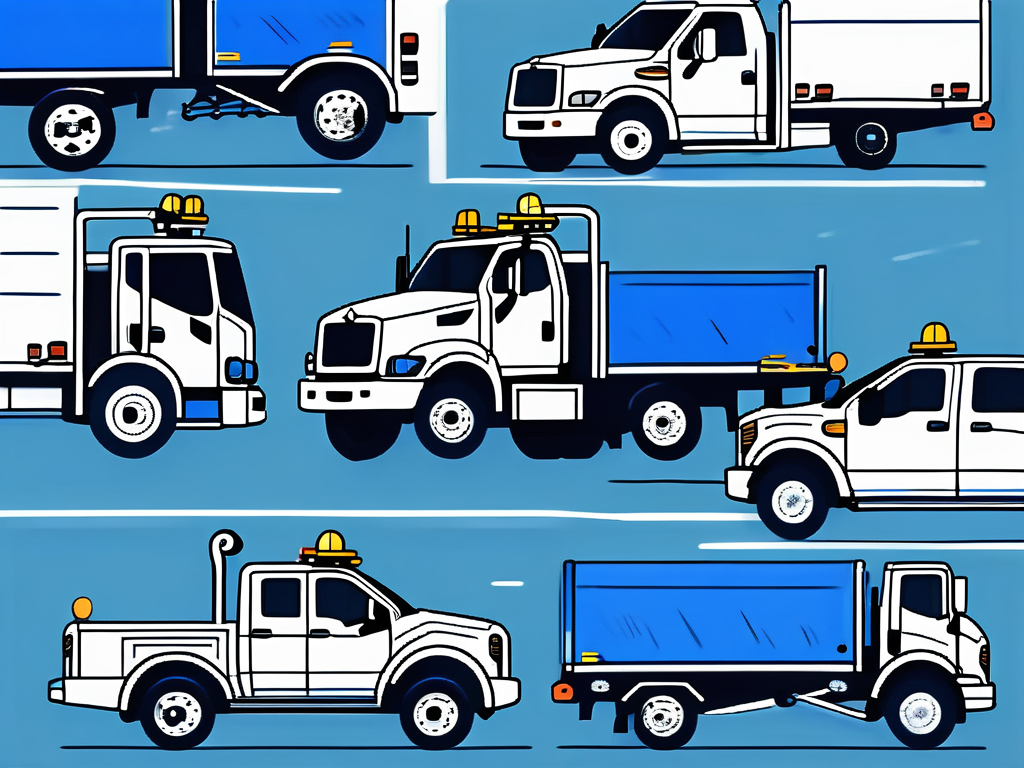
Understanding the different types of tow trucks and their specific uses is essential for anyone involved in the towing industry. Each type of tow truck has its own strengths and limitations, making them suitable for different scenarios. By knowing which tow truck to employ in various situations, towing companies can ensure the safety of both the towing operators and the vehicles being transported. Moreover, vehicle owners can rest assured knowing that their cars are in capable hands when they require the services of a tow truck.