
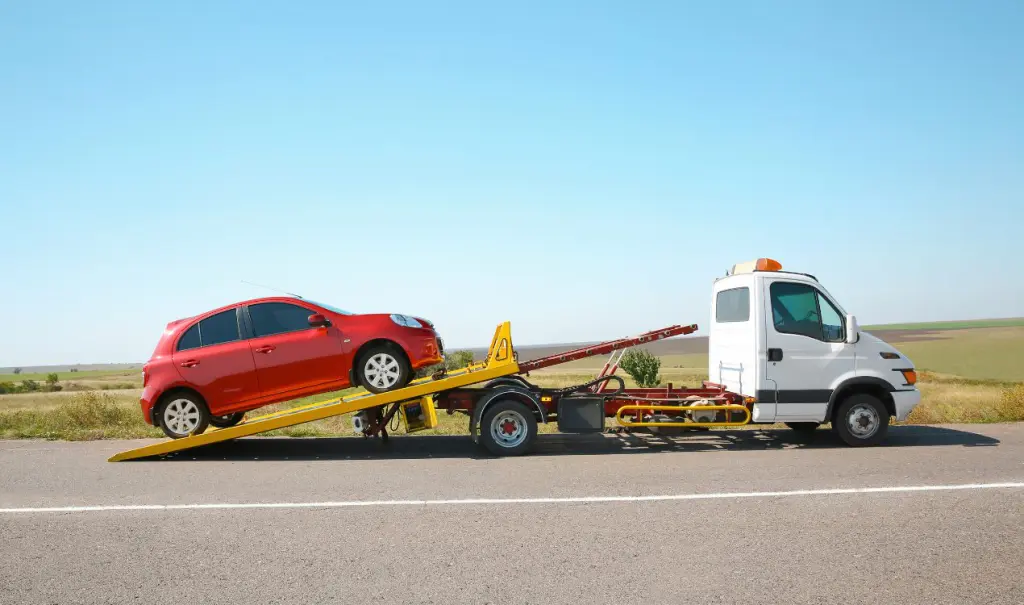
Need a tow and wondering what it’ll cost? Towing prices can vary depending on your location, vehicle type, distance, and situation.
This guide breaks down the key factors that affect towing costs so you know what to expect and how to avoid surprises when you need help on the road.
How much does towing cost per day?
Towing costs can range from $75 to $150 per day, depending on location, the type of vehicle, and additional fees. Rates may increase if the vehicle is stored for several days.
Key Takeaways
- Towing costs are affected by factors like location, distance, and vehicle size.
- The average cost for towing ranges from $75 to $200 or more, depending on the situation.
- Additional fees may apply for storage, mileage, and specialized services.
Factors That Affect Towing Costs
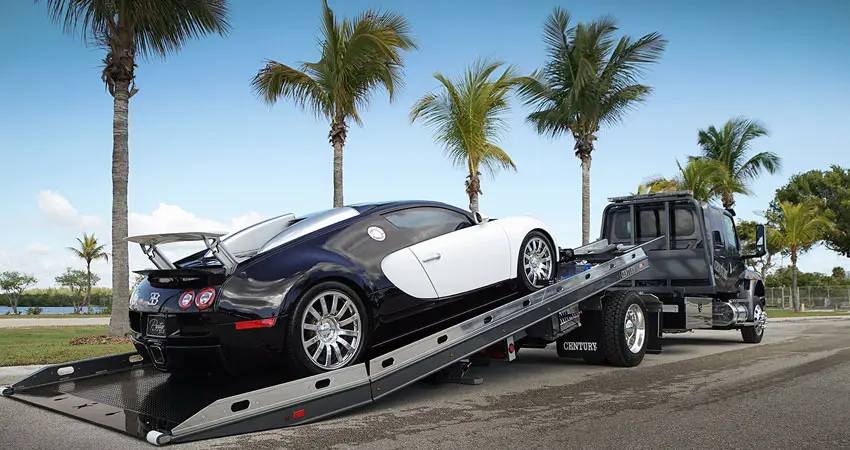
Towing costs aren’t one-size-fits-all, as various factors contribute to the final price. Here are the main factors that influence how much you’ll pay for a tow:
Location
Where you need the tow can significantly affect the price. Towing costs are generally higher in urban areas compared to rural areas due to higher demand and service fees.
For example, in major cities like Los Angeles or New York, the cost of a tow can be higher than in smaller towns due to traffic, congestion, and the increased cost of operating a tow truck in these areas.
- Urban Areas: Towing fees are usually higher due to higher demand and operating costs.
- Rural Areas: Towing tends to be more affordable as there’s less demand, and the service area is typically smaller.
Distance
The distance the tow truck needs to travel also plays a crucial role in pricing.
Most tow companies charge a flat rate for the first few miles, with additional charges for each mile beyond that.
For instance, a local tow within a few miles may cost less than a tow across the city or state.
- Local Tows: A short-distance tow within a city or town generally costs between $75 and $125.
- Long-Distance Tows: For long-distance towing, costs can increase significantly, sometimes ranging from $200 to $600 or more depending on the mileage.
Type of Vehicle
The size and weight of your vehicle will also impact the towing cost.
Larger or heavier vehicles, such as trucks or SUVs, typically cost more to tow because they require more effort and a larger, more powerful tow truck.
- Standard Vehicles: The cost for towing standard cars is generally lower.
- Heavy-Duty Vehicles: Towing large trucks, RVs, or commercial vehicles can cost significantly more, often upwards of $300 to $500 or more, depending on the vehicle size and weight.
Towing Service Type
The type of service required also influences towing costs. If your car is involved in an accident, for example, you may require a more complicated tow, such as a flatbed tow.
Towing fees may also increase if you need to have your vehicle towed from a difficult location, such as off-road or from a parking lot.
- Flatbed Towing: This method, which uses a flatbed truck to transport the vehicle, is more expensive than the standard two-wheel towing. Flatbed towing can cost between $100 and $300.
- Winching or Off-Road Towing: If your car is stuck in a difficult spot, winching services can cost between $50 and $150, in addition to the basic tow charge.
Time of Day and Emergency Towing
If you need a tow after hours or during the weekend, expect to pay more. Emergency towing services typically come with a premium price tag due to the need for immediate response.
- Standard Hours: Towing during regular business hours is the least expensive.
- After-Hours or Emergency: Emergency or off-hours towing can be 25% to 50% more expensive than regular hours.
Average Towing Costs
Now that you know the factors influencing the cost, let’s break down some typical costs for various towing services:
Local Tow (Under 5 Miles)
- Standard Vehicle: $75 to $125
- Heavy-Duty Vehicle: $200 to $500
Long-Distance Tow (Over 5 Miles)
- Standard Vehicle: $200 to $600
- Heavy-Duty Vehicle: $400 to $1,000
Specialised Towing
- Flatbed Towing: $100 to $300
- Winch-Out Service (Off-Road Towing): $50 to $150
Additional Fees
- Storage Fees: If your vehicle is stored at the towing company’s lot, you might have to pay a daily storage fee. This can range from $20 to $50 per day, depending on the location and the towing company.
- Mileage Fees: If your vehicle is towed beyond the included distance (usually 5 to 10 miles), expect to pay an additional $2 to $5 per mile.
How to Minimise Towing Costs
While some factors like location and vehicle size are out of your control, there are ways to reduce the cost of towing. Here are some tips to help minimise your towing fees:
Use Roadside Assistance
Many insurance providers and credit card companies offer roadside assistance services, which can significantly lower the cost of towing.
These services typically include free towing within a certain mileage limit. Be sure to check your insurance policy to see if you’re eligible for these services.
Compare Towing Companies
Towing prices can vary from company to company, even in the same location. Before requesting a tow, call around and compare prices.
Some towing companies may offer discounts or promotions, especially if you’re a member of certain programs.
Avoid Towing During Off-Hours
If you can wait for normal business hours, you’ll often avoid paying emergency towing premiums.
Try to plan ahead and avoid requiring a tow at night or during weekends when costs are typically higher.
When to Call for Towing

Owning a vehicle comes with a lot of responsibilities, and one of the most crucial aspects of car ownership is knowing when to call for a tow.
While the cost of towing can vary depending on the situation, understanding when it’s necessary can save you time, stress, and potential safety risks.
From breakdowns to accidents and even flat tires, knowing when to call a tow truck can make all the difference in handling the situation efficiently.
In this guide, we’ll walk you through the key scenarios where calling for towing is essential, and why it’s important to understand when to make that call.
Whether it’s a sudden breakdown or a more serious issue like an accident, we’ll break down the various situations where towing services become a necessity.
Car Breakdown: Don’t Risk It, Call for Towing
One of the most common scenarios where towing becomes necessary is when your car breaks down unexpectedly.
A car breakdown can happen at the most inconvenient times and in the most unpredictable locations.
If your car stops working in an unsafe or remote area, it’s important to call for a tow to ensure your safety.
Imagine you’re driving on a busy freeway or in an isolated area, and your car suddenly stalls.
Not only is this frustrating, but it also poses a serious risk to your safety, especially if you’re stranded in the middle of traffic.
Even if you manage to get your car off to the side, the potential for further damage, or worse, an accident, is significant.
In this case, calling for a tow ensures that you and your vehicle are moved to a safe location where you can deal with the issue.
It’s also essential to consider the complexity of the breakdown. Some issues, like a failed engine or transmission, require professional repairs that can’t be fixed on the spot.
If you’re not equipped to address the issue on your own, calling for a tow is the safest option.
After an Accident: Safety First
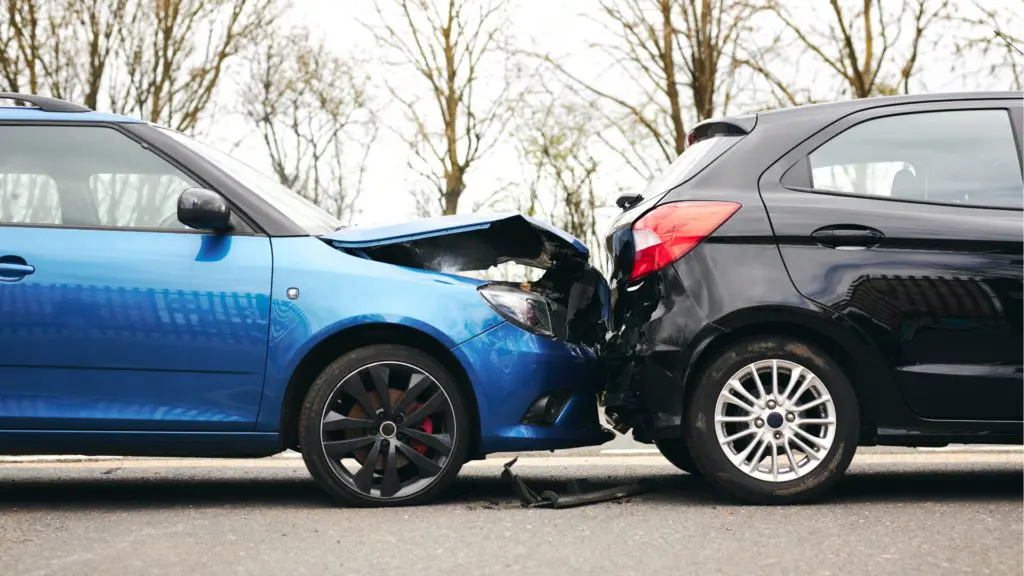
Car accidents, whether minor or severe, often result in damage to your vehicle, making it unsafe or impossible to drive.
If you’re involved in an accident, the first priority should always be safety. If the damage is extensive and your car is inoperable or compromised, calling for a tow is necessary.
In addition to ensuring your car is safely removed from the scene, calling a tow truck can help in clearing up traffic and allowing emergency responders to perform their duties.
In some cases, your insurance company may even arrange for a tow to an approved repair shop.
Towing after an accident helps prevent further damage to your car and ensures that it’s safely transported to a location where repairs can be made.
Don’t forget to check the extent of the damage to your car.
Sometimes, even a minor accident can cause significant underlying damage, such as to the suspension, exhaust, or electrical system.
These issues may not be immediately visible, but driving a car in this condition can cause even more damage, or worse, a breakdown on the road.
Calling for a tow right away is always the safest bet.
Flat Tire or Flat Battery: When DIY Isn’t Enough
Flat tires and dead batteries are two of the most common car issues. In many cases, you can fix these problems on your own.
However, if you’re unable to change a flat tire or jumpstart your car, or if you’re in a dangerous situation, it’s time to call for professional help.
A flat tire, while manageable in most cases, can become a major hassle if you don’t have the necessary tools or knowledge to change it.
If you’re stuck in a high-traffic area or if you don’t have a spare, calling for a tow can get you out of the situation safely.
Similarly, a flat battery might seem like a quick fix, but it can become a much bigger problem if you’re stranded in the wrong place or if jump-starting doesn’t work.
If you’re unable to get the car started on your own or you’re unsure how to safely handle the situation, calling for a tow is the best course of action.
A tow truck can take your vehicle to a nearby service centre or your home so you can resolve the issue without further delay.
Parking Violations: When Your Car Needs to Be Moved
In cities or towns with strict parking regulations, vehicles that are illegally parked are often towed away by local authorities.
If your car is parked in a space where it shouldn’t be, whether it’s in front of a fire hydrant, blocking a driveway, or in a no-parking zone, you may find that your car is towed without your knowledge.
When a vehicle is towed due to parking violations, it’s important to act quickly to locate it.
Towing companies usually charge significant fees for retrieving your car, and the longer you wait, the more expensive it can become.
If you realise your car has been towed, contact the towing company or local authorities immediately to find out where your car is located and how to retrieve it.
Parking violations are especially common in large cities, where space is limited, and regulations are strictly enforced.
If you’re unsure about where to park, always double-check the signs and be mindful of any parking restrictions to avoid the hassle of a tow.
When to Call for Towing: Key Takeaways
While it can be tempting to try and handle the situation yourself, knowing when to call for towing is essential for both your safety and the safety of your vehicle.
Towing should be a go-to option when:
- Your car breaks down in an unsafe location, such as on a busy freeway or in an isolated area.
- After an accident, when your car is too damaged to drive or you need it safely removed from the scene.
- Flat tire or battery issues that can’t be resolved safely or efficiently on your own.
- Parking violations when your car is towed by local authorities for being in a prohibited space.
Understanding when to call for a tow can save you time, prevent further damage to your vehicle, and ensure that you’re taking the safest course of action in difficult situations.
Keep these scenarios in mind and don’t hesitate to call for towing when necessary. It can make all the difference in keeping you, your car, and others on the road safe.
Frequently Asked Questions
1. How much does it cost to tow a car a mile?
On average, towing costs range from $2 to $5 per mile after the first 5 to 10 miles. The price will depend on your location and the towing company.
2. How can I avoid high towing costs?
To avoid high towing fees, consider using roadside assistance through your insurance or credit card, and always compare prices from multiple towing companies before calling for help.
3. Does insurance cover towing costs?
Many insurance policies offer roadside assistance coverage that includes towing. However, coverage may be limited to a certain number of miles, so it’s essential to check your specific policy for details.
Conclusion
Towing costs can vary greatly depending on multiple factors, including distance, the type of vehicle, location, and time of day.
On average, a basic tow can cost anywhere from $75 to $200 for short distances, with prices rising for long-distance or emergency towing.
By understanding the factors that affect towing costs and exploring options like roadside assistance or comparing companies, you can minimize the impact of an unexpected tow on your wallet.
Always be prepared for the possibility of needing a tow, and take steps to ensure that you get the best deal possible in case of an emergency.