
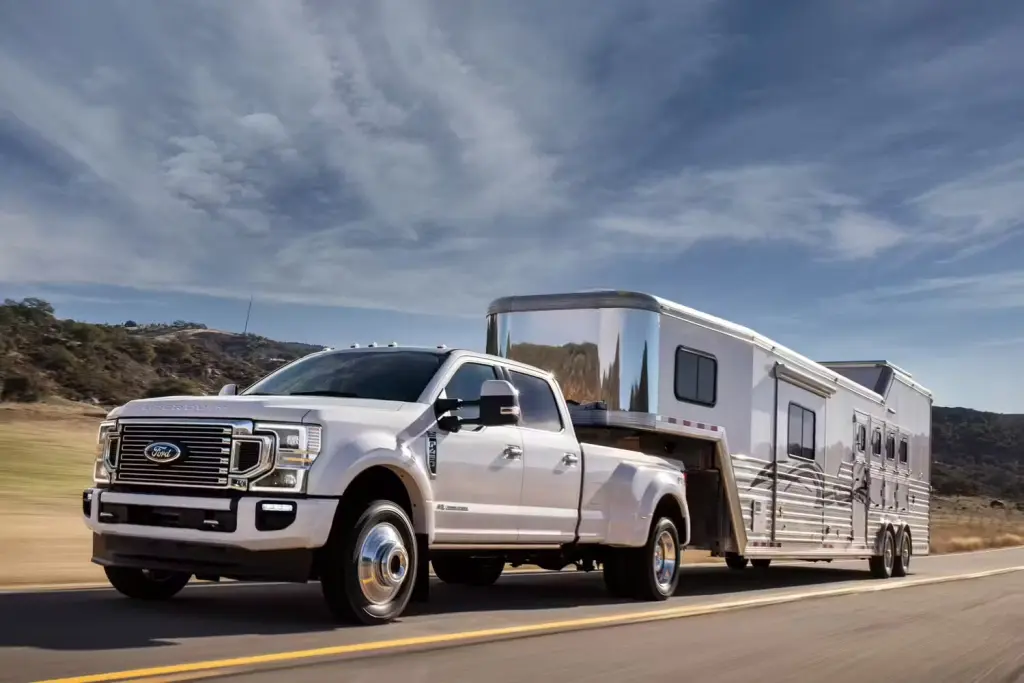
Towing capacity is a key factor for any vehicle used for hauling heavy loads, like boats, trailers, or caravans.
Understanding this capacity is vital for safety and legal compliance.
In this guide, we’ll walk you through how to calculate towing capacity, the factors that influence it, and how to safely operate your vehicle when towing.
How do I calculate towing capacity of my vehicle?
To calculate towing capacity, check your vehicle’s owner’s manual for the maximum weight it can tow. Make sure to include the weight of the trailer and cargo to stay within limits.
Key Takeaways
- Towing Capacity: The maximum weight your vehicle can safely tow, as specified by the manufacturer.
- Key Factors: Towing capacity is influenced by factors such as vehicle type, engine, axle ratio, and more.
- Importance: Overloading your vehicle beyond its towing capacity can lead to damage, safety hazards, and legal issues.
What is Towing Capacity?
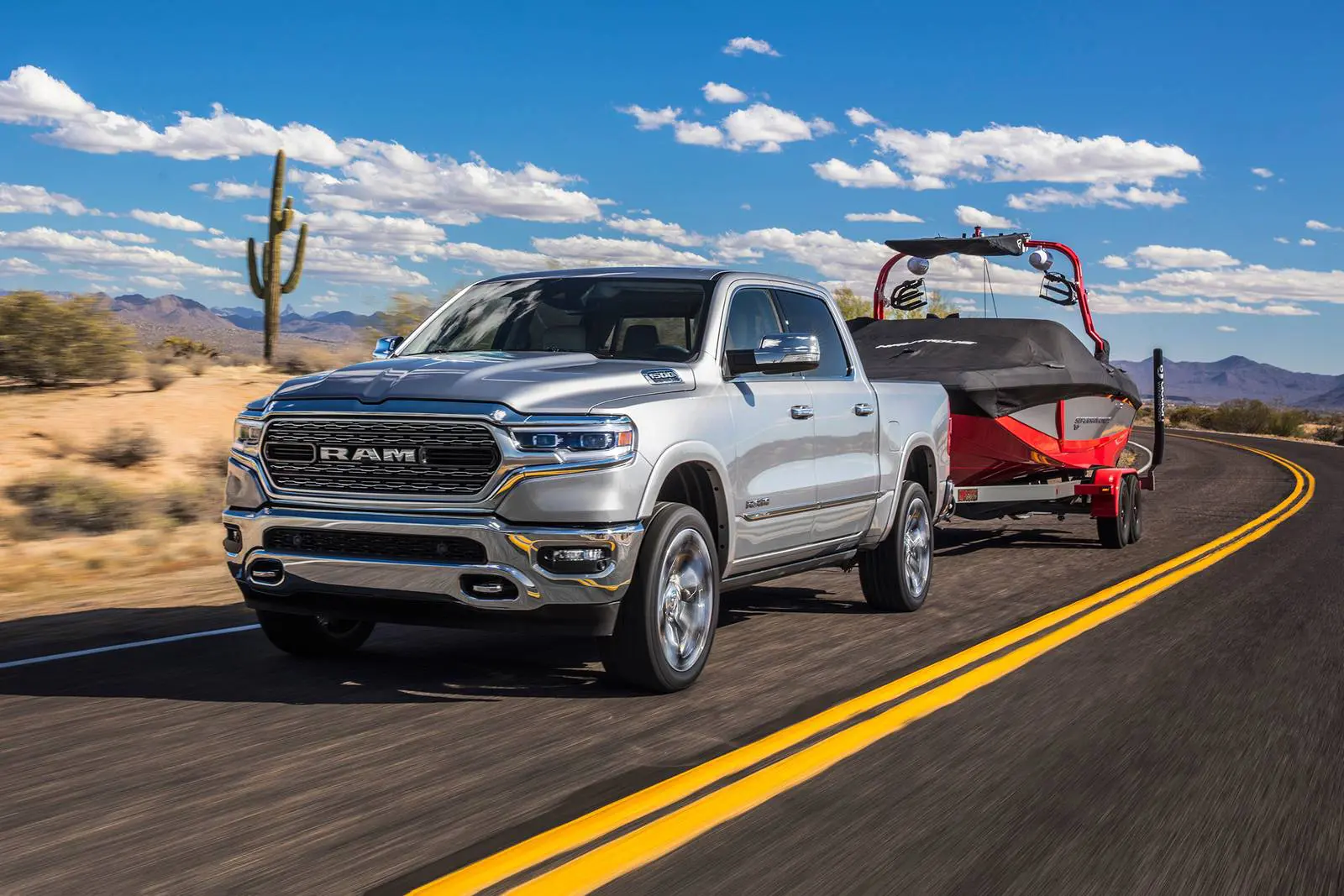
Towing capacity refers to the maximum weight a vehicle can safely pull without compromising its safety or performance.
This weight limit is set by the vehicle’s manufacturer based on the vehicle’s engine strength, braking ability, frame design, and suspension system.
Exceeding this limit can lead to engine strain, overheating, and in some cases, even vehicle failure.
Why is Towing Capacity Important?
The towing capacity of your vehicle is essential to understand for several reasons:
- Safety: Overloading your vehicle can put you and other drivers at risk. It can cause issues like loss of control, brake failure, and accidents.
- Legal Compliance: There are legal limits to the amount you can tow in many regions. Exceeding these limits could result in fines or legal penalties.
- Vehicle Longevity: Consistently towing beyond your vehicle’s capacity can damage the transmission, suspension system, and engine, reducing its lifespan.
How to Find Your Vehicle’s Towing Capacity
There are several ways to find the official towing capacity of your vehicle:
Check the Owner’s Manual
The owner’s manual of your vehicle will typically list the maximum towing capacity for both braked and unbraked loads. This is the most reliable source of information.
Braked Load: Refers to the weight your vehicle can safely tow when the trailer has its own braking system.
Unbraked Load: Refers to the weight your vehicle can safely tow when the trailer does not have brakes.
Check the Manufacturer’s Website
If you don’t have the manual handy, you can also visit the vehicle manufacturer’s website.
Manufacturers often provide detailed specifications for each vehicle model, including towing capacity and other relevant information.
VIN (Vehicle Identification Number)
Your VIN can also help you determine the towing capacity.
You can use it to contact your dealership or use online tools that decode your VIN to provide detailed information about your vehicle’s specifications, including its towing limit.
Factors That Affect Towing Capacity
Your vehicle’s towing capacity isn’t just a fixed number. Several factors play a role in determining how much weight your vehicle can safely tow.
Let’s look at some of the key elements that influence towing capacity.
1. Engine Size and Type
The engine size is one of the most significant factors affecting towing capacity.
Generally, vehicles with larger engines, such as V8s or turbocharged engines, can tow heavier loads than smaller engines.
A V6 engine may struggle to tow a heavy trailer, while a V8 can typically handle more weight.
2. Transmission and Drivetrain
The transmission and drivetrain system also impact towing capacity.
Vehicles with manual transmissions often have lower towing capacities compared to those with automatic transmissions.
Additionally, the type of drivetrain (e.g., 4WD, FWD, or RWD) can also play a role.
Four-wheel-drive vehicles generally perform better in towing situations, especially in difficult terrains, such as hills or gravel roads.
3. Axle Ratio
The axle ratio of your vehicle determines how much torque is available to move the load.
A higher axle ratio, such as 4.10 or 4.30, provides more torque, making it easier to tow heavier loads. This is especially important when towing uphill or over rough terrain.
4. Gross Vehicle Weight Rating (GVWR)
The Gross Vehicle Weight Rating (GVWR) is the maximum weight your vehicle can safely carry, including the weight of the vehicle itself, passengers, cargo, and the trailer’s tongue weight.
Your vehicle’s towing capacity is typically calculated based on the GVWR, so it’s important to ensure your car, passengers, and cargo are within the recommended limits.
5. Suspension and Tires
Your vehicle’s suspension and tires affect the amount of weight it can carry safely.
A vehicle with a reinforced suspension and heavy-duty tires will typically have a higher towing capacity than one with standard equipment.
If you’re planning to tow frequently, upgrading your suspension or tires can improve the towing performance.
How to Calculate Your Vehicle’s Towing Capacity
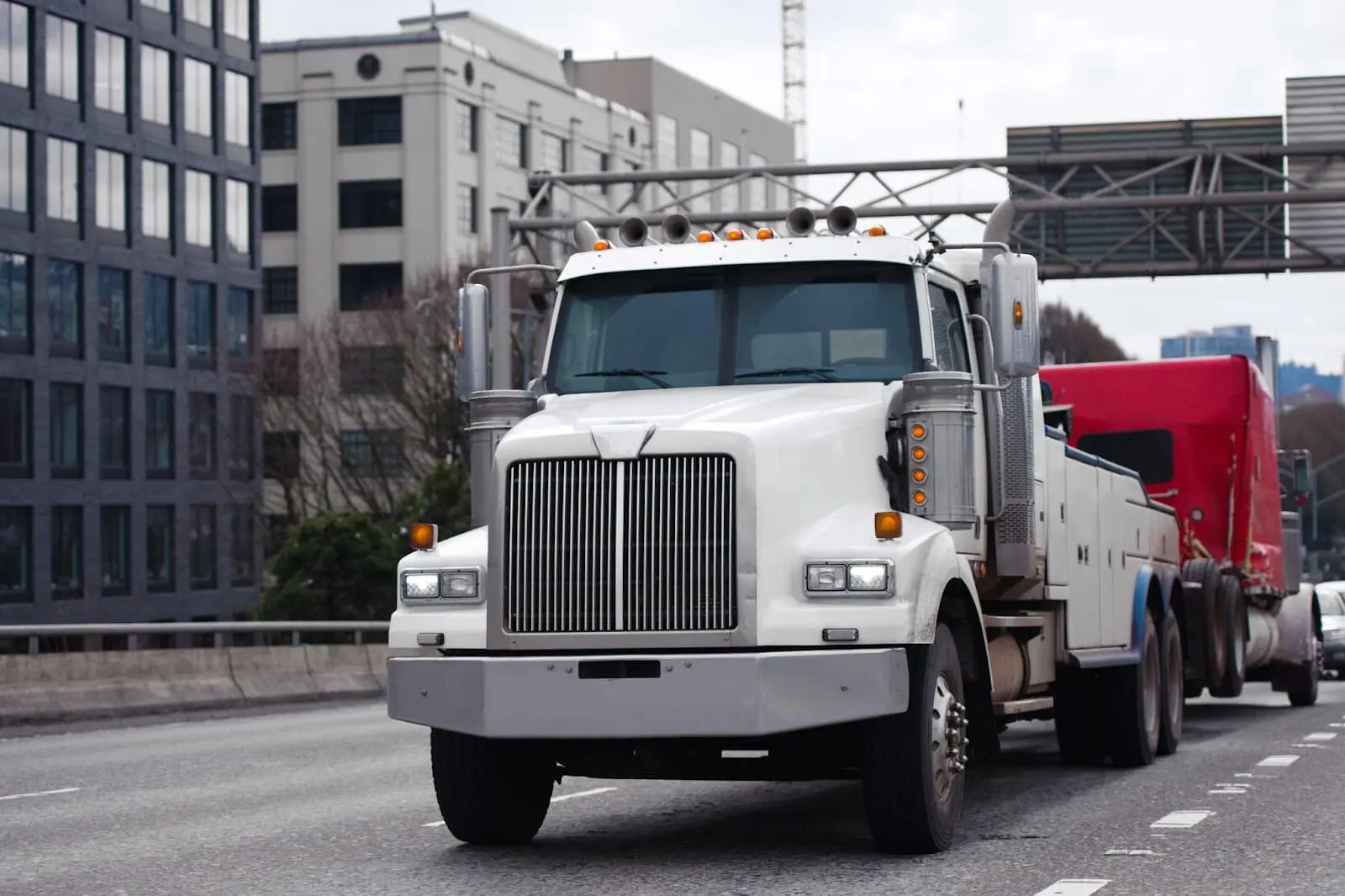
To calculate how much weight your vehicle can safely tow, you need to consider the following:
1. Identify Your Vehicle’s GVWR
Check your car’s GVWR (Gross Vehicle Weight Rating) on the door jamb sticker or in the owner’s manual.
This will tell you the maximum allowable weight, including the weight of the car, passengers, and cargo.
2. Calculate Your Car’s Curb Weight
Next, find out your vehicle’s curb weight—this is the weight of the vehicle without any passengers or cargo.
You can find this information in your owner’s manual or from the manufacturer.
3. Subtract the Curb Weight from the GVWR
The difference between the GVWR and the curb weight tells you how much weight you can safely load into the vehicle. This is the weight capacity for passengers and cargo combined.
4. Add the Trailer Tongue Weight
Once you know the weight your vehicle can carry, the next step is to check the trailer tongue weight.
The tongue weight is the downward force that the trailer exerts on the vehicle’s hitch. Typically, this should be around 10-15% of the total weight of the trailer.
For example, if your car can carry 1,000 lbs of weight and the trailer’s tongue weight is 100 lbs, then your car’s total towing capacity is 900 lbs.
5. Consider Trailer Brakes
If the trailer you plan to tow has brakes, you can usually tow a heavier load compared to an unbraked trailer.
The braking system helps ensure that the trailer slows down with your car, reducing stress on the vehicle.
What Happens If You Exceed Your Towing Capacity?
Exceeding your vehicle’s towing capacity can be dangerous and cause significant damage to your car. Here’s what could happen if you attempt to tow more than your vehicle can handle:
1. Engine Damage
Towing beyond your vehicle’s capacity can put excessive strain on the engine, leading to overheating, premature wear, or even engine failure.
2. Transmission Issues
Your vehicle’s transmission may overheat if it’s asked to handle too much weight, leading to costly repairs or even complete transmission failure.
3. Braking Problems
Your brakes will need to work harder when towing a heavy load. If you exceed the towing limit, it can lead to brake wear or failure, especially when stopping on inclines or during emergencies.
4. Suspension and Tire Damage
Excess weight can damage your vehicle’s suspension system, leading to poor handling, uneven tire wear, or suspension component failure.
How to Ensure Safe Towing
To ensure safe towing, always keep the following in mind:
- Know your vehicle’s towing capacity: Always check the vehicle’s manual or consult the manufacturer to know the limits.
- Check your load regularly: Keep track of the weight of the trailer and cargo, ensuring it doesn’t exceed the limit.
- Use the proper towing equipment: Make sure your vehicle’s hitch and towing system are rated for the load you’re pulling.
- Drive cautiously: When towing, always drive more carefully, allowing extra stopping distance, and avoid sudden lane changes or sharp turns.
Frequently Asked Questions (FAQs)
1. How do I know if I’m exceeding my vehicle’s towing capacity?
Check the vehicle’s GVWR and compare it to the weight of your vehicle, passengers, and the trailer. Ensure the combined weight does not exceed your car’s rated towing capacity.
2. Can I tow more if my trailer has brakes?
Yes, vehicles with trailer brakes can usually tow more weight safely, as the braking system helps distribute the load.
3. How much weight can I tow with a small SUV?
Small SUVs typically have a towing capacity of 1,500 to 3,500 lbs, but this can vary greatly depending on the make, model, and engine size. Always check your vehicle’s manual for accurate information.
Conclusion
Knowing how to calculate your vehicle’s towing capacity is essential to towing safely and effectively.
By understanding the factors that affect your vehicle’s towing limits, properly calculating the weight of your load, and taking the necessary precautions, you can ensure safe and efficient towing every time.
.Whether you’re hauling a boat, trailer, or caravan, always keep safety in mind and stay within your vehicle’s rated towing capacity to avoid accidents and costly damage.