
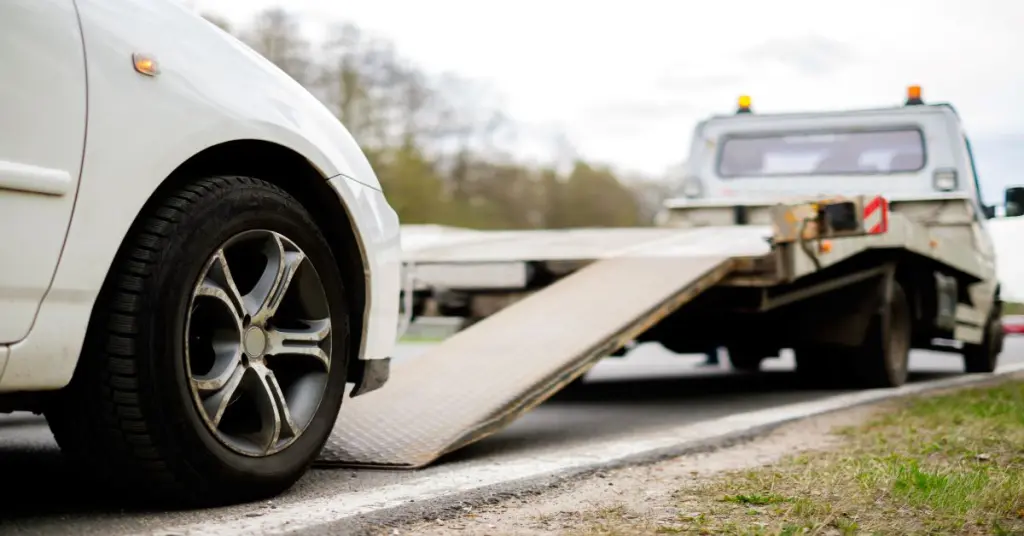
Towing an automatic car the wrong way can lead to costly transmission damage, but does that mean it’s impossible?
Not necessarily. With the right method, you can tow safely without causing harm. In this guide, we’ll break down when towing is safe, the best techniques to use, and the risks to watch out for.
Can You Tow an Automatic Car?
Yes, you can tow an automatic car, but it must be done carefully. Using a flatbed tow truck is the safest option to avoid transmission damage. Towing with wheels on the ground can cause serious issues.
Key Takeaways
- Towing an automatic car is possible but requires the right method to avoid transmission damage.
- Flatbed towing is the safest way to transport an automatic car.
- Front-wheel-drive cars can be towed using a tow dolly if necessary.
- Never tow an automatic car with all four wheels on the ground unless permitted by the manufacturer.
- Improper towing can cause overheating, gearbox failure, and costly repairs.
- If in doubt, call a professional towing service to ensure safe transport.
Can You Tow an Automatic Car? A Detailed Overview
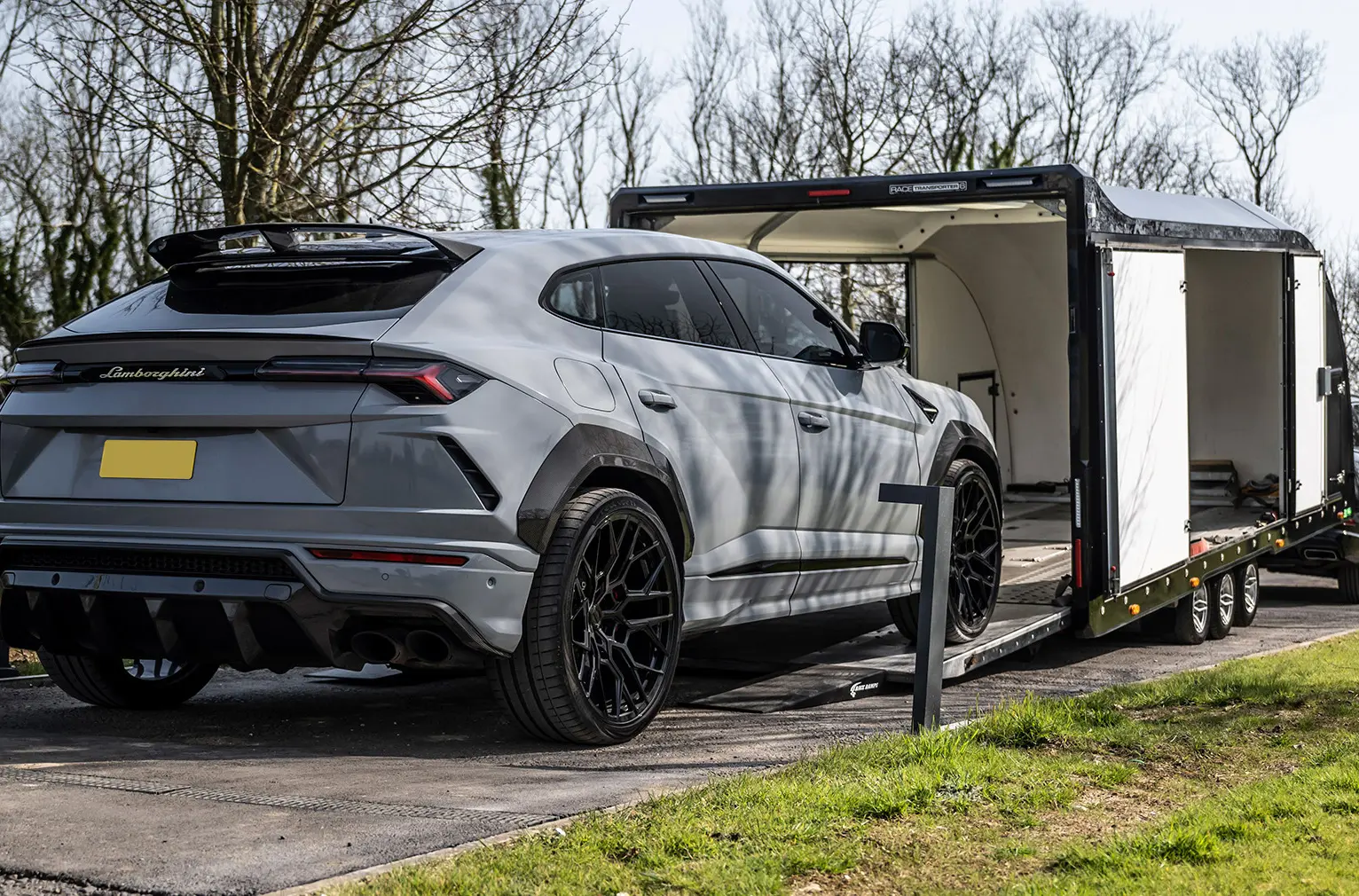
Yes, but only under specific conditions. Automatic cars require extra care when towing because their transmissions are designed to be lubricated only when the engine is running.
If the car is towed improperly, the transmission can overheat or suffer mechanical damage.
The safest way to tow an automatic vehicle depends on the drivetrain:
Front-Wheel Drive (FWD): Can be towed with a tow dolly, keeping the front wheels off the ground.
Rear-Wheel Drive (RWD): Requires a tow dolly or should be towed on a flatbed to prevent drivetrain damage.
All-Wheel Drive (AWD)/Four-Wheel Drive (4WD): Must be towed using a flatbed tow truck to avoid severe transmission and differential damage.
Even though we offer fifth-wheel hauling, it isn’t safe for automatic cars.
What Are the Safe Ways to Tow an Automatic Car?
Towing an automatic car safely requires using the correct equipment and method. Here are the best ways to tow an automatic vehicle:
1. Flatbed Towing (Safest Method)

A flatbed tow truck is the recommended method for towing automatic cars. This method lifts all four wheels off the ground, preventing any strain on the transmission.
Pros: Completely safe for all types of automatic vehicles.
Cons: Requires a tow truck, making it more expensive than other methods.
2. Tow Dolly (For Front-Wheel Drive Cars Only)
A tow dolly lifts the front wheels of the car while the rear wheels stay on the road. This method is safe for front-wheel-drive automatic cars since the driven wheels are off the ground.
Pros: More affordable than flatbed towing, effective for FWD cars.
Cons: Not suitable for RWD or AWD vehicles.
3. Using a Trailer
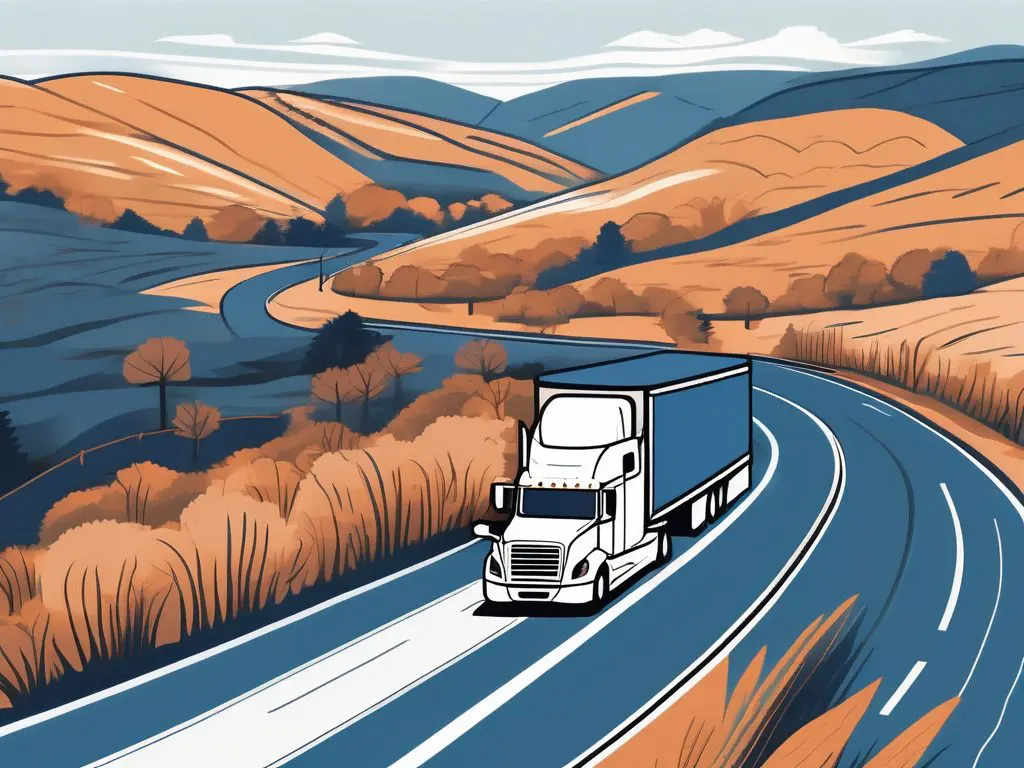
A car-hauling trailer allows you to transport an automatic vehicle safely by keeping all wheels off the road. It’s a great alternative if you have access to a trailer and a capable towing vehicle.
Pros: Safe for all drivetrain types, avoids mechanical damage.
Cons: Requires a vehicle strong enough to tow a trailer.
Towing with All Wheels on the Ground (Not Recommended)
Some people attempt to tow an automatic car using a rope or tow strap while keeping all four wheels on the ground.
This is extremely dangerous and can cause serious transmission damage because automatic transmissions are not designed for extended free-rolling.
Pros: No special equipment is required.
Cons: High risk of transmission failure, illegal in some areas.
Why Towing an Automatic Car the Wrong Way Can Cause Damage
Automatic cars rely on hydraulic fluid circulation to lubricate the transmission components.
When the engine is off, this system does not function properly, and towing incorrectly can lead to severe issues.
Transmission Overheating
If the drive wheels are on the ground while towing, the transmission gears move without proper lubrication, leading to excessive heat buildup and damage.
Drivetrain Strain
Towing a rear-wheel-drive or all-wheel-drive car incorrectly can strain the transmission and differentials, causing costly repairs.
Possible Gearbox Failure
If an automatic car is improperly towed for an extended period, the lack of lubrication can cause permanent gearbox failure, requiring a full transmission rebuild.
If you’re unsure whether your car can be safely towed, it’s best to call a professional towing service.
How to Safely Tow an Automatic Car in an Emergency
Towing an automatic car incorrectly can lead to severe transmission damage, so it’s essential to follow the proper steps to minimize risks.
If you don’t have access to a flatbed tow truck and need to tow your vehicle in an emergency, here’s how to do it as safely as possible.
1. Check the Owner’s Manual
Before attempting any towing, always consult your vehicle’s owner’s manual.
Different manufacturers have specific towing recommendations, and some automatic cars may allow limited flat towing under strict conditions.
Ignoring these guidelines could cause irreversible damage to the transmission, so checking the manual should always be your first step.
2. Shift the Car into Neutral
If you must tow an automatic car with its wheels on the ground, ensure that it is placed in neutral.
This reduces strain on the drivetrain and prevents internal components from locking up. However, this is only a temporary solution and should never be used for long-distance towing.
Leaving an automatic car in neutral while being towed for extended periods can cause overheating and severe transmission wear.
3. Limit Distance and Speed
If towing with two wheels on the ground is unavoidable, keep the towing distance as short as possible—ideally under 10 miles.
Additionally, limit your speed to 30 mph or lower to reduce strain on the transmission and prevent overheating.
Towing at high speeds or for long distances without the proper equipment can cause catastrophic failure, leading to costly repairs or a complete transmission replacement.
4. Use a Tow Dolly for Front-Wheel Drive Cars
For front-wheel-drive automatic vehicles, a tow dolly is the safest emergency towing option.
A tow dolly lifts the front wheels off the ground, ensuring that the transmission and drivetrain are not engaged during towing.
This significantly reduces the risk of damage while allowing the car to be transported over a slightly longer distance than flat towing in neutral.
If a tow dolly is available, it should always be used rather than towing with all four wheels on the ground.
When Should You Call a Professional Towing Service?
While towing an automatic car yourself might seem like a cost-saving solution, improper towing can lead to severe damage that costs far more to repair.
Calling a professional towing company is the best choice in many situations.
When to Call a Tow Truck:
If the car has a damaged transmission or flat tires. If the vehicle is all-wheel drive (AWD) or rear-wheel drive (RWD) and you don’t have a tow dolly or trailer.
If you need to tow the car long-distance. If you’re unsure how to tow the car safely.
Professional towing companies have the proper equipment and expertise to transport your car without causing damage.
Frequently Asked Questions
1. Can I tow an automatic car in neutral?
You can tow an automatic car in neutral for very short distances at low speeds (under 10 miles and below 30 mph). However, this is not recommended for long distances as it can damage the transmission.
2. How far can you tow an automatic car?
If using a tow dolly, you can tow a front-wheel-drive automatic car safely for long distances. If towing with all wheels on the ground, keep it under 10 miles to prevent transmission damage.
3. Is it safe to tow an automatic car with a tow rope?
No, using a tow rope or chain to tow an automatic car is not safe or recommended. It can lead to loss of control, transmission damage, and legal issues. Always use proper towing equipment.
Conclusion
Towing an automatic car requires extra caution to avoid costly transmission damage. The safest method is flatbed towing, which keeps all wheels off the ground. If you must tow without a flatbed, a tow dolly is the best alternative for front-wheel-drive cars.
Towing an automatic car the wrong way can cause serious mechanical issues, including transmission overheating and gear failure. If you’re ever in doubt, calling a professional towing service is the safest and most reliable option.
By following the correct towing procedures and knowing when to seek professional help, you can ensure that your automatic car is moved safely without unnecessary damage.