
Getting new cars from factories to dealerships requires intricate logistics and advanced transport strategies. From loading to final delivery, each step is designed to minimize damage and maintain the car’s pristine condition.
Learning about this detailed process reveals the unseen effort that goes into delivering a new car and highlights the strategies that make car transportation efficient.
How are new cars transported to dealerships?
New cars are transported using trucks, rail, ships, or air, with protective coverings and advanced tracking to ensure they arrive damage-free.
Key Takeaways:
- Cars are transported using trucks, rail, ships, or air.
- Protective measures ensure cars remain damage-free.
- GPS tracking and route optimization improve efficiency.
- Rail and sea are cost-effective for long distances.
The Journey Auto Transport from Factory to Dealership
1. Manufacturing and Pre-Delivery Preparations
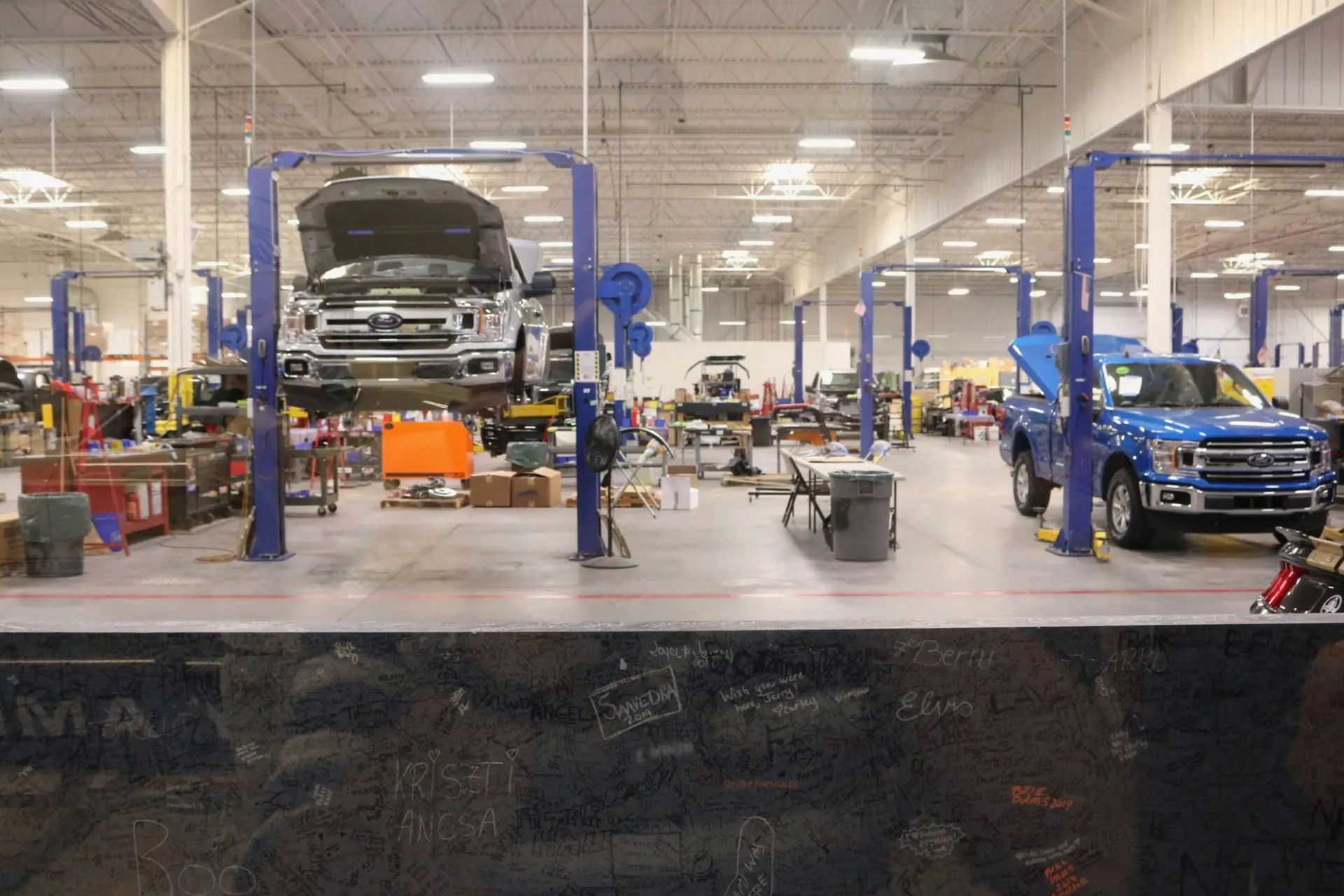
The process starts at the manufacturing plant, where new vehicles undergo assembly and rigorous quality inspections. Once cleared, each car is prepared for shipment.
This preparation includes tasks such as removing protective films used during production, adding necessary fluids like coolant and oil, and ensuring compliance with regional regulations.
2. Inspection and Preparation for Transportation
Before loading, vehicles undergo an additional inspection to confirm they’re road-ready. Protective wraps or covers are applied to guard against dirt, scratches, or harsh weather during transit.
Each car is then assigned a unique identification number, enabling precise tracking from the factory to the dealership.
3. Coordination for Efficient Car Shipping
To streamline the process, manufacturers work with logistics companies to plan routes and schedules. Factors like dealership demand, distance, and available transport modes are carefully considered.
This coordination ensures vehicles reach their destinations promptly while minimizing costs and delays.
By carefully managing each stage, manufacturers guarantee that cars arrive at dealerships in excellent condition, ready for customers to drive home.
Modes of Transportation for New Cars
1. Rail Transport for Bulk Shipments

Train auto transport is widely used for moving large volumes of cars across long distances. Auto racks—specialized railcars designed for secure vehicle transport—can carry multiple cars at once.
This approach is cost-effective and fuel-efficient, making it an environmentally friendly choice for manufacturers.
2. Shipping via Trucks and Trailers
Trucks and trailers are the primary transport method for shorter distances or final delivery to dealerships. Open car carriers, commonly seen on highways, can transport multiple vehicles at once.
Enclosed trailers are reserved for high-value or luxury cars, offering extra protection against weather and road debris. This flexibility ensures timely delivery while maintaining the vehicle’s condition.
3. Sea Transport for International Shipments

When cars are transported between countries, sea freight is the go-to method. Roll-on/roll-off (RoRo) ships are commonly used, allowing vehicles to be driven directly onto the ship and secured for the journey.
Shipping by sea is economical for bulk international transport, though it requires additional coordination for customs clearance and port handling.
4. Air Freight for Special Cases
While rare, air transport is used for urgent deliveries or exclusive models. This option is significantly more expensive but ensures the fastest delivery times. It’s often reserved for prototypes or luxury vehicles with tight timelines.
Each mode of transportation plays a vital role in ensuring new cars reach dealerships efficiently and safely, tailored to distance, budget, and urgency.
Steps Involved in the Transportation Process
1. Loading Vehicles for Transport
The transportation process begins with loading vehicles onto trucks, railcars, or ships, depending on the selected method. Hydraulic ramps and automated loaders are used to handle vehicles carefully, minimizing the risk of damage.
Once loaded, cars are secured with straps or wheel chocks to ensure stability, even during bumpy roads or turbulent seas.
2. Tracking and Monitoring During Transit
Once in transit, vehicles are monitored using advanced GPS tracking systems and logistics software. These tools provide real-time updates on location and condition, enabling manufacturers and dealerships to stay informed.
Timely alerts allow for quick adjustments in case of unexpected delays, such as adverse weather conditions.
3. Unloading and Delivery at Dealerships
Upon arrival, vehicles are unloaded using specialized equipment to prevent damage. Each car undergoes a thorough inspection to identify any potential damage sustained during transit.
Afterward, vehicles are cleaned and polished to ensure they’re showroom-ready, guaranteeing customers receive them in excellent condition.
4. Quality Assurance and Final Checks
Before the dealership officially takes ownership, the cars go through final checks to ensure all systems are functioning as expected. Dealerships may also handle minor customizations, such as adding accessories or completing registration processes, so the car is ready for its new owner.
Each step in the transportation process is carefully designed to keep cars safe and on schedule. This meticulous handling guarantees vehicles arrive in pristine condition, ready to meet customer expectations.
Challenges in Transporting New Cars
Preventing Damage During Transit
Ensuring vehicles remain damage-free during transport is a significant challenge. Scratches, dents, or mishandling can reduce a car’s value.
To mitigate these risks, manufacturers rely on protective coverings and secure vehicles with straps or wheel chocks. Routine inspections during loading and unloading further minimize potential damage.
Weather and Environmental Factors

Weather conditions, like rain, snow, or extreme heat, can pose significant risks during transport. For instance, sea shipments are prone to saltwater exposure, which can lead to corrosion.
To mitigate this, vehicles are often shipped in enclosed containers or covered with weather-resistant materials. Careful route planning can also help avoid severe weather conditions.
Logistics and Delivery Delays
Coordinating transport schedules and routes is another challenge. Delays caused by traffic congestion, port hold-ups, or mechanical issues can disrupt timelines.
To address this, logistics teams use advanced tracking systems and maintain proactive communication, ensuring cars reach dealerships on schedule.
Security Risks During Transit
Vehicles in transit may be vulnerable to theft or tampering, especially during long journeys. Security measures like GPS tracking, sealed containers, and secure parking stops are used to safeguard shipments.
By addressing these challenges with careful planning and advanced technologies, manufacturers ensure vehicles arrive safely and efficiently.
Recently I shared do dealerships ship cars to other states. If you are interested to know, you must definitely take a look at the article.
The Role of Technology in Modern Car Transport
Advanced Tracking Systems
Technology plays a vital role in tracking vehicles during transit. GPS and real-time monitoring tools allow manufacturers and dealerships to track shipments throughout the journey.
This not only ensures timely deliveries but also provides updates on delays, giving stakeholders the ability to adjust schedules proactively.
Automation in Loading and Unloading
Automated equipment, such as hydraulic lifts and robotic loaders, ensures cars are handled with precision during loading and unloading. These systems minimize the risk of human error, reducing the chances of damage.
Additionally, automation speeds up the process, allowing more vehicles to be transported efficiently.
Route Optimisation Tools
Route optimization software analyses traffic patterns, weather conditions, and road closures to select the most efficient transport routes. This saves time and reduces fuel consumption, cutting down on overall costs.
With these technologies, car transportation has become faster, safer, and more reliable, ensuring vehicles arrive at dealerships in pristine condition.
Cost Factors in Car Transportation
1. Fuel and Operational Expenses
Fuel is one of the most significant costs in car transportation, especially for trucks and ships covering long distances.
Rising fuel prices can directly increase transport costs. To manage this, many companies use fuel-efficient vehicles or optimize routes to reduce mileage and save on operational expenses.
2. Distance and Delivery Location
The distance between the manufacturing plant and the dealership is another key factor. Longer routes naturally cost more due to higher fuel consumption and labor hours.
Remote or hard-to-reach locations may also require additional resources, such as specialized carriers, further increasing costs.
3. Mode of Transportation
The choice of transport—truck, rail, sea, or air—greatly affects the overall cost. Trucks are economical for short distances, while rail and sea transport are more cost-effective for bulk shipments over longer distances.
Air freight, though fast, is considerably more expensive and typically reserved for urgent deliveries or high-value vehicles.
4. Insurance and Security Measures
To protect vehicles during transit, companies invest in insurance and security systems. These measures add to the total cost but are essential to prevent financial losses due to damage or theft.
By balancing these factors, manufacturers can optimize transportation costs without compromising efficiency or quality.
Whether you need help in transporting your new or old car, Long Distance Towing can help you. We provide the service of shipping cars from Philadelphia to Los Angeles, the state of New York to Iowa, Los Angeles to Houston, and more.
Frequently Asked Questions
1. How are cars protected during transport?
Cars are secured using straps, wheel chocks, and protective coverings to prevent damage. Some high-value vehicles are transported in enclosed trailers or containers for added protection against weather and debris.
2. What is the most common transport method for new cars?
Trucks and trailers are the most common method, especially for short distances. Rail and sea transport are often used for bulk shipments or international deliveries.
3. How long does it take to transport cars to dealerships?
The time depends on the distance, mode of transport, and route conditions. Local deliveries can take a few days, while international shipments may take weeks due to customs and transit times.
Conclusion
Delivering new cars to dealerships is a carefully orchestrated process, encompassing steps from factory loading to final delivery. By combining multiple transport modes, advanced technology, and meticulous planning, manufacturers ensure vehicles arrive safely and on schedule.
Each stage of the journey focuses on protecting vehicles and minimizing costs, addressing challenges like weather, damage risks, and logistical delays. Modern technologies like GPS tracking and route optimization play a crucial role in making the process smoother.
Understanding how cars are transported highlights the precision behind delivering a showroom-ready vehicle. It’s a system built on efficiency, innovation, and care, ensuring every car reaches its destination in perfect condition, ready for its new owner.