
Shipping a car by train is a cost-effective and environmentally friendly solution for long-distance moves. This method ensures safe transport while avoiding additional mileage on your vehicle.
Whether you’re relocating or selling a car, this guide will explore the process, costs, and advantages of train shipping.
How to Ship a Car by Train?
To ship a car by train, select a reliable provider, choose between open or enclosed transport, and prepare your vehicle by cleaning it, documenting its condition, and ensuring it’s ready for transit.
Key Takeaways:
- Shipping a car by train is cost-effective and environmentally friendly.
- It offers options like open or enclosed auto transport for different needs and budgets.
- Train shipping reduces vehicle wear and tear and is ideal for long distances.
- Challenges include limited terminal access and longer transit times compared to trucks.
Benefits of Auto Train Transport
Cost-Effective Option
Shipping a car by train is typically more economical than truck transport, particularly for long distances. With the ability to carry multiple vehicles simultaneously, trains significantly lower costs.
This option is ideal for budget-conscious individuals and businesses managing fleet logistics.
Environmentally Friendly

Trains produce significantly fewer greenhouse gas emissions than trucks—reducing emissions by up to 75%, according to industry estimates.
For environmentally conscious shippers, train transport is an excellent choice to minimize carbon footprints.
Safe and Reliable
Trains operate on dedicated tracks, reducing the likelihood of accidents compared to road transport. Vehicles are securely fastened during transit, minimizing the risk of damage.
Rail companies often implement stringent safety protocols, including routine inspections and monitoring, to ensure cars arrive at their destinations without incident.
Ideal for Long-Distance Transport
If you’re moving across states or even cross-country, trains are an efficient option. They handle long distances seamlessly, often covering routes that may be time-consuming or challenging for trucks. This ensures your car arrives on time without the wear and tear of driving it yourself.
Reduces Vehicle Wear and Tear
Shipping your car by train eliminates the need to drive it over long distances. This helps preserve your car’s condition and avoids additional mileage. For classic or luxury cars, this method ensures your vehicle stays in pristine shape.
By choosing to ship your car by train, you can enjoy a combination of affordability, safety, and convenience that other methods may not offer.
Types of Train Car Shipping Services
Open Car Transport by Train

Open car transport is the most commonly used and budget-friendly train shipping option. Vehicles are loaded onto open rail cars, which can carry multiple cars at once.
While cars are exposed to weather conditions and road debris, this option remains a practical choice for everyday vehicles like standard cars, SUVs, or trucks.
Widely available and reliable, open transport is ideal for long-distance moves at an economical price.
Enclosed Car Transport by Train
Enclosed transport provides your car with maximum protection during transit. Vehicles are loaded into enclosed rail cars that shield them from weather, debris, and potential damage.
This service is typically more expensive but worth it for luxury, antique, or classic cars.
With enclosed shipping, you can have peace of mind knowing your car is safe from external elements. If your vehicle is valuable or you want to ensure it arrives in pristine condition, this is the best choice.
Door-to-Terminal and Terminal-to-Terminal Services
Most train car shipping services offer flexible options for pick-up and drop-off. Terminal-to-terminal service requires you to drop off and pick up your car at specified locations, saving money.
Door-to-terminal services allow you to arrange a nearby pick-up for added convenience.
For those who live far from rail terminals, door-to-terminal services are worth considering. Both options let you choose what fits your schedule and budget.
Which Service Should You Choose?
The right service depends on your needs and budget. Open transport is perfect for standard cars, while enclosed shipping suits valuable vehicles.
Door-to-terminal services provide flexibility, especially for those living far from terminals. Choose the option that aligns with your priorities for cost, convenience, and vehicle safety.
How the Car Shipping Process Works
Booking Your Car Shipment
The first step is finding a reliable train shipping company that operates in your area. Research reviews, compare prices, and confirm they offer the type of transport you need, such as open or enclosed services.
Once you’ve chosen a provider, you’ll need to book your shipment and provide essential details like the car’s make, model, and destination.
Ensure you have the necessary documents, such as your car’s registration and insurance details. Some companies may also require proof of ownership or identification, so have these ready to streamline the process.
Preparing Your Car for Transport
Before shipping, clean your car thoroughly and inspect it for any existing damage. Take photos to document its condition, which can be useful if any issues arise during transit.
Make sure to remove personal items, as they are typically not covered by insurance during shipping.
Check for any mechanical issues and ensure the gas tank is no more than a quarter full to reduce weight. Disconnect any toll tags or electronic devices that could incur charges during the journey.
Loading and Unloading Process
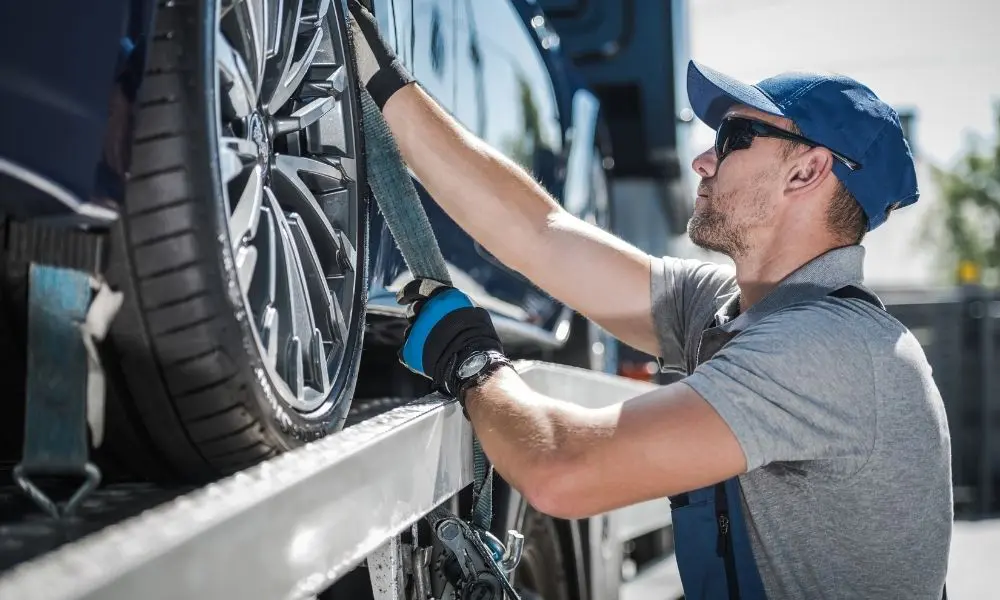
On the day of shipment, your car will be securely loaded onto the train. The company will typically have staff to handle this process to ensure the vehicle is fastened correctly. You may need to be present for a final inspection and to sign off on the condition report.
Once the train reaches the destination terminal, your car will be unloaded and ready for pickup. Most companies will notify you of the arrival time, so you can plan accordingly.
If you’ve opted for a door-to-terminal service, ensure you arrange transportation to retrieve your car.
By understanding these steps, you can navigate the car shipping process smoothly and ensure your vehicle arrives safely and on time.
Cost of Shipping a Car by Train
Factors That Affect the Cost
The cost of shipping a car by train depends on several factors, including the distance and the route. Longer routes or routes with limited rail infrastructure may increase the price. Additionally, the type of transport you choose—open or enclosed—also impacts the overall cost.
The size and weight of your vehicle play a significant role in pricing. Larger vehicles like SUVs or trucks typically cost more to ship than smaller cars. Timing is another factor, as peak seasons may result in higher demand and increased rates.
Typical Price Ranges for Train Car Shipping
Shipping a car by train typically costs between $400 and $1,500, influenced by factors like distance, vehicle size, and transport type.
Open transport usually falls on the lower end of this range, while enclosed shipping costs more. Door-to-terminal services may also incur additional fees.
For cross-country routes, prices tend to be higher than for shorter distances. Even at the upper range, train shipping can be 20-30% more affordable than truck transport for long-distance hauls.
Tips for Reducing Shipping Costs
To save money, consider booking your shipment during off-peak seasons when demand is lower. Terminal-to-terminal shipping is often cheaper than door-to-terminal options, so use this if it’s convenient for you.
Compare quotes from multiple train shipping providers to find the best deal. Some companies may offer discounts for military members, students, or bulk vehicle shipments.
Lastly, prepare your car properly to avoid additional fees, such as charges for excessive weight or unexpected delays. By planning ahead and exploring your options, you can reduce costs while ensuring your car is shipped safely and efficiently.
Limitations and Challenges of Shipping by Train
Limited Accessibility to Train Terminals

One of the main challenges of shipping a car by train is the limited availability of train terminals. If you don’t live near a rail hub, you may need to arrange additional transportation to deliver or pick up your vehicle. This can add time and cost to the overall process.
To overcome this, look for shipping providers that offer door-to-terminal services or coordinate with a local towing company to handle the extra logistics.
Longer Transit Times
Trains typically take longer than trucks to transport vehicles, as they often make multiple stops along their routes. If you’re on a tight schedule, the slower delivery time might not be ideal.
If timing is a priority, confirm the estimated delivery date with your provider before booking. In some cases, expedited services may be available for an additional cost.
Limited Customization Options
Compared to trucks, train services have fewer options for pickup and delivery locations. You may also have less flexibility in scheduling, as train shipments are often bound to fixed schedules and routes.
If flexibility is important to you, consider a hybrid solution that combines train transport with truck services. This can provide more convenience while keeping costs manageable.
Weather Exposure in Open Transport
For those choosing open transport, your car may be exposed to weather and debris during the journey. While damage is rare, it’s still a possibility.
If protection is a concern, enclosed transport offers a safer alternative, though at a higher cost. Understanding these limitations will help you make an informed decision that aligns with your needs and priorities.
Comparing Train Shipping to Other Methods
Train Shipping vs. Truck Transport
Train shipping is often more cost-effective for long distances compared to trucks. Trains can carry multiple vehicles at once, reducing overall costs. However, trucks offer more flexibility with door-to-door delivery, making them ideal for those who need convenience.
Trains typically have longer transit times due to fixed schedules and multiple stops. If speed is a priority, trucks may be a better option for faster delivery. For budget-conscious shippers, trains remain a solid choice.
Train Shipping vs. Driving the Car Yourself
Shipping your car by train eliminates the stress and wear and tear associated with long drives. Driving can incur costs for fuel, lodging, and meals, which can quickly add up. Additionally, long-distance driving can be physically exhausting and time-consuming.
Trains are safer and more reliable, especially for cross-country routes. If your goal is to save time and preserve your vehicle’s condition, train transport is the better option.
Train Shipping vs. Air Transport
Air transport is the fastest but most expensive way to ship a car. It’s suitable for luxury or time-sensitive shipments but may be out of budget for most people. Train shipping, while slower, is far more affordable and offers better coverage for standard vehicle transport needs.
Ultimately, train shipping balances cost and efficiency, making it a great alternative for those who value affordability over speed.
Tips for Choosing a Train Car Shipping Service
Research and Compare Providers
Start by researching multiple train shipping companies to compare services and pricing. Look for providers with experience in car shipping and a strong reputation. Reading customer reviews can help you gauge their reliability and service quality.
Verify Licensing and Insurance
Ensure the company is licensed to transport vehicles and offers insurance coverage. This protects your car in case of damage during transit. Don’t hesitate to ask for proof of licensing or details about their insurance policies.
Understand the Services Offered
Check if the company provides the type of transport you need, such as open or enclosed shipping. Also, find out if they offer terminal-to-terminal or door-to-terminal options. Choosing the right service can save you time and money.
Read the Fine Print
Before booking, carefully review the contract or shipping agreement. Look for any hidden fees, cancellation policies, and delivery timelines. Make sure you understand all terms and conditions to avoid surprises later.
Ask Questions
Don’t be afraid to ask questions about the process, such as estimated delivery times, preparation requirements, and tracking options. A trustworthy provider will be transparent and responsive to your concerns.
By following these tips, you can choose a reliable service that meets your needs and ensures your car’s safe transport.
Frequently Asked Questions
1. Is Shipping a Car by Train Affordable?
Yes, train shipping is often more affordable than other methods, especially for long distances. Costs depend on factors like the type of transport, distance, and vehicle size. Comparing quotes from multiple providers can help you find the best deal.
2. How Long Does Train Shipping Take?
Transit times vary based on the route and schedule. Typically, shipping a car by train takes 7-14 days for most routes. Confirm estimated delivery times with your provider before booking.
3. Can I Ship Personal Items in My Car?
Most train shipping companies don’t allow personal belongings inside the car due to insurance restrictions. To avoid extra fees or complications, remove all personal items before transport.
Conclusion:
Shipping a car by train is a practical, affordable, and eco-friendly option for long-distance transport. With choices like open or enclosed shipping, it caters to various needs and budgets.
By understanding the process, costs, and limitations, you can make informed decisions and avoid surprises. Take time to research reliable providers, prepare your car properly, and choose the right service for your situation.
Whether you’re moving, selling a vehicle, or need a safe shipping method, train transport offers a dependable solution. With proper planning, your car will arrive at its destination safely and on time.