

Shipping a vehicle can be a stressful experience, especially if it arrives damaged. Understanding the shipping process, identifying potential damage, and knowing the steps to take afterwards can greatly ease the burden. This article will guide you through each of these essential aspects, ensuring you are well prepared for any eventuality.
Understanding the Shipping Process
The vehicle shipping process involves several crucial stages that can be influenced by many factors, including the shipping company, weather conditions, and the method of transportation. Familiarizing yourself with these stages can help set realistic expectations and safeguard your vehicle.
The Role of Shipping Companies
Shipping companies facilitate the transportation of vehicles from one location to another. They manage logistics, including pick-up, transit, and delivery. A reputable shipping company should provide you with a clear timeline and guidelines for a successful shipping process.
Prior to booking, research the shipping company’s reputation, read customer reviews, and ask for recommendations to ensure you are making an informed choice. A reliable company will have experience in handling vehicle transport and will offer adequate insurance coverage to protect your property. Moreover, many companies provide tracking services that allow you to monitor your vehicle’s journey in real-time, giving you peace of mind as you await its arrival. It’s also beneficial to inquire about their customer service policies; a responsive team can address any concerns or questions you may have throughout the shipping process.
Common Risks in Vehicle Shipping
Despite precautions, several risks are associated with vehicle shipping. Damage can occur due to adverse weather conditions, improper loading, or accidents during transit. Additionally, the vehicle’s location on the carrier can also impact its risk exposure, with cars positioned at the bottom or on the edges typically facing greater hazards.
Being aware of these risks can help you take proactive measures. This might include purchasing additional insurance coverage or opting for enclosed transport to shield the vehicle from external elements. It’s also wise to conduct a thorough inspection of your vehicle before shipping, documenting its condition with photographs and noting any existing damage. This documentation can be invaluable should any disputes arise regarding the vehicle’s condition upon delivery. Furthermore, understanding the specific regulations and requirements for shipping vehicles across state lines or internationally can prevent unexpected delays and complications, ensuring a smoother shipping experience overall.
Identifying Damage to Your Vehicle
Identifying damage upon delivery is crucial for addressing issues promptly. Understanding the types of damage to look out for and performing a thorough inspection will help safeguard your claims process. This diligence not only protects your investment but also ensures that you are aware of any pre-existing conditions that could complicate future maintenance or repairs.
Types of Potential Damage
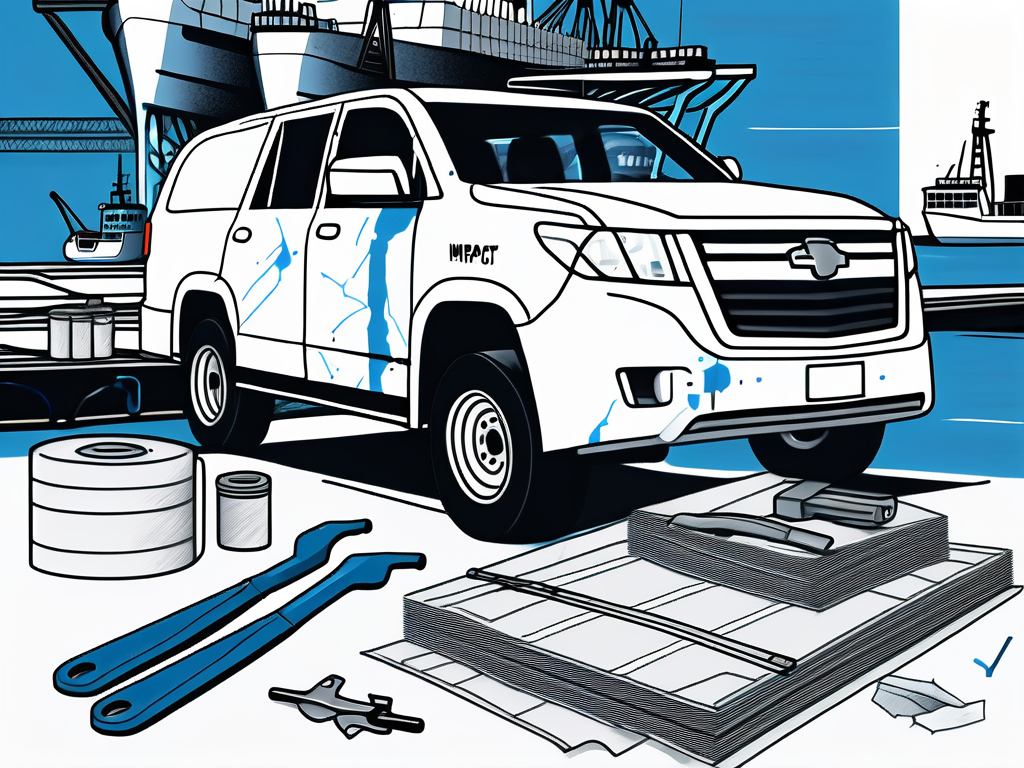
When your vehicle arrives, inspect it for visible damage such as dents, scratches, or broken parts. Pay special attention to the body and corners of the vehicle as these areas are often the most vulnerable. Additionally, check the functionality of lights, windows, and tires to ensure everything is intact. It’s also wise to examine the undercarriage for any signs of scraping or damage that may not be immediately visible from the surface. These inspections can reveal issues that could affect the vehicle’s performance and safety.
Minor damages can sometimes go unnoticed immediately, but they can still lead to bigger issues if left unaddressed. Look for unusual noises or operational difficulties when starting or driving the vehicle post-delivery. Be mindful of any warning lights that may appear on the dashboard, as these could indicate underlying mechanical problems. Taking the time to assess these factors can save you from unexpected repair costs down the line.
Inspection Upon Delivery
Conduct a thorough inspection of your vehicle before signing the delivery receipt. It is advisable to have a checklist to ensure you do not overlook anything important. If possible, document the inspection process with photos or videos to create a record of the vehicle’s condition upon delivery. This documentation can serve as valuable evidence should any disputes arise regarding the vehicle’s condition later on.
If you find any damage, make sure to note it on the delivery receipt before signing. This is crucial as it can affect your ability to file a claim later. Always ask for a copy of the signed document for your records. In addition, consider reaching out to the delivery service or dealership to discuss any concerns immediately. Prompt communication can often lead to quicker resolutions, ensuring that your vehicle is in the best possible condition for your use. Remember, being proactive during this stage can significantly influence your overall satisfaction with the vehicle and the service you received.
Steps to Take Immediately After Noticing Damage
Upon discovering that your vehicle has been damaged during shipping, taking swift action is critical. The following steps will help you manage the situation effectively.
Documenting the Damage
Begin by documenting all visible damage thoroughly. Use your smartphone to take clear and detailed photos of the affected areas, showing the damage and the surrounding context. Include close-ups of scratches, dents, or any other issues you discover.
Additionally, maintain a log of all relevant details, including the date and time of delivery, the name of the shipping company, and the names of individuals involved in the shipping process. This documentation provides crucial evidence for any claims you may need to file. It’s also wise to note any pre-existing conditions of the vehicle, as this can help establish a baseline for the vehicle’s condition prior to shipping. If possible, gather any inspection reports or photographs taken before the vehicle was shipped, as these can serve as further proof of its original state.
Contacting the Shipping Company
Reach out to the shipping company immediately to report the damage. Provide them with thorough documentation and describe the situation clearly and concisely. Ask whether they have any specific procedures for reporting and addressing vehicle damage.
Keep a record of your communications, including names, dates, and any promises or timelines provided by the shipping company regarding repairs or claims. This information can be invaluable if you need to escalate the situation later. In addition to contacting the shipping company, consider reaching out to your insurance provider to inform them of the situation. They may have specific guidelines for handling claims related to shipping damage, and they can assist you in understanding your coverage options. Be prepared to provide them with the same documentation you’ve gathered, as this will help streamline the claims process and ensure you receive the support you need.
Navigating the Claims Process
Once you have reported the damage, the next step is to navigate the claims process. Understanding your rights and the necessary steps can empower you to advocate effectively for your interests.
Understanding Your Rights
As a vehicle owner, it is essential to know your rights when it comes to shipping damage. Most shipping companies have insurance policies that cover damages incurred during transit, but the specifics can vary significantly from one company to another.
Familiarize yourself with the terms of the shipping contract and any associated insurance policies. This understanding can help you gauge your eligibility for compensation and the extent of coverage provided during transit. Additionally, be aware that some shipping companies may have specific timelines within which you must report damage or file a claim. Missing these deadlines can jeopardize your chances of receiving compensation, so it is crucial to act promptly and keep detailed records of all communications related to the claim.
Filing a Claim
To file a claim, comply with the shipping company’s instructions and provide all necessary documentation of the damage. This usually includes your photographic evidence, the delivery receipt, and a detailed report of the issue.
Be prepared for possible delays or additional inquiries as the shipping company processes your claim. Patience and thorough follow-up are key to ensuring that your claim is addressed satisfactorily. It may also be beneficial to maintain a log of all interactions with the shipping company, noting dates, times, and the names of representatives you speak with. This can serve as a valuable reference if you need to escalate the matter or seek further assistance from consumer protection agencies. Additionally, consider reaching out to others who have gone through the claims process with the same company; their insights may provide helpful tips and strategies for navigating any challenges you may encounter.
Dealing with Uncooperative Shipping Companies
In some cases, you may find yourself dealing with uncooperative shipping companies. If this happens, there are steps you can take to protect your interests and seek resolution.
Seeking Legal Advice
If a shipping company denies your claim or fails to respond satisfactorily, consider seeking legal advice. Consult with an attorney experienced in logistics and transport law to understand your options and the feasibility of pursuing legal action.
An attorney can help you draft formal communication and may be able to negotiate on your behalf, increasing the likelihood of a successful outcome. Legal representation can also provide leverage against resistant companies.
Reporting to Regulatory Bodies
If all else fails, consider reporting the shipping company to regulatory bodies that oversee the transportation industry. In the United States, these entities may include the Federal Motor Carrier Safety Administration or state agencies relevant to transportation and commerce.
Filing a formal complaint can draw attention to the shipping company’s practices and may lead to further investigations or consequences for the company. It may also serve as a helpful step in building your case, should you need to escalate the matter further.
In conclusion, while discovering damage to your vehicle during shipping can be disheartening, knowing the steps to take can help you navigate the situation effectively. From understanding the shipping process to handling claims, being proactive can save you time and stress.
If your vehicle has suffered damage during shipping, don’t let the stress overwhelm you. Trust Long Distance Towing to provide you with the secure and attentive service your car deserves. With a vast network of over 10,000 reliable carriers, we specialize in nationwide auto transport, ensuring your vehicle arrives safely, whether it’s 50 or 3,000 miles from home. For peace of mind on your next car shipment, Get A Quote Today and experience the care and attention to detail that only Long Distance Towing can offer.