

Towing an RV offers the freedom to explore new destinations while bringing the comforts of home along for the ride.
However, towing an RV requires careful planning, the right equipment, and knowledge of best practices to ensure safety and efficiency. Whether you’re new to RV towing or looking for expert tips, this guide will walk you through every aspect of towing an RV.
With reliable services like Long Distance Towing, you can also find professional assistance for transporting your RV when you need expert help.
How to Tow an RV: A Step-by-Step Guide
Towing an RV requires careful planning, the right equipment, and safe driving techniques. Key steps include selecting the proper tow vehicle, investing in towing essentials like hitches and brake controllers, and planning RV-friendly routes.
Key Takeaways
- Choose a tow vehicle with adequate towing capacity for your RV.
- Invest in essential towing equipment like hitches, brake controllers, and safety chains.
- Inspect and prepare your RV before every trip, including securing loose items and checking tire pressure.
- Drive cautiously, maintain safe distances, and plan your route with RV-friendly tools.
If you want to know more on how to safely tow your RV, continue reading as I’m about to share how much weight of your RV impacts towing and more.
Understanding RV Towing

Towing an RV involves attaching it to a tow vehicle and safely transporting it to your destination. RVs come in various sizes and types, and the method of towing depends on the size, weight, and type of RV you own.
Common RV types include:
Travel Trailers: Lightweight RVs that can be towed by most trucks and SUVs.
Fifth Wheels: Larger RVs that require a special hitch installed in the truck bed.
Toy Haulers: Designed to carry additional cargo like bikes or ATVs, adding extra weight considerations.
Pop-Up Campers: Compact RVs that fold down for easier towing and storage.
Each type requires different towing equipment and techniques, so understanding your RV’s specifications is essential.
If you are searching for a reliable fifth wheel towing service near me, you can consider our service, Long Distance Towing as we specialize in this service.
Step 1: Choose the Right Tow Vehicle

The first step in towing an RV is ensuring your tow vehicle is up to the task. Check your vehicle’s towing capacity in the owner’s manual or on the manufacturer’s website.
Key considerations include:
- Towing Capacity: Ensure the vehicle can handle the RV’s weight, including additional cargo.
- Payload Capacity: Factor in passengers, luggage, and tongue weight.
- Engine Power: A vehicle with sufficient horsepower and torque is crucial for towing heavier RVs.
For larger RVs like fifth wheels, a heavy-duty truck may be necessary, while smaller trailers can often be towed by mid-size SUVs.
Step 2: Select the Right Towing Equipment
The right towing equipment ensures the RV is securely attached and safe during transport. Essential towing components include:
Hitch
- Standard Hitch: Used for travel trailers and pop-up campers.
- Fifth Wheel Hitch: Required for towing fifth wheels, installed in the truck bed.
Weight Distribution System
Distributes the RV’s weight more evenly across the tow vehicle and trailer, improving stability and handling.
Brake Controller
An electronic device that synchronizes the RV’s brakes with the tow vehicle, ensuring smoother stops.
Safety Chains
Provide an additional layer of security by keeping the trailer attached in case of hitch failure.
Step 3: Inspect and Prepare the RV
Before hitting the road, thoroughly inspect and prepare your RV to ensure it’s ready for transport.
Check Tire Pressure
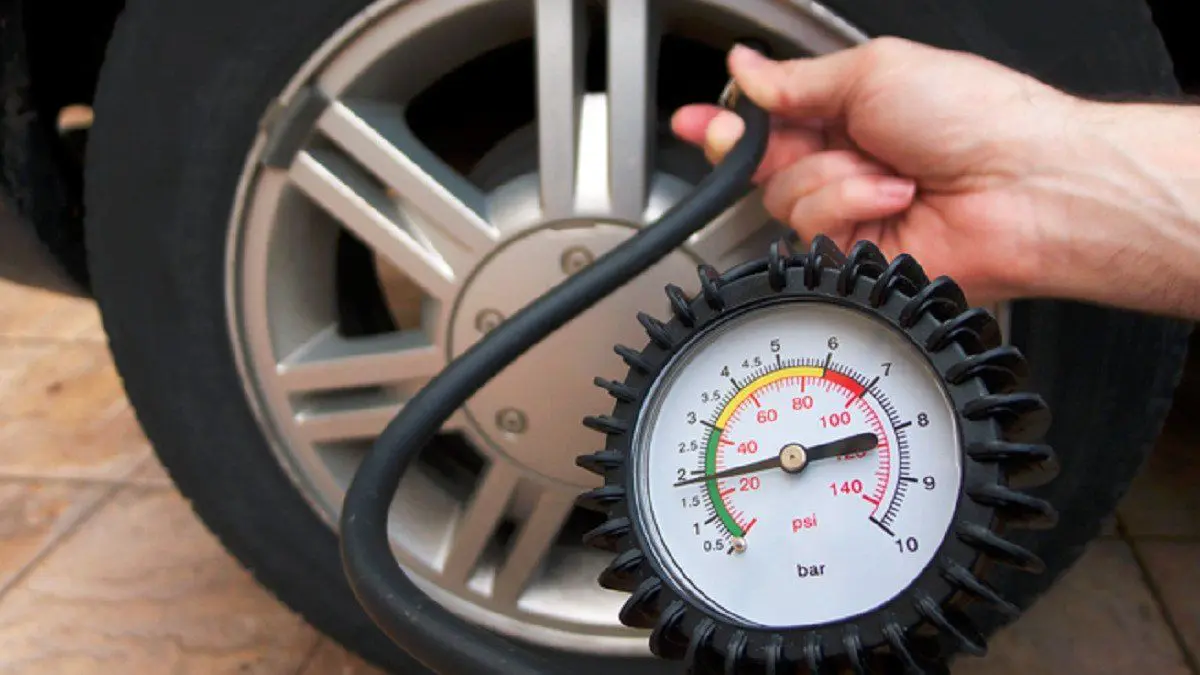
Properly inflated tires reduce the risk of blowouts and improve fuel efficiency.
Secure Loose Items
Inside the RV, secure all items to prevent them from shifting or causing damage during transit.
Check Lights and Brakes
Ensure all brake lights, turn signals, and the RV’s braking system are functioning correctly.
Verify Hitch Connection
Double-check the hitch connection, ensuring it’s secure and locked in place.
Step 4: Plan Your Route
When towing an RV, planning your route is crucial to avoid narrow roads, low bridges, and steep grades. Use GPS systems designed for RV travel or apps that provide RV-friendly routes.
Consider the following when planning your journey:
- Avoid Tight Turns: Some roads may not accommodate the length of your RV and tow vehicle.
- Check Clearance Heights: Ensure overpasses and tunnels can accommodate your RV’s height.
- Plan Fuel Stops: Identify gas stations with space for larger vehicles.
Step 5: Drive Safely and Confidently
Driving with an RV in tow requires a different approach than driving a standard vehicle. Here are some tips for safe towing:
Accelerate and Brake Gently
Sudden acceleration or braking can destabilize the RV, increasing the risk of accidents.
Maintain a Safe Following Distance
Allow extra space between your vehicle and others to compensate for longer stopping distances.
Monitor Your Mirrors
Regularly check your side mirrors to ensure the RV is tracking correctly and to monitor traffic.
Avoid Sudden Maneuvers
Sharp turns or abrupt lane changes can cause the RV to sway or tip.
Use Tow/Haul Mode
If your vehicle is equipped with a tow/haul mode, engage it to optimize performance while towing.
Common Challenges When Towing an RV
Towing an RV can present unique challenges, but being prepared helps you navigate them effectively:
- Swaying: Caused by crosswinds or improper weight distribution. A sway control system can help mitigate this issue.
- Backing Up: Practice reversing with your RV in an empty parking lot to improve your skills.
- Steep Inclines: Use low gears when climbing or descending hills to maintain control.
When to Call for Professional Help

While towing an RV yourself is a viable option, certain situations may require professional assistance:
- Long-Distance Moves: Professional services like Long Distance Towing are ideal for relocating your RV across states.
- Inoperable RVs: If your RV is damaged or cannot be towed conventionally, professionals have the equipment to transport it safely.
- Tight Deadlines: A towing service ensures timely delivery, reducing stress during a move.
Benefits of Choosing Long Distance Towing
Long Distance Towing offers expert RV transport services tailored to your needs.
Why Choose Long Distance Towing?
- Experienced Drivers: Trained professionals with experience handling all types of RVs.
- Specialized Equipment: Ensures safe and secure transport of your RV.
- Nationwide Coverage: Reliable service across all major cities and states.
- Transparent Pricing: No hidden fees, just upfront and honest quotes.
Tips for a Smooth RV Towing Experience
1. Practice Before Your Trip
If you’re new to towing, spend time practicing in a controlled environment to build confidence.
2. Balance the Load
Proper weight distribution is key to preventing sway and improving handling.
3. Stay Within Weight Limits
Overloading your tow vehicle or RV can lead to mechanical issues or accidents.
4. Keep Emergency Supplies
Carry tools, a spare tire, and emergency equipment to handle unexpected situations.
5. Know the Laws
Familiarise yourself with towing regulations in the states you’ll be traveling through, including speed limits and lane restrictions.
Common Mistakes to Avoid
Ignoring Towing Capacity: Exceeding your vehicle’s towing limits can cause damage and compromise safety.
Skipping Maintenance: Failing to inspect your RV or tow vehicle before the trip can lead to breakdowns.
Neglecting Proper Hitch Setup: An improperly secured hitch increases the risk of accidents.
Overlooking RV-Specific Routes: Taking unsuitable roads can result in delays or damage.
Frequently Asked Questions
1. What type of vehicle is best for towing an RV?
A vehicle with sufficient towing capacity, such as a truck or SUV, is ideal for towing RVs. Always check the manufacturer’s guidelines.
2. How do I prevent my RV from swaying while towing?
Proper weight distribution, a sway control system, and avoiding sudden maneuvers can help prevent swaying.
3. Can I hire professionals to transport my RV?
Yes, professional services like Long Distance Towing offer safe and reliable RV transport for long distances or challenging situations.
Conclusion
Towing an RV is a rewarding way to travel, offering flexibility and comfort on the road. By following this comprehensive guide, you can tow your RV safely and confidently.
From selecting the right tow vehicle to planning your route and understanding best practices, every step contributes to a successful journey.
For those who prefer professional assistance, Long Distance Towing provides reliable RV transport services, ensuring your vehicle arrives at its destination safely and on time.
Whether you’re a seasoned RVer or new to the experience, proper preparation and attention to detail make all the difference.