
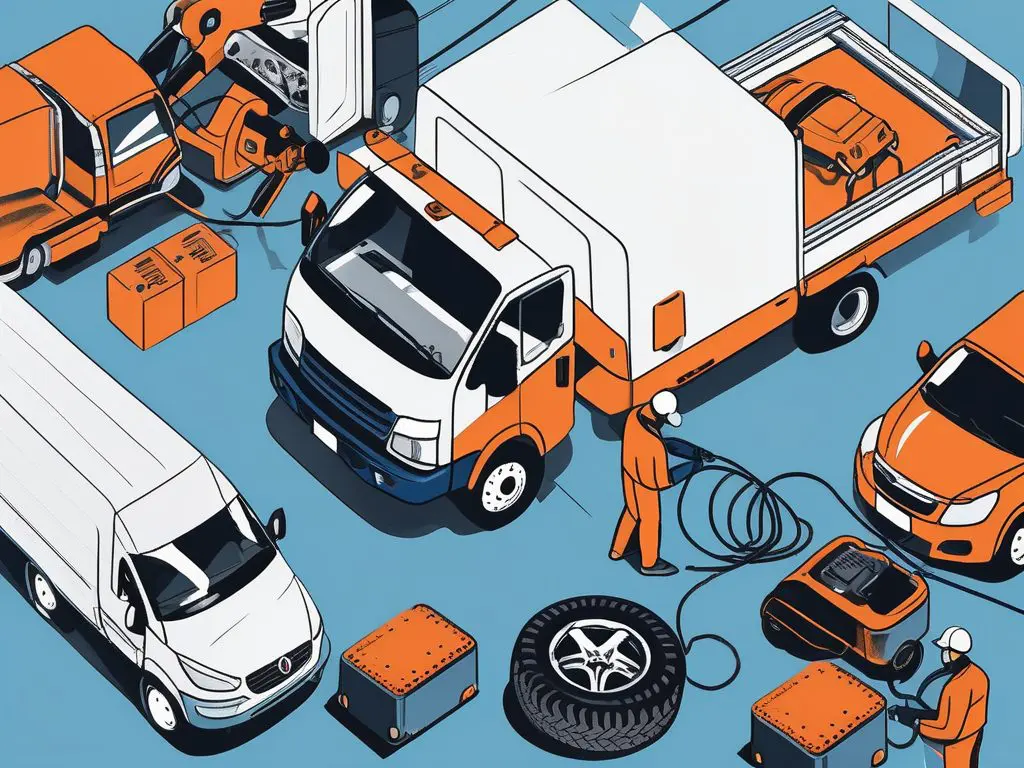
In the transportation industry, the importance of vehicle inspections cannot be overstated. These inspections play a vital role in ensuring the safety, reliability, and compliance of vehicles used for transporting goods and passengers. By thoroughly examining the condition of vehicles before they hit the road, inspections help prevent accidents, minimize breakdowns, and avoid legal penalties. Additionally, they can provide significant economic benefits, saving businesses substantial amounts of money on repair costs and enhancing the lifespan of their vehicles.
Understanding Vehicle Inspections
Before delving into the various aspects of vehicle inspections, it is crucial to have a clear understanding of what they entail. In essence, a vehicle inspection involves a comprehensive assessment of the vehicle’s overall condition, including its mechanical, electrical, and structural components. This detailed examination helps identify any potential issues or safety hazards that may affect the vehicle’s performance during transportation.
What is a Vehicle Inspection?
A vehicle inspection is a systematic evaluation conducted by certified inspectors who possess in-depth knowledge and experience in assessing vehicle safety and compliance standards. These inspections are typically performed using a detailed checklist that covers various key components of the vehicle.
Key Components of a Vehicle Inspection
- Brake System: Inspectors check the condition of brake pads, rotors, lines, and fluid levels to ensure effective braking performance.
- Electrical System: This includes inspection of lights, indicators, batteries, and wiring connections to verify proper functioning.
- Suspension and Steering: Inspections cover components such as shocks, struts, tie rods, and steering systems to ensure stability and control.
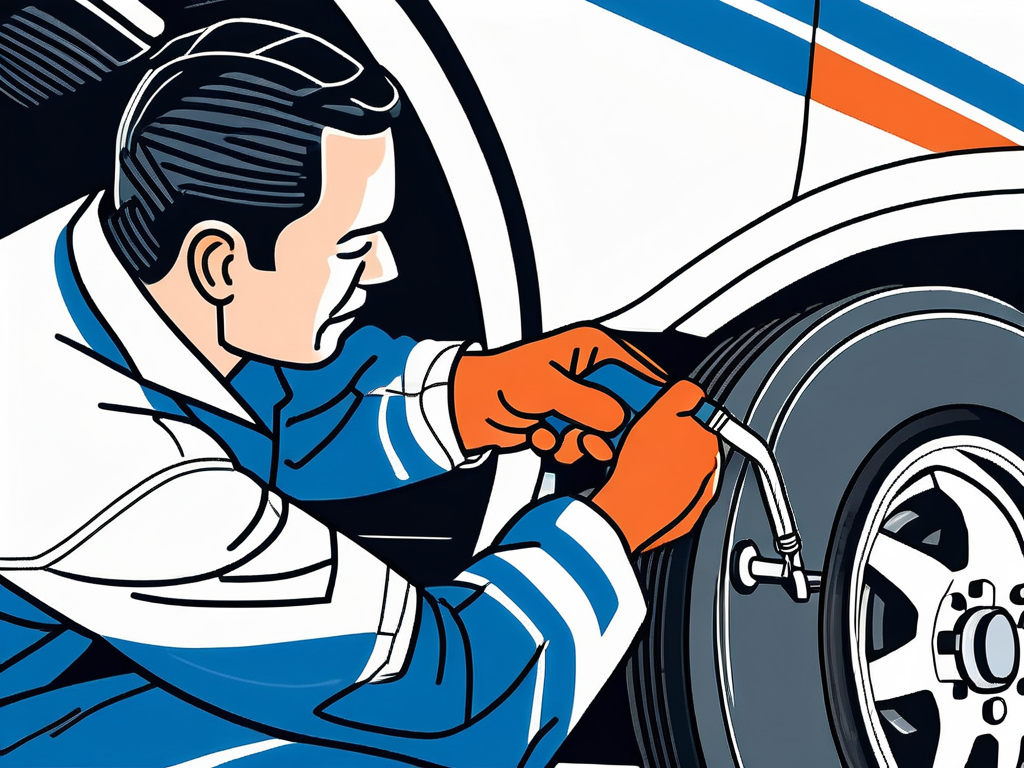
- Tires and Wheels: Inspectors assess tire tread depth, tire pressure, and overall tire condition while also checking wheel alignment.
- Fluid Levels: This involves checking and topping up essential fluids, such as engine oil, coolant, power steering fluid, and brake fluid.
- Exhaust System: Inspections verify the integrity of the exhaust system, checking for leaks and ensuring compliance with emission standards.
Aside from these key components, a vehicle inspection also includes a thorough examination of the vehicle’s body and frame. Inspectors carefully inspect the body for any signs of damage, rust, or previous repairs. They pay close attention to the frame, checking for any signs of bending, cracking, or other structural issues that may compromise the vehicle’s safety.
Furthermore, a comprehensive vehicle inspection involves assessing the interior of the vehicle. Inspectors inspect the seats, seat belts, and airbags to ensure they are in proper working condition. They also check the functionality of the vehicle’s heating, ventilation, and air conditioning systems, as well as the operation of all dashboard controls and gauges.
Additionally, a vehicle inspection may include a detailed examination of the vehicle’s drivetrain components. This includes inspecting the transmission, driveshaft, differential, and axles to ensure they are functioning correctly and free from any excessive wear or damage.
Lastly, a vehicle inspection may involve a test drive to assess the vehicle’s overall performance and handling. Inspectors pay attention to factors such as acceleration, braking, steering responsiveness, and suspension stability during the test drive.
By conducting a thorough inspection of all these components, certified inspectors can provide a comprehensive evaluation of a vehicle’s condition, ensuring that it meets safety and compliance standards. This helps both buyers and sellers make informed decisions regarding the purchase or sale of a vehicle.
The Role of Vehicle Inspections in Safe Transport
Vehicle inspections play a critical role in maintaining safe transport operations. By identifying and addressing potential safety hazards beforehand, inspections help safeguard both drivers and passengers from accidents caused by mechanical failures or defective components.
Moreover, vehicle inspections contribute significantly to environmental sustainability. Regular checks ensure that vehicles are operating efficiently, reducing harmful emissions that contribute to air pollution and climate change. By maintaining optimal performance through inspections, vehicles can minimize their carbon footprint and promote a cleaner, greener environment for all.
Ensuring Roadworthiness
A thorough vehicle inspection ensures that all essential components are in optimal condition, making the vehicle roadworthy. This includes verifying that the brakes function properly, lights are working correctly, and tires have sufficient tread depth for safe driving.
Additionally, inspections play a crucial role in upholding regulatory standards and compliance. By confirming that vehicles meet all required safety and performance criteria, inspections help transportation companies avoid fines and penalties for non-compliance. Adhering to regulations not only ensures safe transport but also maintains the reputation and credibility of the company within the industry.
Preventing Unexpected Breakdowns
Transporting goods or passengers requires reliable vehicles that can endure long distances without unexpected breakdowns. Inspections help detect potential issues before they escalate, reducing the risk of unexpected breakdowns and minimizing disruptions to transportation operations.
Furthermore, vehicle inspections promote cost-effectiveness in the long run. By identifying and addressing minor issues during routine checks, companies can avoid costly repairs that may arise from neglected maintenance. This proactive approach not only saves money but also prolongs the lifespan of vehicles, maximizing their operational efficiency and return on investment.
Legal Implications of Vehicle Inspections
Compliance with transport regulations is paramount in the transportation industry. Failure to meet regulatory requirements can result in severe legal penalties and reputational damage. Vehicle inspections are designed to ensure that vehicles adhere to these regulations, providing businesses with peace of mind and protection against costly legal consequences.
Ensuring compliance with transport regulations is not only a legal obligation but also a moral responsibility for businesses in the transportation sector. By adhering to these regulations, companies demonstrate their commitment to safety, environmental protection, and overall social responsibility. Vehicle inspections play a crucial role in upholding these values by verifying that vehicles meet the necessary standards set by regulatory authorities.
Compliance with Transport Regulations
Vehicle inspections help businesses comply with various transport regulations and guidelines set by regulatory authorities. These regulations may include requirements for vehicle maintenance, safety standards, emission controls, and weight restrictions.
Moreover, adherence to transport regulations not only benefits the business itself but also contributes to the greater good of society. By ensuring that vehicles are well-maintained and meet safety standards, businesses help prevent accidents, reduce harmful emissions, and promote overall road safety. This proactive approach to compliance reflects a commitment to not only legal requirements but also to the well-being of the community at large.
Avoiding Legal Penalties
Failure to comply with transport regulations can lead to significant legal penalties, fines, or even the revocation of operating licenses. By conducting regular inspections and addressing any non-compliance issues promptly, businesses can avoid these costly penalties and maintain a strong regulatory track record.
Maintaining regulatory compliance through thorough vehicle inspections can significantly boost a company’s credibility. For businesses in sectors like New Hampshire auto transport, showcasing a proactive stance on safety and standards helps earn the trust of customers, partners, and regulators. This trust not only reduces legal risk but also supports long-term relationships grounded in dependability and transparency.
Economic Benefits of Vehicle Inspections
Considering the financial implications of vehicle breakdowns and repairs, proactive vehicle inspections provide tangible economic benefits for businesses involved in transportation.
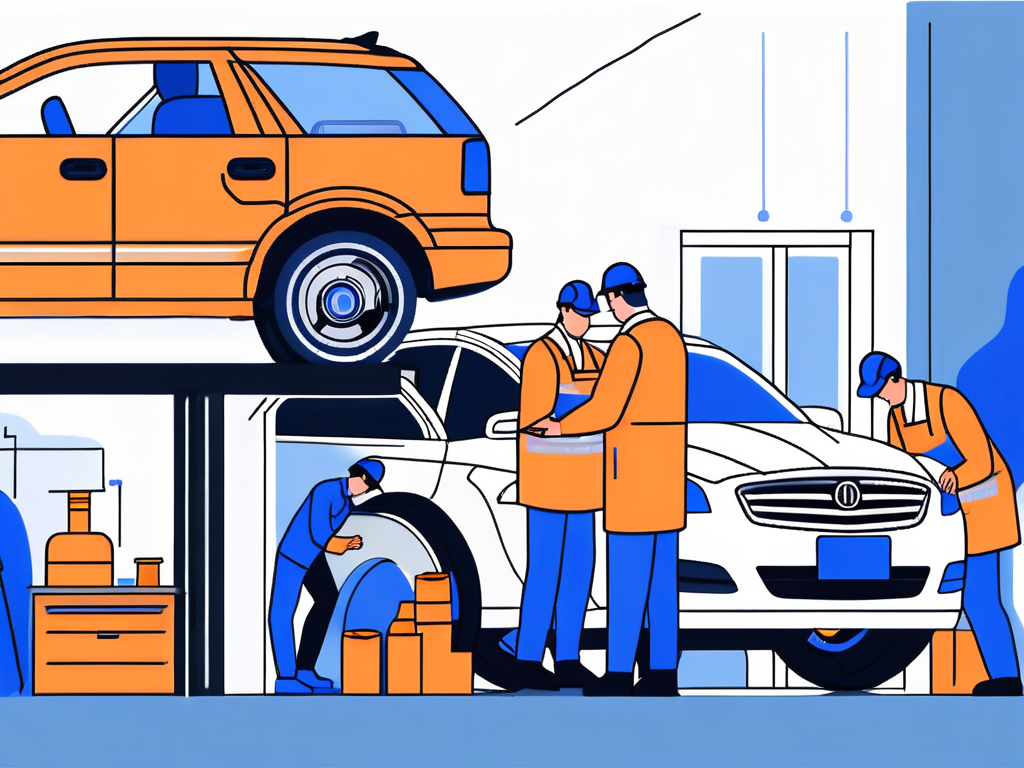
Moreover, vehicle inspections can also have a positive impact on the overall operational efficiency of a business. By ensuring that vehicles are in optimal condition, inspections help minimize unexpected breakdowns that can disrupt schedules and lead to delays in deliveries. This increased reliability can enhance customer satisfaction and loyalty, ultimately translating into improved business performance and profitability.
Reducing Repair Costs
By identifying potential issues before they escalate, inspections help prevent costly breakdowns and reduce the need for major repairs. Regular inspections allow businesses to address minor issues promptly, saving them substantial expenses in the long run.
Enhancing Vehicle Lifespan
Regular inspections contribute to prolonging the lifespan of vehicles through preventive maintenance. By addressing issues early on, businesses can extend the longevity of their fleet, saving money that would otherwise be spent on premature vehicle replacements.
How to Prepare for a Vehicle Inspection
Preparing for a vehicle inspection is essential to ensure a smooth and successful assessment. By following a pre-inspection checklist and selecting a reputable inspector, businesses can maximize the effectiveness of the inspection process and address any issues promptly.
Pre-Inspection Checklist
Prior to the inspection, businesses should conduct a self-assessment using a pre-inspection checklist. This checklist should cover all the key components that will be inspected, allowing businesses to identify and address potential issues in advance.
The pre-inspection checklist typically includes items such as checking the vehicle’s lights, brakes, tires, steering, suspension, and exhaust system. It is important to ensure that all lights are functioning properly, tires have adequate tread depth, brakes are responsive, and the steering and suspension systems are in good condition. Addressing any issues with these components before the inspection can help businesses avoid delays or failures during the assessment.
Finding a Reputable Inspector
Choosing a qualified and reputable inspector is crucial for a thorough and accurate evaluation of the vehicles. Businesses should research and select an inspector or inspection service with a proven track record and appropriate certifications or accreditations.
Reputable inspectors often have extensive experience in conducting vehicle inspections and are knowledgeable about industry standards and regulations. They use specialized tools and equipment to thoroughly assess the condition of the vehicles and provide detailed reports on any findings. Working with a reputable inspector can give businesses confidence in the inspection process and ensure that any issues are identified and addressed effectively.
In conclusion, vehicle inspections are of paramount importance in the transportation industry. They play a significant role in ensuring the safety, reliability, and compliance of vehicles before they embark on transporting goods or passengers. By addressing potential issues, preventing breakdowns, and complying with regulations, inspections provide businesses with economic benefits, protect them from legal penalties, and contribute to safe and efficient transport operations.
Understanding the critical role of vehicle inspections before transport, Long Distance Towing stands as your trusted partner in nationwide auto transport. We ensure every vehicle, from classic cars to those awaiting restoration, is handled with the utmost care and attention to detail. Our network of over 10,000 reliable carriers is ready to provide full-service transportation, ensuring your vehicle’s safety from pickup to delivery. Don’t leave your transport needs to chance. Get A Quote Today and experience the peace of mind that comes with professional and thorough vehicle inspections and transport services.